India
Bishnoi Community’s Faith‑Based Conservation Linked to Greater Khejeri Tree and Wildlife Abundance
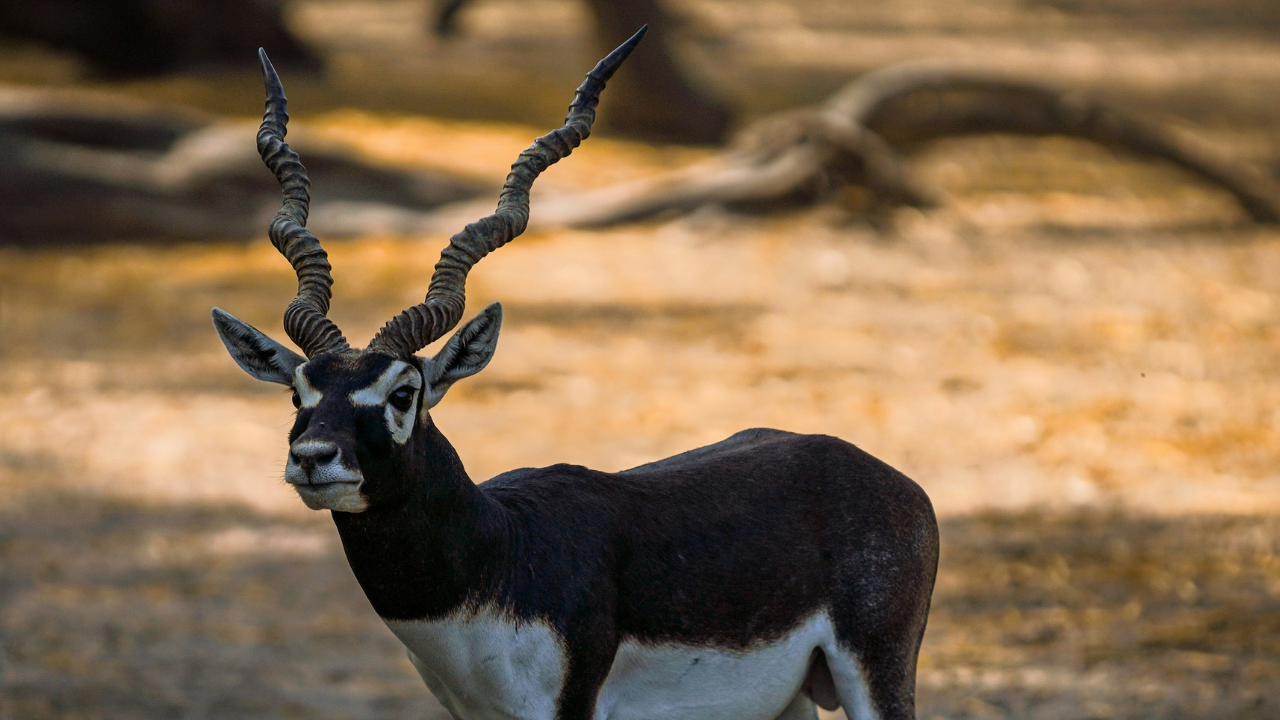
The Bishnoi, a religious group living in the Thar Desert of western India, have a long‑standing tradition of protecting trees and wildlife as part of their faith. Their practices date back to a 15th‑century guru and continue to shape how villagers treat trees, animals and water. One of the key species they safeguard is the Khejeri (Prosopis cineraria), a keystone tree of the region.
A 2014 study published in the Journal of Arid Environments titled “Religious tradition of conservation associated with greater abundance of a keystone tree species in rural Western Rajasthan, India” examined whether the presence of Bishnoi villages correlated with higher Khejeri density and which village characteristics—such as land type, human and livestock population and income—were linked to that abundance. The researchers sought to test the claim that the Bishnoi’s conservation ethic positively affects a keystone species amid changing regional ecology.
The Thar Desert, located in Rajasthan, India’s largest state, faces increasing environmental pressure from human activity. Over the past five decades, large irrigation projects intended to boost agricultural output have altered local ecosystems and livelihoods. While irrigation benefits people economically, it also promotes the spread of invasive plants that threaten the very agriculture the projects were meant to support.
The Khejeri tree is vital to rural life in Rajasthan. It stabilizes soil, recycles nutrients, provides firewood, and supplies fodder for livestock. Many birds, including critically endangered vultures, nest in its branches. However, the tree is threatened by growing human and livestock populations, which increase harvesting of its branches, and by the invasive Prosopis juliflora, which could displace native Khejeri.
The Bishnoi’s commitment to protecting Khejeri stems from their religious teachings. The founder of the faith viewed the tree as essential for people living in a region prone to drought and famine, valuing its resilience in arid conditions and its support for human livelihoods. The community’s dedication was famously demonstrated in 1730 when 363 Bishnoi died refusing to cut down trees that Maharaja Abhay Singh’s men were removing.
Today, Bishnoi conservation practices involve taking only what is needed. Villagers collect Khejeri leaves and pods for food, medicine and fodder, run community animal care centers, monitor deforestation, plant new Khejeri trees to combat desertification, and maintain sacred groves that protect trees, animals and water. A 2022–2023 field survey found that Bishnoi villages contain more natural vegetation and wildlife—particularly Khejeri trees and blackbucks—than other parts of the Thar. Pressures such as deforestation, declining groundwater, mining, poaching and land‑grabbing remain.
Researchers emphasize that while the Bishnoi approach may not be directly transferable to other regions, it demonstrates how shared beliefs and everyday community habits can sustain conservation. Neekee Chaturvedi suggests that active human participation—keeping people as part of the system rather than excluding them—can manage desert biodiversity. She proposes community‑based cultural tourism as a way to share these practices with visitors.
In summary, field evidence shows that Bishnoi villages exhibit greater vegetation and wildlife abundance than surrounding Thar areas, despite ongoing pressures. The community’s value‑based approach contributes significantly to sustainable natural resource management in the region, according to a 2024 study by Amir Sohel and Farhat Naz in Arcadia. Their work highlights the importance of protecting local trees, animals and water as a foundation for broader conservation efforts.
Frequently asked questions
What tree is central to the Bishnoi conservation efforts?
The Khejeri (Prosopis cineraria) tree.
What evidence shows Bishnoi villages have more wildlife?
A 2022–2023 field survey found Bishnoi villages contain more natural vegetation and wildlife, especially Khejeri trees and blackbucks, than other parts of the Thar.
How did the Bishnoi community demonstrate their commitment in 1730?
In 1730, 363 Bishnoi died refusing to cut down trees that Maharaja Abhay Singh’s men were removing.