Technology
xAI’s Grok Bot Cost‑Cutting Revealed by Elon Musk
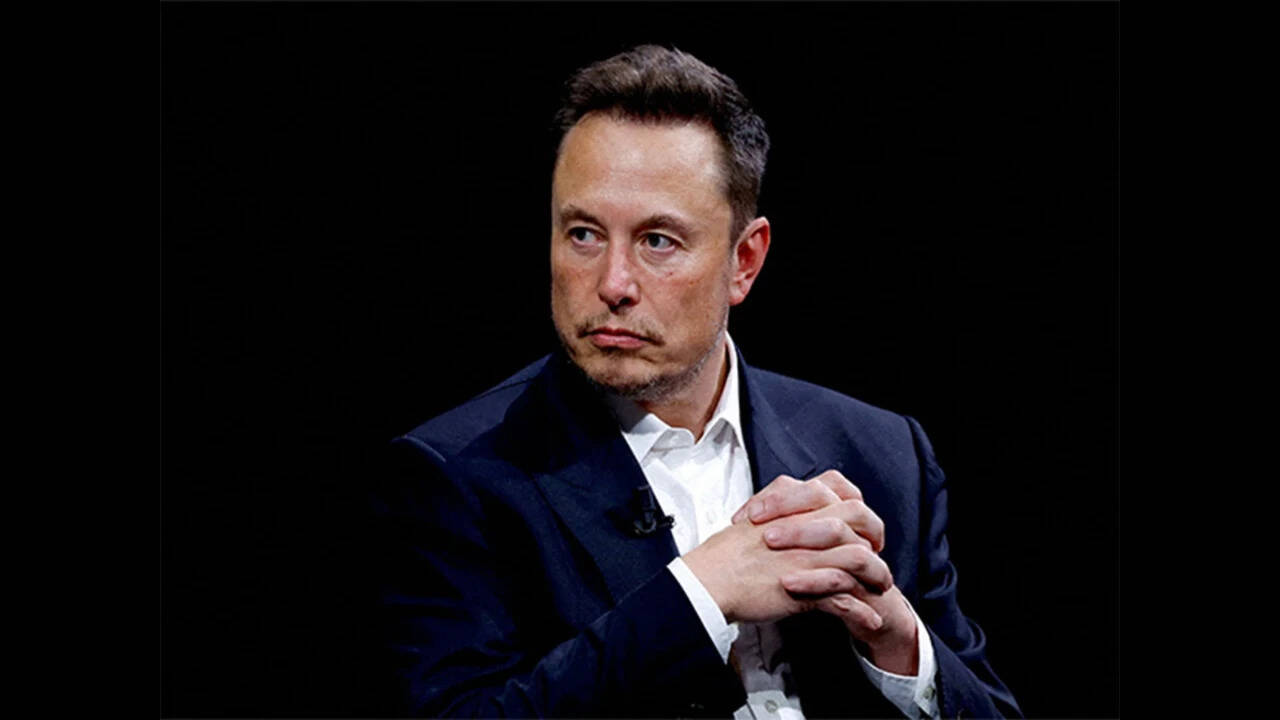
Elon Musk said that xAI has limited the compute allowance for its autonomous agent, Grok Bot, not because of excessive user demand but because the service is draining cash faster than subscription revenue can cover. The comment came after a paying subscriber asked for an early reset of the weekly usage quota, noting that users were exhausting their allocations more quickly than usual. Musk did not offer the typical industry explanation of scaling up to meet traffic or give a timetable for relief. Instead, he pointed to the unit economics, writing, “The cost of serving Grok Bot was unsustainably high relative to revenue.”
Grok Bot differs from standard conversational models by operating as a background agent that navigates the web, synthesizes research, and executes multi‑step workflows in isolated virtual environments. Because it runs continuous reasoning loops and multiple GPU‑intensive tasks, each session uses far more GPU cycles than a single text response. xAI launched the agent in August 2026 and bundled it into existing paid tiers, including a $30‑per‑month SuperGrok subscription and Cursor developer plans, without a dedicated standalone price.
Reports from Teslanorth indicate that Grok Bot reached roughly 800,000 paid weekly active users within two months, a rapid expansion that has amplified the compute deficit rather than spreading fixed costs. The admission adds tension to xAI’s enterprise narrative; the startup recently secured a $200 million deployment contract with the U.S. Department of Defense while seeking additional private capital.
Gartner senior director analyst Will Sommer noted that an AI infrastructure provider would need to earn more than twice the investment on AI token usage to break even, saying, “Every single token that can be monetised would need to earn a margin of over 100% between 2026 and 2030.”
The industry has seen several high‑profile failures: Character.AI filed for Chapter 11 bankruptcy last month after legal challenges and talent losses, and Relay, an AI‑powered workflow automation tool, shut down entirely in August. According to S&P Global Market Intelligence, about 42% of AI initiatives are ultimately abandoned by their corporate parents due to funding shortages, technical hurdles, competition, or scaling difficulties—issues that Musk’s admission highlights as a core problem for AI companies.