India
Cyclone Murasu Forecast Brings Rain‑Related Concerns for Telangana Paddy and Cotton Farmers
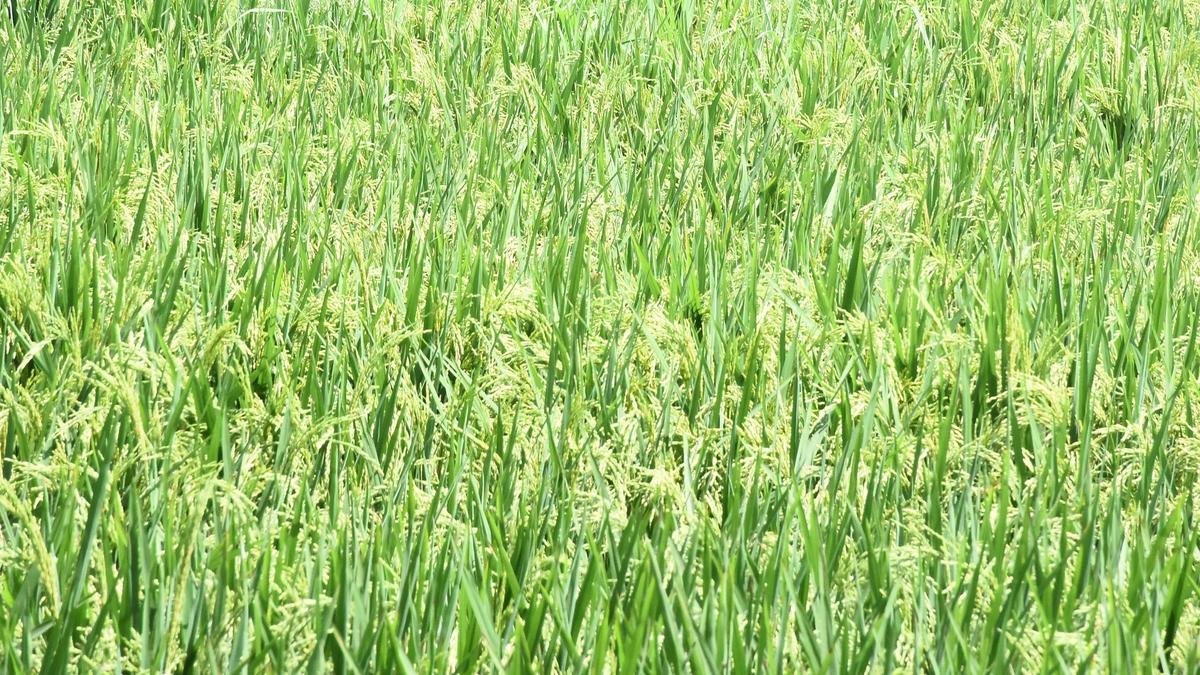
Rain forecasted under cyclonic storm Murasu (war drum) will affect various districts of Telangana from Monday to Wednesday, November 2 to 4, raising concerns among farmers whose paddy and cotton crops are at different growth stages. Farmers say that when rice panicles become soaked and droop, harvesting machines must be hired for longer periods, increasing costs. The soaked produce must be dried, which can lead to weight loss, and labour is needed to channel water away from damaged crops. Those in the pre‑flowering stage may suffer greater damage.
Paddy crops are at various stages—from harvest, near harvest, to pre‑flowering—depending on sowing time. The storm threatens farmers at a time when they are receiving relatively higher prices for harvest, ranging from ₹3,500 to ₹4,500 per quintal of fresh produce, compared with about ₹2,900 (MSP plus ₹500 bonus for fine rice) for dried crop earlier. Cotton crops nearing harvest may also suffer similar damage.
Sankranthi Narasiah, a paddy farmer from Lalapuram village, Konijerla mandal, Khammam, said his and other crops around him are in various stages—from pre‑flowering to panicle formation. "Wind and rain in this stage will cause us great loss," he said. Khammam is one of six districts forecast to receive heavy to very heavy rainfall on Monday, November 2, 2026. The other five districts are Mahabubnagar, Nalgonda, Suryapet, Nagarkurnool and Wanaparthy.
Muralidhar Reddy from Balanagar in Mahabubnagar said rain for standing crops is bad news and will lead to damage. Donthu Rambabu, joint secretary of the Telangana Rythu Sangham, explained that hiring a paddy harvesting machine costs between ₹2,500 and ₹3,000 per hour. "When crops get soaked in rains, panicles may drop into rain water which stagnates in farms. A machine that takes one hour to harvest grains over an acre will take two hours. This means farmers have to spend double the amount. Besides, the grains have to be dried, which leads to loss of some weight," he said. M. Sudhakar Reddy, vice‑president of the Sangham, added that grains that change colour appreciate a lower price.
Agriculture Department officials said they have sounded an alert to farmers and directed officials concerned to provide resources such as tarpaulin sheets to protect harvested grains. As demand for paddy has risen, relatively less farm produce is reaching paddy procurement centres; it is picked up directly from farms by private persons. G. Balamani, marketing officer of Mahabubnagar district, noted that a few farmers have spread the grains on tarpaulin sheets rather than pouring them onto roads for drying.
Frequently asked questions
Which Telangana districts are expected to receive heavy rainfall from Cyclone Murasu?
Khammam, Mahabubnagar, Nalgonda, Suryapet, Nagarkurnool, and Wanaparthy.
How might the forecasted rain affect paddy crops in Telangana?
Rain can soak panicles, causing them to droop; harvesting machines may need longer hours, increasing costs; grains must be dried, leading to weight loss; pre‑flowering crops may suffer greater damage.
What price difference exists between fresh and dried paddy produce in Telangana?
Fresh produce sells at ₹3,500 to ₹4,500 per quintal, while dried crop earlier sells at about ₹2,900 per quintal.