India
Primary School Teachers Push for Inclusion in State Legislative Council Electoral Rolls
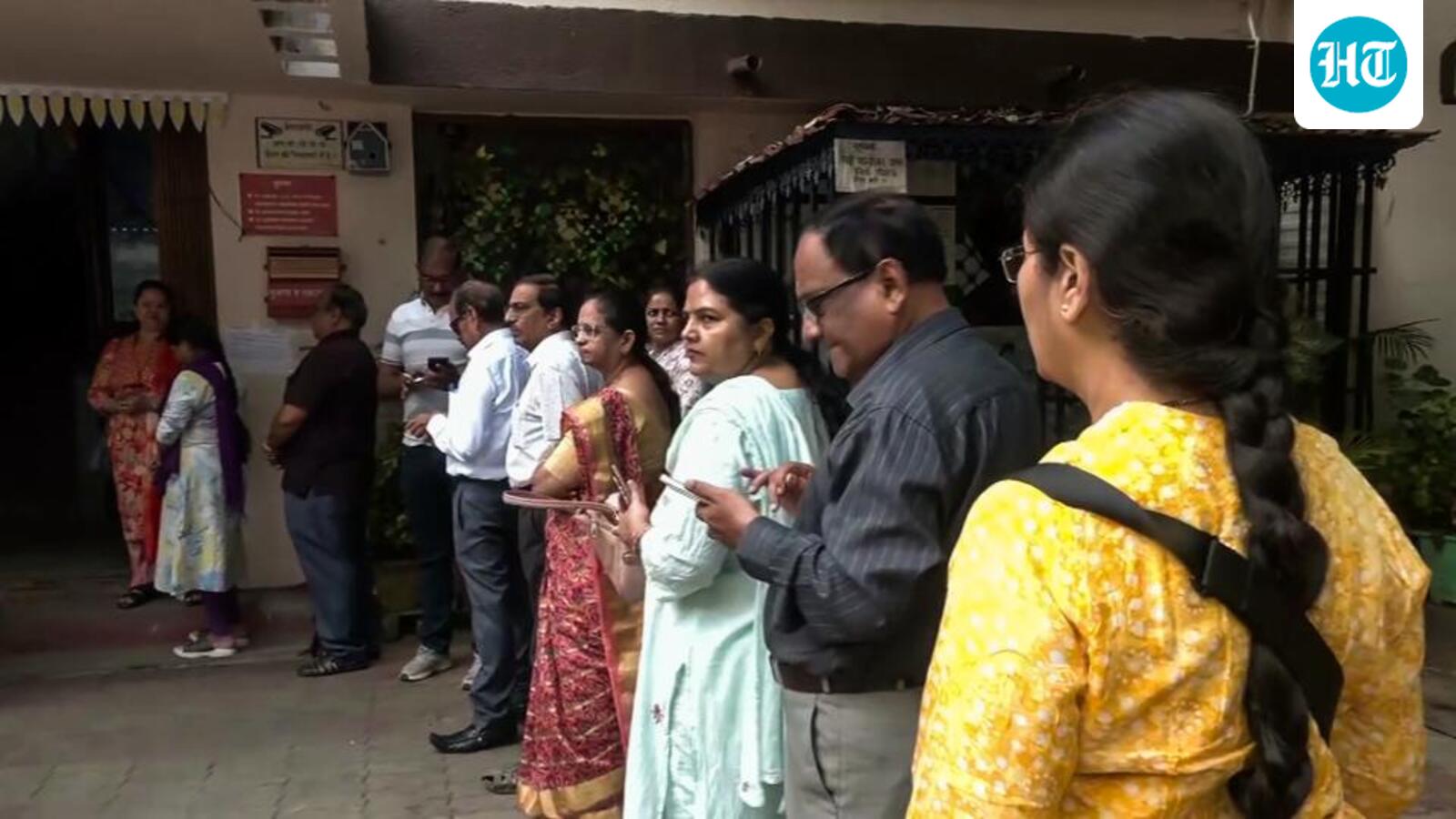
Teacher organisations have revived a long‑standing campaign to secure voting rights in state legislative council elections for more than 2.5 million primary and upper‑school teachers, arguing that current laws disenfranchise the foundational tier of the country’s public education system. Under Article 171 of India’s Constitution and the Representation of the People Act, 1950, voting rights in designated “teachers’ constituencies” of the six states that have legislative councils—Bihar, Uttar Pradesh, Maharashtra, Telangana, Andhra Pradesh and Karnataka—are limited to secondary and higher‑education teachers. Section 27 of the RP Act governs electoral rolls for teachers’ constituencies, restricting eligibility to certain categories of educational institutions and qualifying service years, effectively excluding primary‑level educators.
The demand to include primary and pre‑primary teachers was first raised in Parliament by veteran parliamentarian Era Sezhiyan in February 1964 and has resurfaced repeatedly over the decades. A 2005 parliamentary standing committee recommended expanding eligibility, but the suggestion was not accepted. HR Bhardwaj, then law minister, said the central government rejected the demand due to a lack of consensus among states and the Central Advisory Board of Education. An Election Commission paper on electoral reforms published in December 2010 examined the eligibility threshold for teachers’ constituencies and possible changes to the categories of educational institutions covered. The following year, former MP Raghuvansh Prasad Singh also raised the issue.
Dr Sanjeev Kumar, elected this week as a Rashtriya Janata Dal MLC from the Patna teachers’ constituency, said a definitive assessment must be carried out for state‑wise data on the number of teachers, the categories of institutions covered by the law, qualifying teaching service and the existing electoral rolls. "We’ll raise this issue in the council that those who fulfill the professional conditions but may be excluded because their institutions must be included in the voter list," he said.
A teacher group, Prarambhik Shikshak Sajha Manch, said the eligibility framework should be reviewed so that more teachers at the foundational stages of education can be included in teachers’ constituencies. "If the electorate does not adequately reflect the diversity of the teaching profession, the resulting representation may not capture the concerns of all segments of school education. We need a coordinated exercise to collect parliamentary proceedings, committee reports, government correspondence and Election Commission documents and then include the primary and upper‑primary teachers in the voting list of the teachers’ constituencies," said Ranjan Kumar, former state president and state coordinator of the group.
Rajesh Jha, former member of the Delhi University Academic Council and joint secretary of the Delhi University Teachers’ Association, said teacher representation should move away from a hierarchy based on levels of schooling. "Adapting a pyramidal approach to teacher‑voters needs to be replaced by the concentric approach, suitable as per the essence of the teaching profession," he said, noting that primary school teachers had higher representation of Dalit, tribal, OBC and economically weaker backgrounds.
An Election Commission of India official said the poll panel had no role in the exercise and no role in deciding voters’ eligibility criteria.
Frequently asked questions
Which states have legislative councils that include teachers’ constituencies?
Bihar, Uttar Pradesh, Maharashtra, Telangana, Andhra Pradesh and Karnataka.
What does Section 27 of the Representation of the People Act restrict?
It restricts eligibility to certain categories of educational institutions and qualifying service years, effectively excluding primary‑level educators.