India
Kolkata Durga Puja Stampede Highlights Need for Better Crowd Planning
By Manoj Sharma
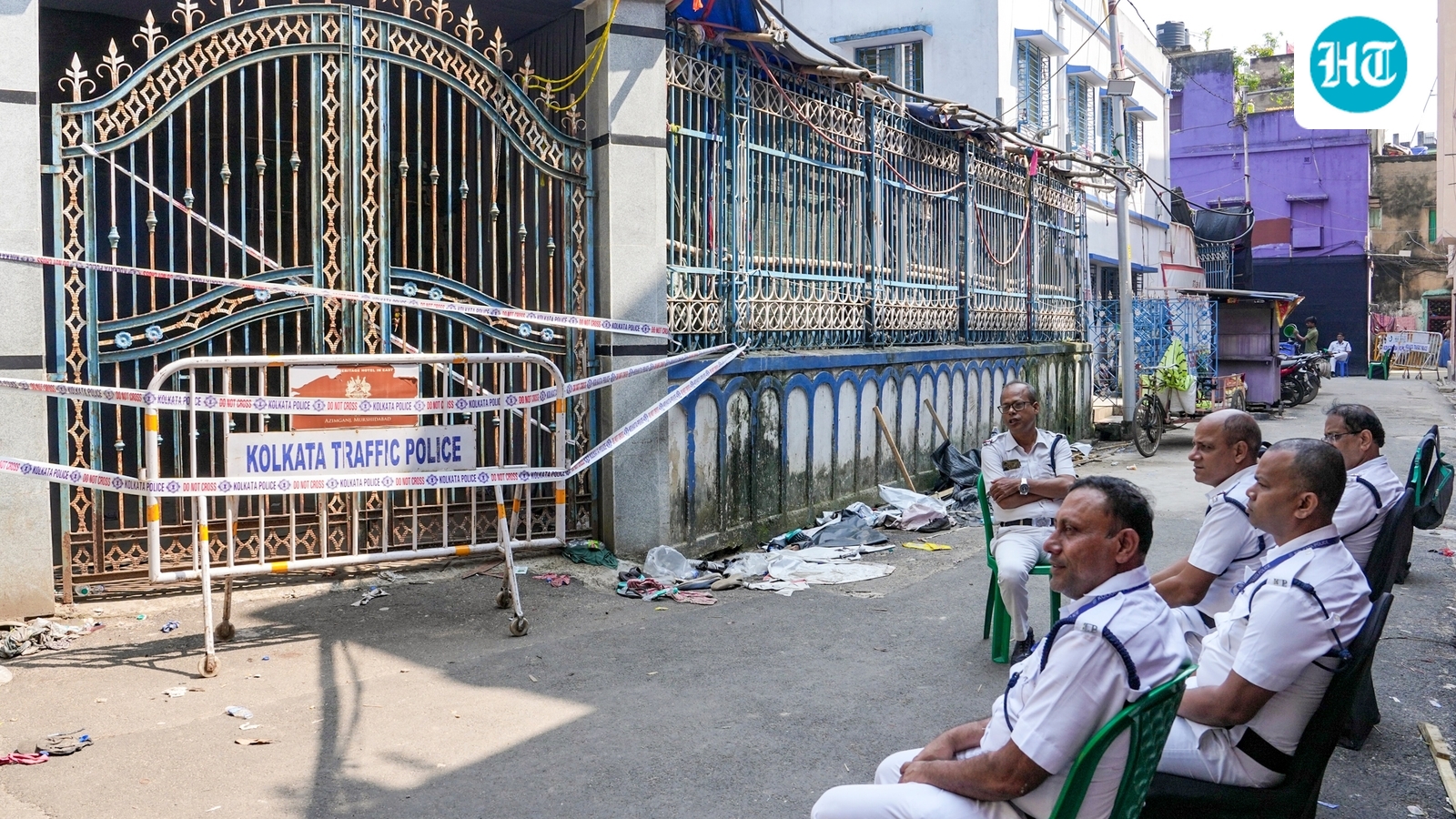
On the evening of October 17, 2024, during the Saptami celebrations of Durga Puja in north Kolkata, a narrow lane leading to the Chorbagan Sarbojanin puja became overcrowded. By 7:40 p.m., the lane was packed as rain began to fall. People outside sought shelter while those inside hesitated to step into the downpour, creating opposing flows that jammed the narrow exit. A loudspeaker warned that the pandal structure might collapse, prompting a panic that turned into a crush. Nineteen people died, including a seven‑year‑old girl who had come with her family to view the pandals.
The incident is not isolated. In 2023, a crush at the Maha Kumbh in Prayagraj killed 37 people. In 2024, 11 people died outside Bengaluru’s M Chinnaswamy Stadium during a cricket‑victory celebration, and 41 people died at a rally in Karur, Tamil Nadu.
India’s rapidly densifying cities force large crowds into streets, squares and festival routes that were designed for far fewer people. Social media can turn religious festivals, political rallies, consumer expos and concerts into sudden mass gatherings, while the physical layout of the city rarely changes.
Former Haryana police chief OP Singh, author of *When the Crowd Holds the Camera*, describes a crowd as “our most predictable disaster.” He notes that police plans are often prepared a week in advance, but the lane was never designed for fifty thousand visitors. The disaster plan covers flood and fire, but on the night a few constables are asked to hold back physics.
The National Crime Records Bureau recorded 147 deaths in stampedes across India in 2024. Professor Ashish Verma of the Indian Institute of Science says crowd disasters occur almost once a month on average. He argues that authorities treat crowd management as an administrative task handled by police and security using kinetic force, and that the term “stampede” places blame on the people caught in a crush.
Kolkata police officer Monika Vij, a geography professor at Miranda House, Delhi, uses remote sensing and GIS to map pressure points at pilgrimage sites. She says planners often miscalculate lane width, failing to account for parked vehicles, pandal structures, hawkers and food stalls. She stresses that carrying capacity and pressure points must be worked out in advance and that the community should be involved in management.
Architect Dikshu Kukreja of CP Kukreja Architects notes that master plans and street designs rarely consider the periodic crowding of particular places. Safety depends on the entire pedestrian network, including approach roads, junctions, exits and alternative routes.
Verma says people need to be channelled into orderly, preferably single‑file movement. A barricade cannot calm a crowd that has already formed. Singh adds that what protects people at night is built months earlier.
Bengaluru’s Chinnaswamy Stadium, which can hold about 35,000 people, saw between 200,000 and 300,000 people gather for a Royal Challengers Bengaluru victory celebration. A commission led by Justice Michael D’Cunha found that the event had no prior permission, the gates opened directly onto public footpaths, and there were no holding areas. Of the 515 personnel assigned, only 79 were posted outside the gates. The commission blamed organisers and police for poor entry regulation, reckless announcements and delayed opening of exit gates.
Atul Rai, chief executive of Gurugram‑based AI firm Staqu Technologies, says its software tracks crowd density, bottlenecks and unusual directional movement in real time, and automatically alerts control rooms before overcrowding reaches a critical level. He notes that while technology provides real‑time information, an alert is useless if nobody acts on it.
Vij says satellite imagery and GIS can identify narrow lanes, obstructions and potential holding areas before an event. Singh argues that we can change how people move through a lane by knowing the usable space: where routes narrow, which exits lead to open ground and where people can wait without blocking the street. Organisers should work out the expected crowd, the number of exits and the time the site takes to empty.
Kukreja says density alone is not the problem; proper infrastructure and well‑designed public spaces can strengthen urban vitality. Cities need to plan for collective gatherings with the same seriousness given to transport or utilities.
The incident underscores the need for pre‑event planning, community involvement and real‑time monitoring to ensure that festival crowds have a safe way home.
Frequently asked questions
How many people died in the Kolkata Durga Puja stampede?
Nineteen people died, including a seven‑year‑old girl.
What caused the crowd crush during the Durga Puja celebrations?
The lane was packed at 7:40 p.m. as rain fell, opposing flows jammed the narrow exit, and a loudspeaker warning about a possible collapse triggered panic, causing a crush.
What other recent stampede incidents are mentioned in the article?
The article references a 2023 crush at the Maha Kumbh in Prayagraj that killed 37 people, a 2024 incident at Bengaluru’s M Chinnaswamy Stadium that killed 11 people, and a 2024 rally in Karur, Tamil Nadu that killed 41 people.