India
LPG Restrictions and High Pipeline Costs Leave Remote Indian Households Without Affordable Gas
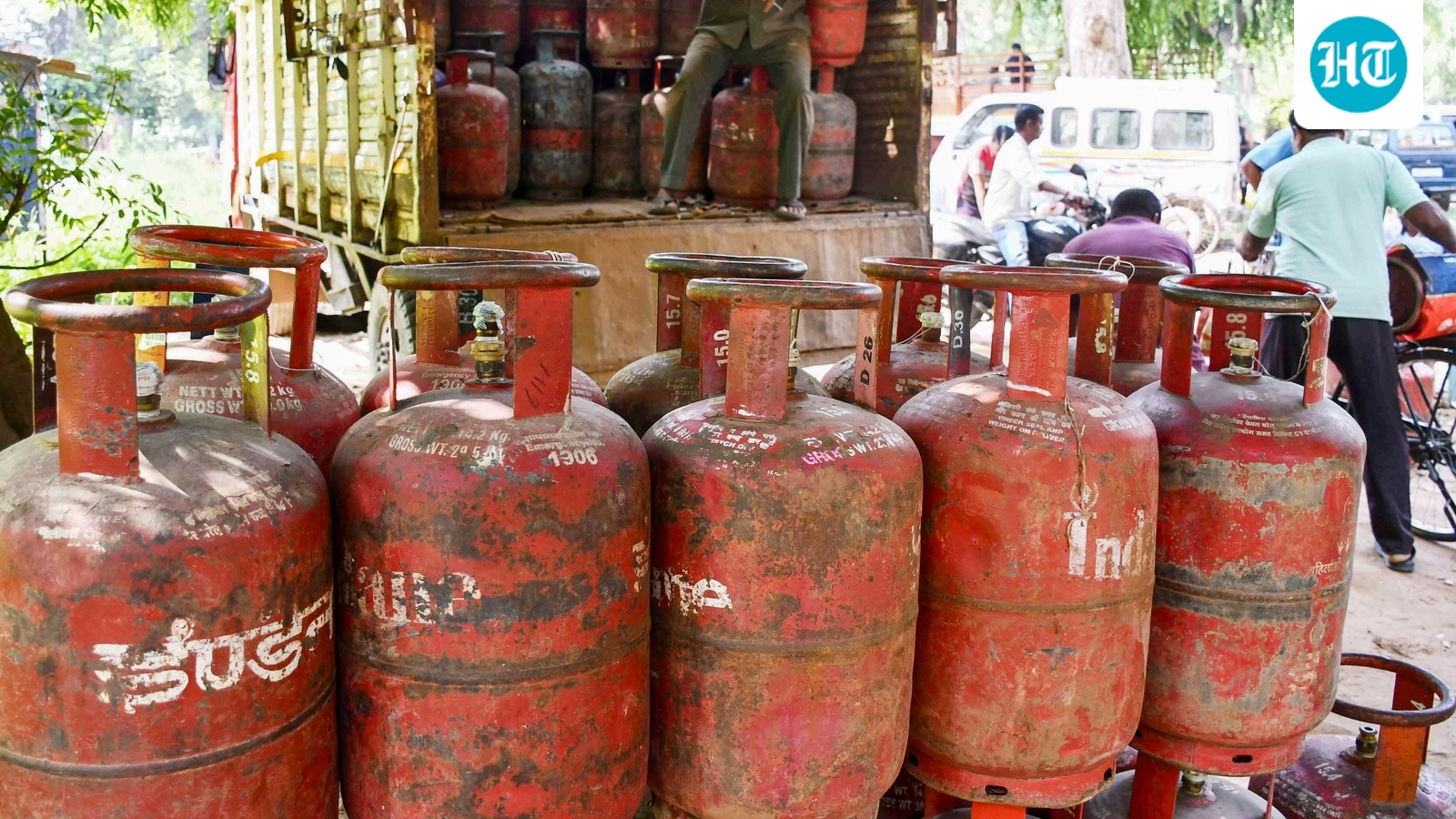
State‑run gas agencies have stopped issuing new domestic liquefied petroleum gas (LPG) connections in certain areas since March, while piped natural gas (PNG) suppliers often find it cheaper to pay penalties than to lay pipelines for last‑mile connections. The restriction has made it difficult for households that cannot access a PNG connection even though they live in areas covered by a city gas distribution (CGD) licence. CGD companies often do not extend pipelines to remote pockets within their authorised geographical areas because of the high cost of providing last‑mile connectivity, leaving some households dependent on more expensive 5‑kg and 10‑kg LPG cylinders. Some consumers also buy domestic cylinders from the black market. Distributors have been instructed not to issue new domestic LPG connections, which come with a 14.2‑kg cylinder, in areas where PNG is available or being made available. Restrictions also apply to refills for existing connections in some such areas, even where households have not obtained individual PNG connections.
A parliamentary panel highlighted the problem in its report on “Supply and Distribution of Natural Gas – Challenges and Prospects”, presented in August. The petroleum ministry explained that CGD companies bid for licences to develop networks in specified geographical areas, committing to provide a certain number of PNG connections and establish a specified number of compressed natural gas (CNG) stations. Companies that fail to meet their targets face penalties determined by the Petroleum and Natural Gas Regulatory Board (PNGRB). The ministry said it had asked the regulator to impose penalties on CGD companies for failing to meet their targets, noting that some companies are willing to pay the penalty because the cost of providing a pipe natural gas connection is higher.
The petroleum ministry, PNGRB and state‑run energy companies, including Indian Oil Corporation, Bharat Petroleum Corporation, Hindustan Petroleum Corporation and GAIL India, did not respond to email queries. In a written reply to the Lok Sabha on 2 August 2021, then petroleum minister Hardeep Singh Puri said penalties totalling ₹21.8 crore had been imposed on several CGD entities, including GAIL Gas Ltd, Aavantika Gas Ltd, Maharashtra Natural Gas Ltd, Siti Energy Ltd and Sanwariya Gas Ltd, for various violations. A PNGRB presentation by its monitoring division in April 2026 showed that penalties totalling ₹34.31 crore had been imposed in 20 geographical areas for shortfalls in minimum work programme targets for domestic PNG connections and pipeline infrastructure.
Experts say the penalties are too small to incentivise companies to expand networks into commercially unviable areas, given the scale of the country’s ambitions for PNG and CNG infrastructure. Under the minimum work programme, authorised entities are required to provide approximately 12.6 crore domestic PNG connections and establish 18,336 CNG stations by 2034. As of 31 January 2026, companies had provided around 1.63 crore domestic PNG connections and established 8,616 CNG stations.
Frequently asked questions
Why are new LPG connections not being issued in areas where PNG is available?
Distributors have been instructed not to issue new domestic LPG connections in areas where PNG is available or being made available, and restrictions also apply to refills for existing connections in some such areas.
What penalties have been imposed on CGD companies for failing to meet PNG connection targets?
Penalties totalling ₹21.8 crore were imposed on several CGD entities in 2021, and ₹34.31 crore were imposed in 20 geographical areas in 2026 for shortfalls in minimum work programme targets for domestic PNG connections and pipeline infrastructure.
How many domestic PNG connections and CNG stations have been established by 31 January 2026 compared to the targets?
As of 31 January 2026, companies had provided around 1.63 crore domestic PNG connections and established 8,616 CNG stations, while the minimum work programme requires approximately 12.6 crore domestic PNG connections and 18,336 CNG stations by 2034.