Technology
Tesla's Driverless Cybercab Faces Federal Safety Probe Over Missing Controls
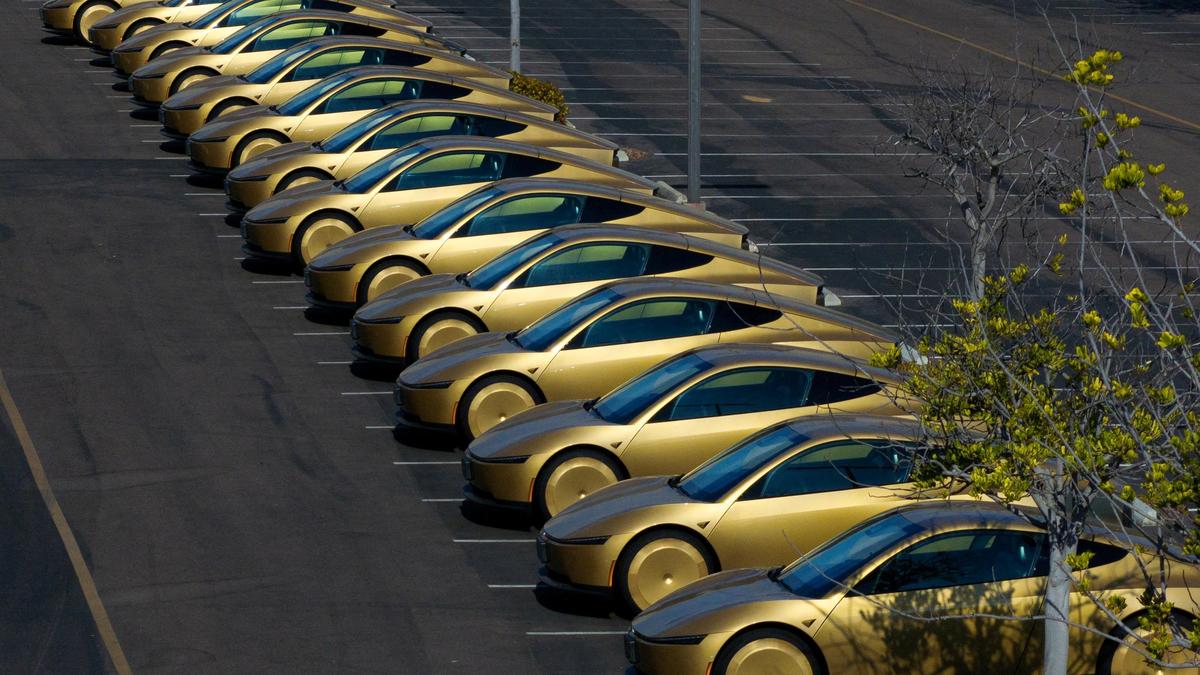
Tesla began operating its new electric robotaxi service, the Cybercab, in select areas of Austin, Texas, on September 3, 2026. The vehicle's distinctive gold exterior and futuristic design have drawn attention, but its sparse interior—lacking steering wheels or pedals—has raised concerns about passenger safety and the ability to intervene during emergencies.
The Cybercab seats two passengers and features upward-opening 'butterfly' doors, giving it a design that differs sharply from the camera-heavy vehicles used by competitor Waymo. Tesla CEO Elon Musk described the gold color scheme as representing a 'literal' golden age of transportation. He said the vehicle was engineered for 'maximally efficient autonomous operation,' and defended the absence of pedals by noting it eliminates the need for a complex hydraulic braking system and reduces the plumbing required throughout the vehicle. Whether these design decisions satisfy regulatory safety standards remains to be determined.
Musk characterized the Cybercab as a 'super comfortable lounge on wheels with a great TV and epic sound,' adding that planned Starlink integration would let riders stream 4K video during trips. The touchscreen interface includes controls for lowering windows, and an interior camera monitors the cabin. A promotional video released by Tesla depicted passengers sleeping, watching films, playing games, tutoring children, holding pets, and taking business calls while riding. Frequent users benefit from saved climate and entertainment preferences that carry over to future rides. Children under 13 are barred from riding alone in the vehicle.
For non-emergency stops, riders can use a 'Pull Over' option on the touchscreen or an overhead 'STOP' button. In emergencies, pulling the door lever activates a mechanical release. The vehicle is designed to pull over gradually rather than brake abruptly, depending on surrounding conditions, and passengers can contact Tesla support through an onboard communication system.
Regulatory status remains uncertain. The National Highway Traffic Safety Administration (NHTSA), which oversees vehicle safety standards in the U.S., allows manufacturers to self-certify compliance. The agency confirmed it has launched an investigation into whether Tesla's self-certification of the Cybercab meets Federal Motor Vehicle Safety Standards (FMVSS). The NHTSA noted that current rules remain in effect even as it reviews potential updates to standards covering brake pedals, windshield wipers, lighting, and mirrors to accommodate advances in autonomous vehicle technology.
Separately, the NHTSA is reviewing Tesla's Full Self-Driving (FSD) system, which is installed in more than three million vehicles, following reports that impaired camera performance in poor weather may have contributed to accidents. In July, the agency issued a broader caution about autonomous vehicles interfering with emergency operations, citing cases where such vehicles entered emergency scenes, blocked ambulances and fire trucks, and failed to respond appropriately to flashing lights, fire, or traffic cones. The agency stated plainly that an autonomous vehicle unable to safely interact with first responders poses a danger to the public.
The Cybercab is not Tesla's first robotaxi venture. The company already operates self-driving Model Y vehicles in Tampa and Miami, Florida, as well as Austin, Dallas, and Houston, Texas. The Cybercab, however, is currently limited to specific zones within Austin.
Robotaxis more broadly have been promoted as offering safety benefits for women, people with communication difficulties, and other vulnerable riders, along with potentially lower accident rates compared to human drivers by removing risks like fatigue or impaired driving. Advocates also highlight accessibility gains, noting complaints that human drivers sometimes refuse rides to passengers with disabilities, medical conditions, wheelchairs, or service animals. Tesla's own promotional material for the Cybercab showed wheelchair and crutch users storing their mobility aids in the trunk, though it did not address how a passenger without full mobility could enter the vehicle unassisted once their equipment was stored away.
Despite these advantages, robotaxis have shown vulnerabilities in unpredictable situations. Social media footage has captured instances of autonomous taxis becoming stuck when blocked by individuals standing in their path, leaving passengers anxious inside. There have also been documented cases of minor collisions and vehicles entering restricted or protected areas.