World
Britain Reluctant to Include Slavery Reparations in Commonwealth Summit Agenda
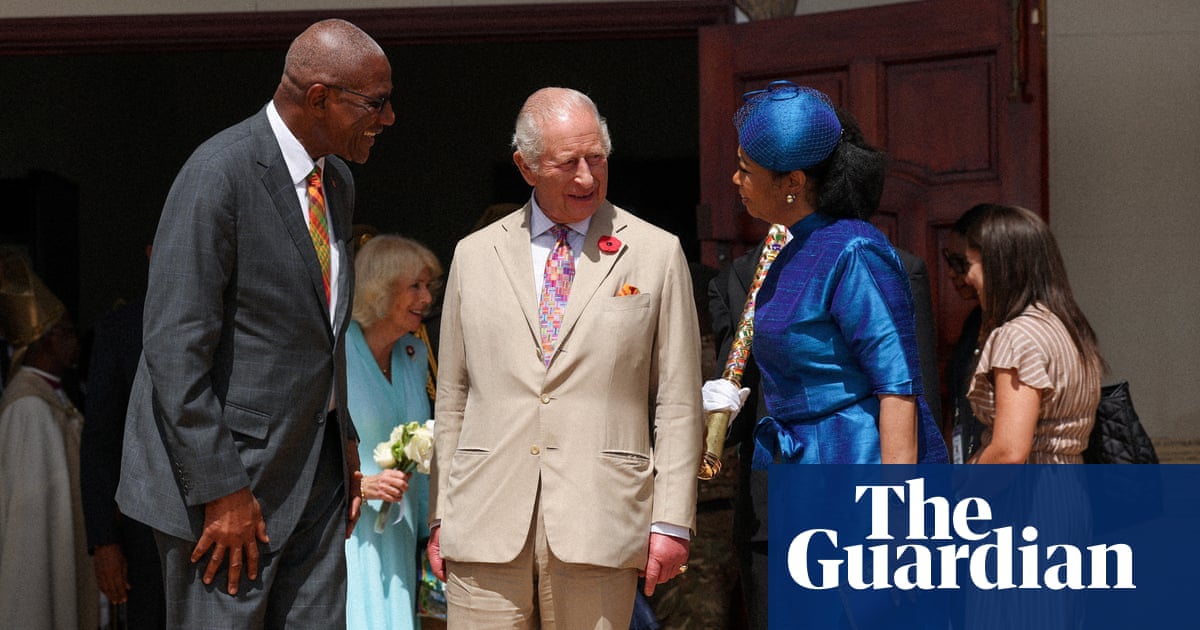
British officials initially insisted that discussions of reparations for slavery should not be on the agenda of the Commonwealth leaders’ summit in Antigua and Barbuda, and warned that Prime Minister Andy Burnham would not attend if the subject was formally included. Ralph Gonsalves, former prime minister of St Vincent and the Grenadines and senior figure in the reparatory justice movement Repair Campaign, welcomed Britain’s decision to enter structured dialogue on reparations but said the UK had come “kicking and screaming” to the conversation. The summit, which begins on Sunday, does not list slavery reparations on its official agenda. Its stated priorities include trade, climate resilience, finance, sustainable debt, democracy and investment in opportunities for young people. Gonsalves told the Guardian that British officials, joined by Canadian officials, raised the prospect that the UK prime minister would not attend if the issue was on the agenda and circulated a false claim that India did not want it on the agenda, despite India’s support for the UN General Assembly resolution on March 25, 2026. He said the relentless campaign by Caribbean nations has propelled reparatory justice to the heart of the political conversation at the meeting. Gonsalves added that the danger of not putting it formally on the agenda is that it would still be raised in private retreats. He said the British government is “coming, kicking and screaming, to the table of structured dialogue.” No immediate comment came from the British government. Prof Sir Hilary Beckles, chair of the Caribbean Community (Caricom) Reparations Commission, described the meeting as “the Chogm of reparations” and said reparatory justice was the number one item for the Caribbean. On Friday, Prime Minister Burnham agreed to structured dialogue and to consider an apology, a shift that Caribbean governments and campaigners welcomed. Guyana’s president, Irfaan Ali, called for a Commonwealth subcommittee to work out the details of the dialogue over the next six to 12 months and urged the talks to move beyond pricing the indignity of slavery to addressing its developmental consequences. Barbados’s prime minister, Mia Mottley, thanked Burnham for “breaking new ground” but said the two sides remain divided on reparations, noting areas where agreement could be reached such as an apology, investment in health and education, tackling systemic poverty and inequality, and fairer debt terms. The Bahamas prime minister, Philip Davis, said the talks were not simply about historical remembrance but about the enduring consequences of slavery and the importance of justice, acknowledgment and meaningful redress. The summit opens on Sunday, the 45th anniversary of Antigua and Barbuda’s independence from British colonial rule. King Charles is indicated to not follow Burnham and offer a full apology. Protesters will greet King Charles and Burnham as they travel through Antigua’s capital, St John’s, to attend Chogm events, with calls for an apology and reparations. On Sunday, Kemi Badenoch told broadcasters that an apology for Britain’s role in the transatlantic slave trade would be a “navel‑gazing distraction”, describing slavery as an evil “in which people from every continent and region participated”. Gonsalves said he would like to discuss how reparatory justice could help heal some of the fractures arising from Britain’s multicultural and ethnic tensions.