India
Ladakh Traders Criticise Sonam Wangchuk’s Push for Dry Union Territory and Question Wine Brand Licence
By HT News Desk
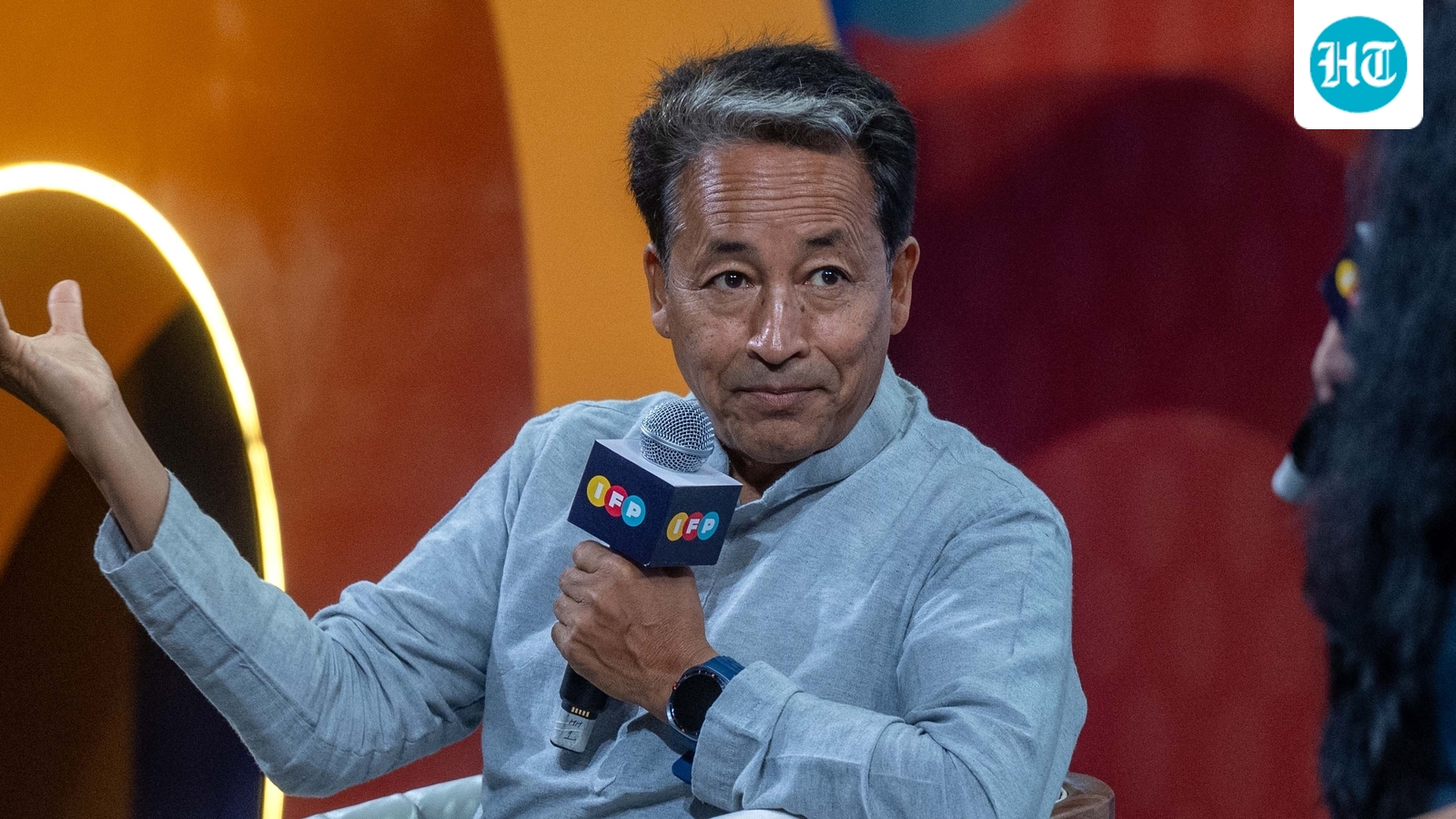
Ladakh liquor traders have criticised climate activist Sonam Wangchuk for demanding a dry Union Territory while other social issues remain unaddressed. The All Ladakh Liquor Traders Association questioned Wangchuk’s stance on alcohol sales and raised doubts about the licence of his home‑grown apple wine brand, ‘Ule Topo’. The Association asked whether the brand had the required government licence and why the administration had not taken action. Wangchuk has opposed the new Excise Policy 2026‑27, introduced on 1 June 2026, which proposed increasing the number of retail liquor outlets in Ladakh from two to 20. At a press conference on Saturday, a representative of the Association accused Wangchuk of taking different positions on alcohol consumption. He questioned Wangchuk’s demand to make Ladakh a dry region while traditional alcoholic drinks such as chang had also been spoken about positively. The representative asked why liquor was being targeted for a ban when other issues, such as drug use, smoking and meat consumption, were not being addressed in the same way. The Association also questioned why the administration had not taken action over the sale of ‘Ule Topo’ if the product did not have the necessary licence. Accusing Wangchuk of selectively highlighting issues, the representative urged him not to interfere in the livelihoods of liquor traders. He said the Association would support a complete prohibition if the same standards were applied consistently to other activities, including meat consumption, smoking and drug use.
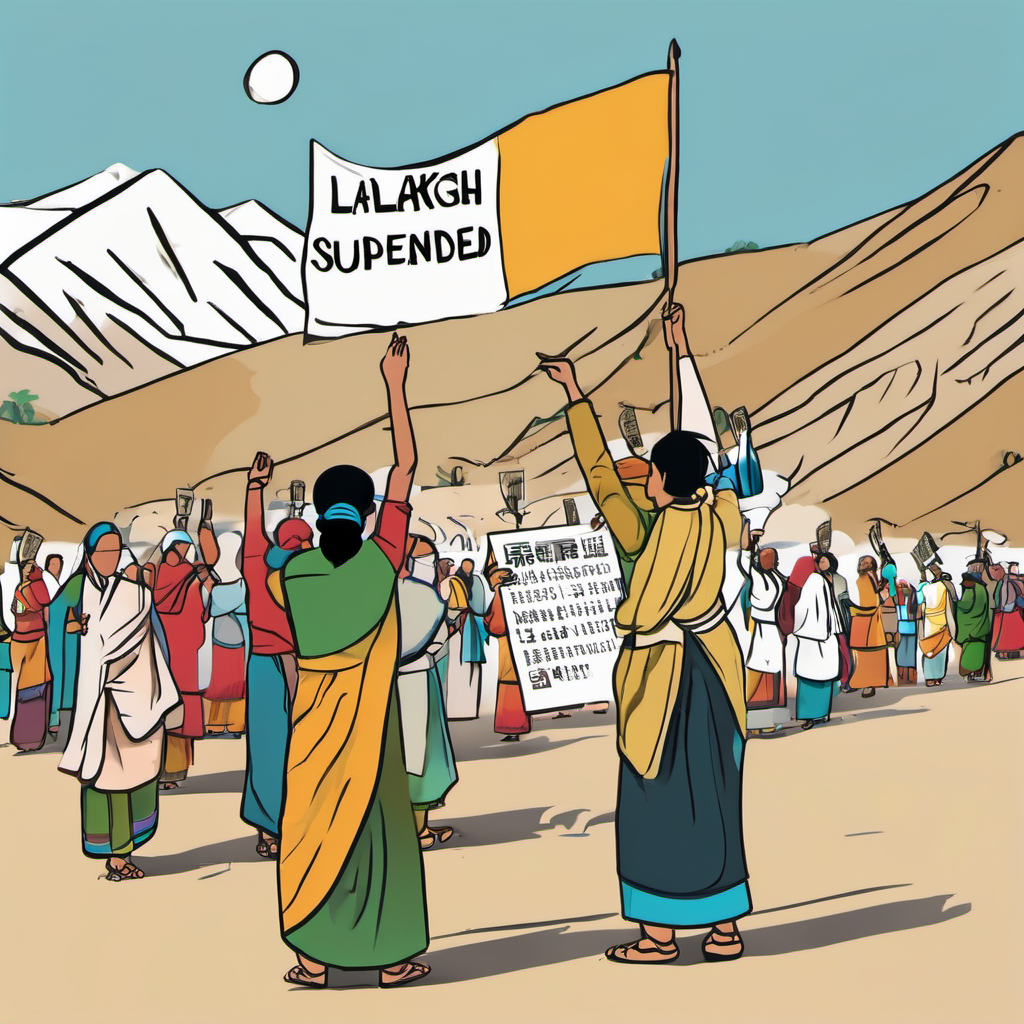
The press conference came a day after protests by women’s organisations against Ladakh’s liquor policy were suspended. Four organisations – the Ladakh Buddhist Association Women Wing, Anjuman‑e‑Imamia Women Wing, Anjuman Moin‑ul‑Islam Women Wing and Christian Community Women Wing – had demanded a complete rollback of the new policy and for Ladakh to be declared a dry Union Territory. They raised concerns over the opening of new liquor shops and the issue of bar licences, saying it could affect young people, society and Ladakh’s cultural and religious values. On 30 October, Wangchuk announced that the women’s groups had suspended their protest after the administration agreed to their demands in principle and sought a week’s time to put the agreement in writing. The decision followed a letter issued by the UT administration’s Home Department on 29 October. The groups said they had temporarily suspended their dharna, which was planned from 29 October to 5 November, to give the administration time to fulfil its promise.
The liquor policy has also led to a disagreement between Wangchuk and the Ladakh administration. On 28 October, the administration rejected his claims that liquor shops and bars were being opened in every neighbourhood and near schools. It called his statements “false”, “baseless” and “totally imaginary”. At a press conference on 22 October, Wangchuk had alleged that the administration was promoting alcohol in Ladakh and opening bars in residential areas and near schools despite objections from residents. In response, the administration said the new Excise Policy 2026‑27, introduced on 1 June, was withdrawn on 26 August after receiving feedback from residents and social organisations. The previous Excise Policy 2025‑26 was brought back and remains in force. Under the old policy, two liquor shops were allowed in Leh, in Ward No. 4 and Ward No. 6. However, the administration said only one shop, in Ward No. 6, was operational after an auction on 14 October. No bid was received for the shop in Ward No. 4. The administration also said 50 liquor outlets attached to restaurants and bars were operating across Ladakh. Of these, 38 were in Leh, seven in Nubra, three in Zanskar and two in Changthang. Two beer bars were also operating in Leh. It said hotels and other establishments were given liquor licences only after meeting the required rules, including distance limits from highways, religious places and educational institutions. The administration maintained that these figures did not support Wangchuk’s claim that bars were being opened in every locality and near schools.
Frequently asked questions
What changes did the new Excise Policy 2026‑27 propose?
It proposed increasing the number of retail liquor outlets in Ladakh from two to 20, introduced on 1 June 2026.
Why did the All Ladakh Liquor Traders Association criticize Sonam Wangchuk?
They criticised his demand to make Ladakh a dry Union Territory while other social issues remained unaddressed, questioned the licence of his apple wine brand ‘Ule Topo’, and accused him of selectively highlighting alcohol consumption.
What happened to the women's groups protest against Ladakh's liquor policy?
The women's groups suspended their protest after the administration agreed to their demands in principle, following a letter from the UT administration’s Home Department on 29 October, and they paused the dharna planned from 29 October to 5 November.