Politics
Treasury Minister Sparks Debate Over Definition of ‘Working People’
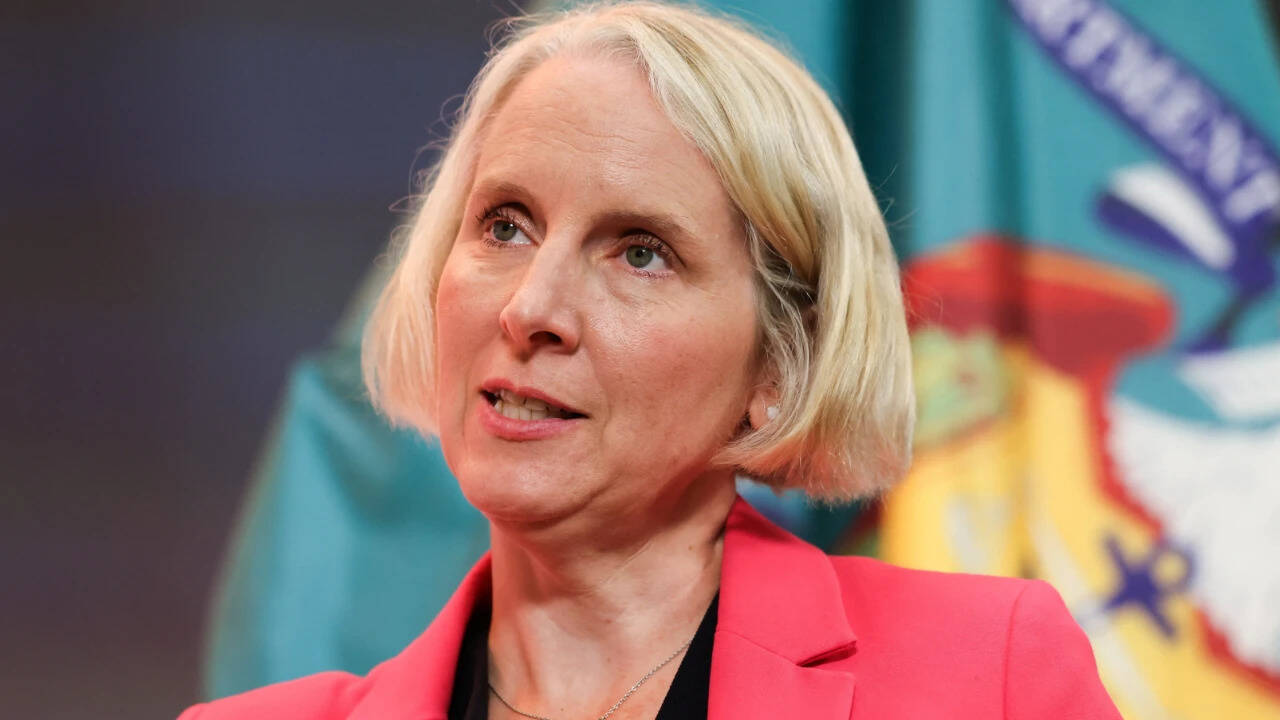
Emma Reynolds, the chief secretary to the treasury, sparked a political row after stating that employers do not qualify as “working people” during a GB News interview. She said, “I don’t think employers are working people, they are companies.” When asked whether a person who employs a cleaner would be considered a working person, Reynolds replied, “No, but you’re an employee probably of your company, and I’m saying there is a difference between employers and employees.” The remarks drew criticism from Conservative politicians. Shadow business minister Bradley Thomas called Labour’s stance “patronising, out‑of‑touch,” citing small‑business owners such as electricians and shopkeepers who employ apprentices and young workers. Shadow work and pensions minister Helen Whately argued that the comments showed Labour did not recognise the hard work behind businesses, while shadow defence secretary James Cartlidge said hiring staff is one of the toughest aspects of running a company. The comments have revived scrutiny of Labour’s 2024 manifesto pledge not to raise taxes on “working people,” which includes income tax, national insurance and VAT. The pledge was questioned after former chancellor Rachel Reeves highlighted employers’ national insurance contributions in October 2024. The government maintains that the increase does not breach the commitment because it applies to employers, not employees. The main rate of employers’ national insurance rose from 13.5 % to 15 %, and the secondary threshold was lowered from £9,100 to £5,000. A Treasury spokesperson said the government would uphold its manifesto commitments and would not raise rates of income tax, employee national insurance, VAT or corporation tax.
Frequently asked questions
What did Emma Reynolds say about employers in the GB News interview?
She said employers are not "working people" and are companies, and that a person who employs a cleaner would not be considered a working person.
How did the government justify the increase in employers' national insurance rates?
The Treasury spokesperson said the increase does not breach Labour's 2024 manifesto pledge because it applies to employers, not employees, and that the government will not raise rates of income tax, employee national insurance, VAT or corporation tax.
What changes were made to employers' national insurance rates?
The main rate of employers' national insurance rose from 13.5% to 15%, and the secondary threshold was lowered from £9,100 to £5,000.