World
Iran Targets U.S. Air‑Defence and Military Sites in Gulf, Damaging 26 Bases
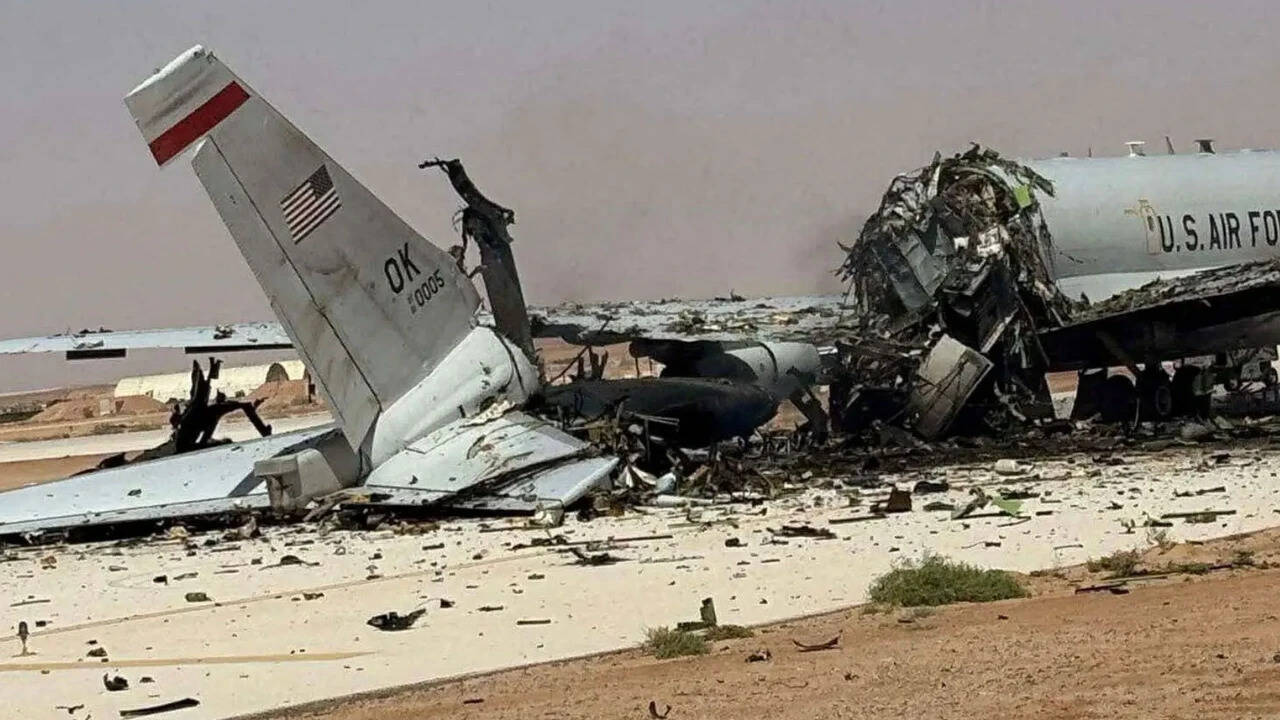
An Associated Press analysis of satellite imagery found that Iran’s retaliation against U.S. military installations in the Middle East began with systems designed to detect incoming attacks and then expanded to aircraft, warehouses and troop facilities. The strikes damaged or destroyed structures at 26 U.S. military bases and other sites holding American equipment, prompting Washington to move aircraft, air‑defence systems and other assets out of the Persian Gulf, according to regional officials cited by the AP.
The analysis independently verified damage using satellite imagery from multiple providers and drew on interviews with four regional officials who were briefed on the attacks or had direct knowledge of the sites. It identified more than 115 drone and missile strikes, claimed by Iran or Iranian‑backed militias, that damaged or destroyed structures at the 26 locations through August.
Iran initially concentrated on aircraft hangars and systems used to detect incoming strikes, the AP found, before widening its attacks to warehouses, accommodation for troops and other facilities. Between April 1 and June 30 alone, hundreds of buildings and other structures at U.S. bases were damaged or destroyed. Early targets included radar installations that form a critical part of the U.S. air‑defence network.
Within the first two days of the war, Iran destroyed protective enclosures for U.S. radar systems at Camp Arifjan in Kuwait and Naval Support Activity Bahrain. It also struck portable radars at Prince Sultan Air Base in Saudi Arabia and Muwaffaq Salti Air Base in Jordan. Iran’s focus on these systems was significant because they are difficult and expensive to replace. N.R. Jenzen‑Jones, director of the technical intelligence consultancy Armament Research Services, told the AP that Tehran had targeted the backbone of the U.S. air‑defence system. Striking such sites was likely intended to disrupt the ability of the U.S. and its allies to respond to further attacks, he said.
A radar in Jordan was reportedly destroyed. It was one of only 13 AN/TPY‑2 radars held by the U.S. Army globally, according to manufacturer Raytheon, with budget documents putting the cost of each at around $500 million. A separate radar in Qatar was also significantly damaged, although it remains unclear whether it was destroyed.
After the initial attacks on radar systems, Iran carried out more than 50 successful strikes on 18 locations holding U.S. military equipment during the first month of the war. Aircraft, refuelling tankers, communications systems, fuel bunkers and troop accommodation were among the targets. At Prince Sultan Air Base in Saudi Arabia, a March strike damaged the rear section of a Boeing E‑3 Sentry surveillance aircraft and also hit a CIA unit at the U.S. Embassy in Riyadh, according to regional officials cited by the AP. The attack damaged several other aircraft, including two aerial refuelling tankers. A Congressional Research Service report updated in October said 15 U.S. aircraft had been damaged at regional bases.
Kuwait bore the brunt of the attacks. Ali Al Salem Air Base was struck at least 30 times, damaging or destroying at least 15 aircraft hangars, numerous warehouses and 10 buildings near a residential area. Camp Buehring sustained extensive damage, with most of its hangars rendered inoperable. Its gym was destroyed in March, while a store for troops was hit in late July. Regional officials also described severe damage to a garage and dining facility at the base.
U.S. sites in Bahrain, Iraq, Jordan, Oman, Qatar, Saudi Arabia and the United Arab Emirates were also targeted. At Al Dhafra Air Base in the UAE, strikes damaged infrastructure including hangars and other installations, as well as equipment such as an early‑warning radar system and surveillance drones.
The damage has raised questions about the resilience of the U.S. military footprint in the region. Two regional officials told the AP that Washington had moved many of its assets out of the Persian Gulf, including aircraft, air‑defence and communications systems. U.S. Central Command, which oversees American military operations in the region, declined to comment on the damage, citing operational security. The Pentagon has offered little detail about the toll on U.S. equipment and personnel. Its spokesman Sean Parnell said American forces and bases were “well protected” and that the military was stronger than ever.
The financial cost of the conflict is also mounting. The Pentagon told U.S. lawmakers that the war had cost American taxpayers at least $47.1 billion as of October 16. The figure includes operational spending and a projected $29 billion to replace munitions already used in the conflict, but excludes the cost of repairing U.S. military bases damaged by Iranian attacks and the fuel used by ships and aircraft. The $47.1 billion estimate is higher than the $38 billion forecast by the Congressional Budget Office in September and the $37.5 billion figure given by Defense Secretary Pete Hegseth in July. The CBO has estimated that the war could cost an additional $2 billion to $3 billion every month for as long as it continues.
The financial and military toll comes as U.S. President Donald Trump weighs the possibility of further strikes after the U.S. midterm elections. Tehran has vowed major retaliation if hostilities resume. The damage already inflicted on U.S. bases could shape Washington’s decisions about whether to rebuild its military infrastructure in the region once the war ends.
The AP also noted that public verification of the damage has been complicated by delays in the release of satellite imagery. Major providers with U.S. government contracts restricted or delayed the publication of images at the request of American officials, limiting independent assessment of the strikes.
Frequently asked questions
How many U.S. bases were damaged by Iran?
26 U.S. military bases were damaged or destroyed by Iran.
What types of U.S. equipment were targeted?
Radar systems, aircraft, refueling tankers, communications systems, fuel bunkers, and troop accommodation were targeted.
What is the estimated cost of the war to U.S. taxpayers?
At least $47.1 billion as of October 16.