World
US‑China Trade Tensions Quiet, Yet Supply‑Chain Rivalry Escalates
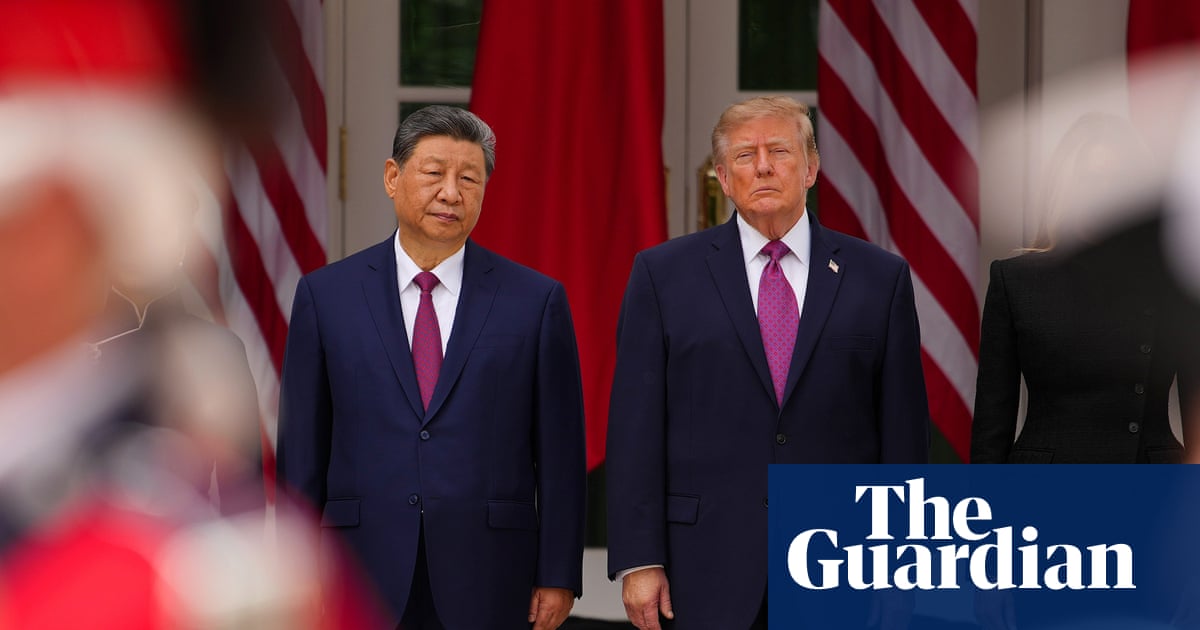
The trade wars that dominated headlines under former President Donald Trump have largely faded, but a quieter, more complex conflict is unfolding between the United States and China. A truce reached last year has paused the escalation of tariffs and opened the possibility of a future trade agreement, but neither side has established guarantees to prevent a new round of hostilities. Instead, both countries view the dispute as a national‑security priority and are working to secure economic, technological, and military advantage.
China and the United States are now focusing on the resilience of international supply chains. China has sought to reduce dependence on foreign production by encouraging domestic manufacturing and has threatened to restrict access to critical minerals. In response, U.S. national‑security adviser Jake Sullivan outlined a strategy to limit China’s access to advanced technologies while maintaining the global economic order. This approach has led to a proliferation of restrictions on U.S. technology exports, investments, and technology transfers to China over the past five years.
China’s recent actions included throttling exports of rare earths and magnets in retaliation for U.S. tariffs and restrictions on high‑end semiconductors and lithography equipment. While some controls have been relaxed, many remain in place and are also used to pressure other countries. The International Energy Agency estimates that a Chinese blockade of rare‑earth magnets could cost U.S. and European economies about $1.5 trillion per year.
The U.S. is investing hundreds of millions in projects to mine and process critical minerals and is intensifying efforts to block China’s access to frontier semiconductors and the machinery needed to produce them. China has announced export restrictions on artificial‑intelligence chips and solar‑power technology and has threatened to punish countries that reduce dependence on its mineral inputs.
A peaceful resolution would require a shared understanding of legitimate national‑security risks that justify supply‑chain restrictions. Defining the scope of such restrictions is essential, as standard commercial disputes should not be treated as wartime matters. China is expected to maintain dominance in renewable‑energy technologies, particularly solar power, and possibly in the electric‑vehicle sector, which could impact Brussels and Washington but may not justify war.
The current situation mirrors historical precedents where resource restrictions contributed to conflict, such as the League of Nations’ limitations on raw materials to Axis powers and the U.S. embargoes on scrap steel and oil to Japan. Today, rare‑earth magnets are critical for American military hardware, and a Chinese blockade could have severe consequences.
As the U.S. and China compete for control of next‑generation technology, trade has shifted from a tool of peace to a theater of strategic competition.
Frequently asked questions
What caused the recent slowdown in US-China trade tensions?
A truce reached last year paused tariff escalation, but no guarantees to prevent new hostilities.
How could a Chinese blockade of rare‑earth magnets affect the US and Europe?
The International Energy Agency estimates it could cost about $1.5 trillion per year.