Politics
Michigan Senate Race Draws National Attention as El‑Sayed Faces Rogers
By Ali Harb
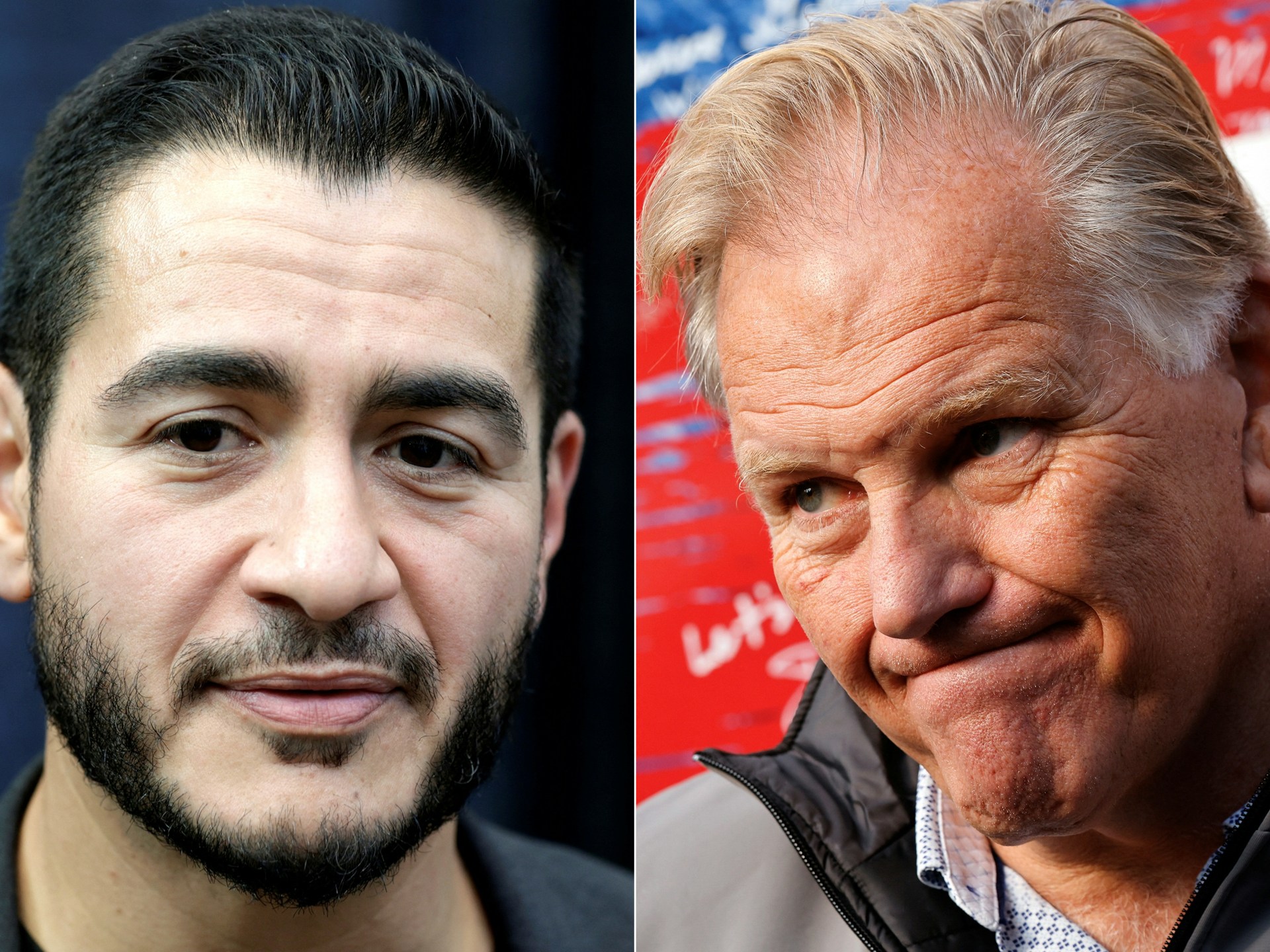
In the Michigan U.S. Senate contest, Democratic candidate Abdul El‑Sayed, a 42‑year‑old public health advocate of Egyptian descent, is up against Republican challenger Mike Rogers, a 63‑year‑old former congressman and state legislator. El‑Sayed, who previously led Detroit’s and Wayne County’s health departments, ran for governor in 2018 and would become the first Muslim U.S. senator if elected. He supports progressive policies such as Medicare for All and has criticized U.S. aid to Israel, labeling the Gaza conflict a genocide.
Rogers, a close ally of former President Donald Trump, has positioned himself as a staunch supporter of Israel while also calling for an end to the conflict. He backs tax cuts, increased domestic energy production and deregulation. The seat is currently held by retiring Democrat Gary Peters; a Rogers victory would give the Republicans a Michigan Senate seat for at least six years.
The race has attracted significant national and international media coverage. Arab American activist Chadi Abdulrazek, a small‑business owner from Dearborn, has been speaking to journalists from Denmark, Sweden, the Netherlands, France and the United Kingdom about the importance of the election for Muslim and Arab communities facing Islamophobic attacks.
Pro‑Israel lobbying groups, notably the American Israel Public Affairs Committee (AIPAC), have spent tens of millions of dollars to defeat El‑Sayed, backing his opponent Haley Stevens in the Democratic primary and later supporting Rogers in the general election. AIPAC’s election arm, United Democracy Project, has spent hundreds of thousands of dollars on mailers against El‑Sayed.
Stevens, a U.S. House Democrat who lost the primary to El‑Sayed, has continued to criticize him publicly, citing his stance on Israel. El‑Sayed and other Democratic allies have urged the party to focus on winning the Senate seat rather than relitigating the primary.
Polling shows El‑Sayed with a narrow lead over Rogers, ranging from four to seven percentage points, but Michigan’s voting history has made polls unreliable. The Cook Political Report labels the race a toss‑up.
Nearly $300 million has been spent on the Michigan Senate race, making it one of the most expensive in the country. Major Republican PACs such as Senate Leadership Fund, MAGA Inc., No Going Back, Great Lakes Conservatives Fund, Senate Majority PAC and WINSENATE have been significant spenders.
Early voting is underway, and Election Day is Tuesday, November 3. Michigan polls close at 8 p.m. local time (01:00 GMT on Wednesday). Results may be called as early as a few hours after polls close if a candidate gains a decisive lead, or as late as Wednesday if the contest remains tight.
The outcome of this race will influence not only the partisan balance of the U.S. Senate but also the national debate over progressive policies and U.S. foreign policy toward Israel and the Middle East.
Frequently asked questions
Who are the candidates in the Michigan Senate race?
Democratic candidate Abdul El‑Sayed, a 42‑year‑old public health advocate of Egyptian descent, and Republican challenger Mike Rogers, a 63‑year‑old former congressman and state legislator.
How much money has been spent on the Michigan Senate race?
Nearly $300 million has been spent on the Michigan Senate race.
When is Election Day for this race?
Election Day is Tuesday, November 3, with polls closing at 8 p.m. local time.