World
AfD's Ulrich Siegmund Poised to Become First Far-Right State Leader in Germany Since Hitler Era
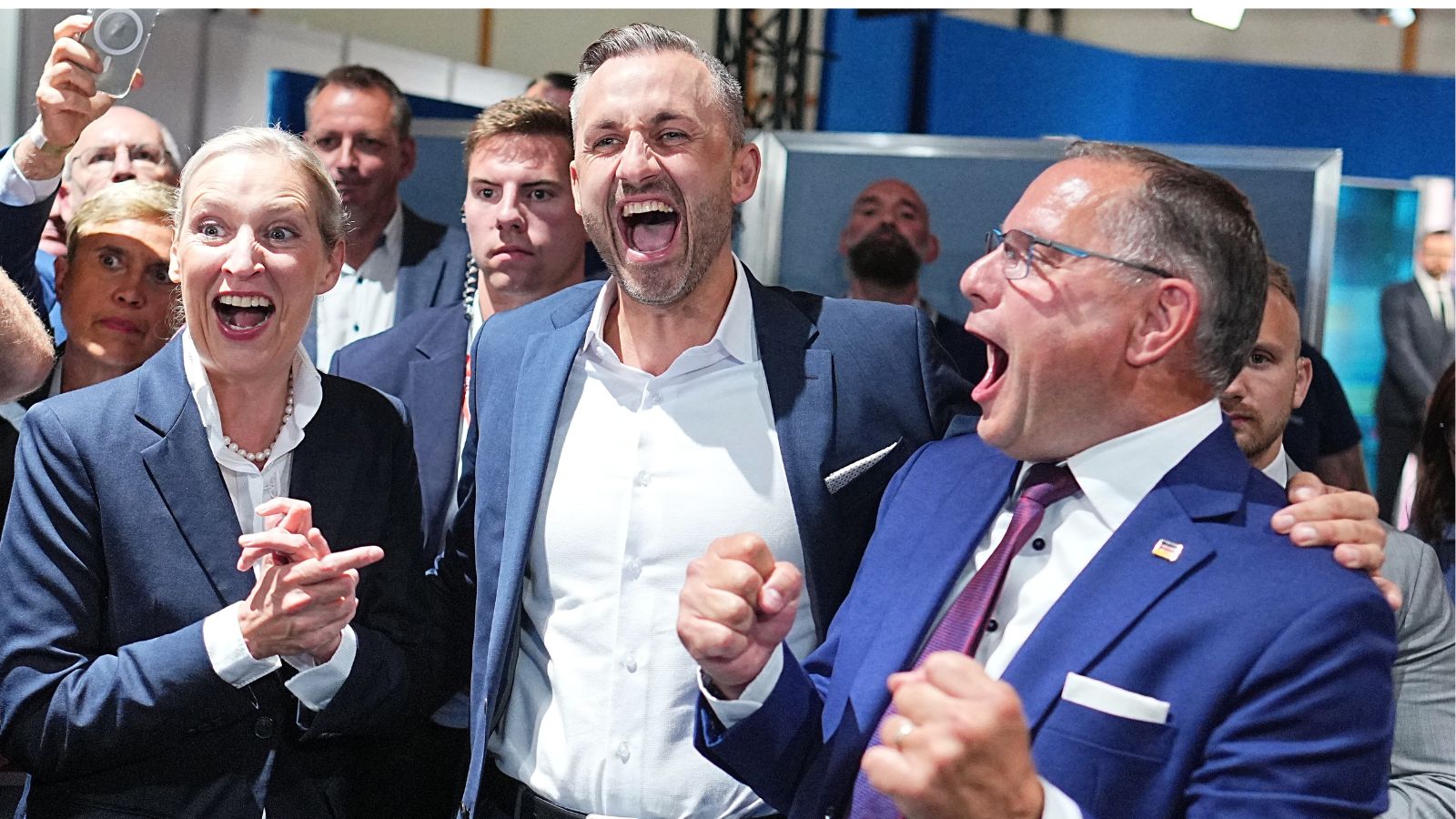
Ulrich Siegmund, a 35-year-old politician from the far-right Alternative for Germany (AfD) party, is on track to make history after leading the party to a commanding victory in the eastern German state of Saxony-Anhalt. According to exit polls cited by AFP, the AfD secured at least 44 per cent of the vote in Sunday's election, a result that could see Siegmund become the first far-right leader of a German state since the Hitler era.
Siegmund was born in Saxony-Anhalt in October 1990, shortly after German reunification, and continues to live in his hometown of Tangermünde with his wife and daughter. Before entering politics, he studied business psychology and operated a small company that sold air fresheners.
Siegmund has earned the nickname "Germany's most dangerous man" following a Der Spiegel cover story last month that featured his image under that headline, as reported by The Guardian. Rather than reject the label, Siegmund has embraced it, signing copies of the magazine for supporters and sharing footage of the moment with his approximately 800,000 TikTok followers.
Germany's domestic intelligence agency has classified Siegmund's AfD state chapter as right-wing extremist, pointing to its connections with ethno-nationalist organizations. In 2023, Siegmund attended a secretive meeting near Berlin where far-right figures discussed a "remigration" proposal aimed at expelling millions of people with immigrant backgrounds. The controversy led to Siegmund losing a committee chairmanship at the time, although he has since characterized the meeting as an informal discussion.
Several members of his staff and fellow party officials previously belonged to a neo-Nazi youth group that has since been banned. Siegmund has defended these associations, telling the newspaper Welt that he is not concerned with events from decades past. He has vowed to deport undocumented migrants "from minute one" in office and has expressed a desire to make Saxony-Anhalt less multicultural and more overtly patriotic.
Siegmund first entered Saxony-Anhalt's state parliament in 2016 and became co-leader of the AfD's parliamentary group in 2021. He was later selected as the party's top candidate with 97 per cent support from members. Ahead of Sunday's election, AfD support in the state had grown to roughly twice that of the CDU, the party led by Chancellor Friedrich Merz, according to The Guardian.
The vote in Saxony-Anhalt is widely regarded as a bellwether for German politics. A strong performance by the AfD there raises the possibility of similar outcomes in other eastern German states later this month and has heightened concern in Berlin over the party's growing influence ahead of future federal elections.