World
Thousands of German Youth Protest for Education, Living Costs and No Conscription Amid Evening Riots
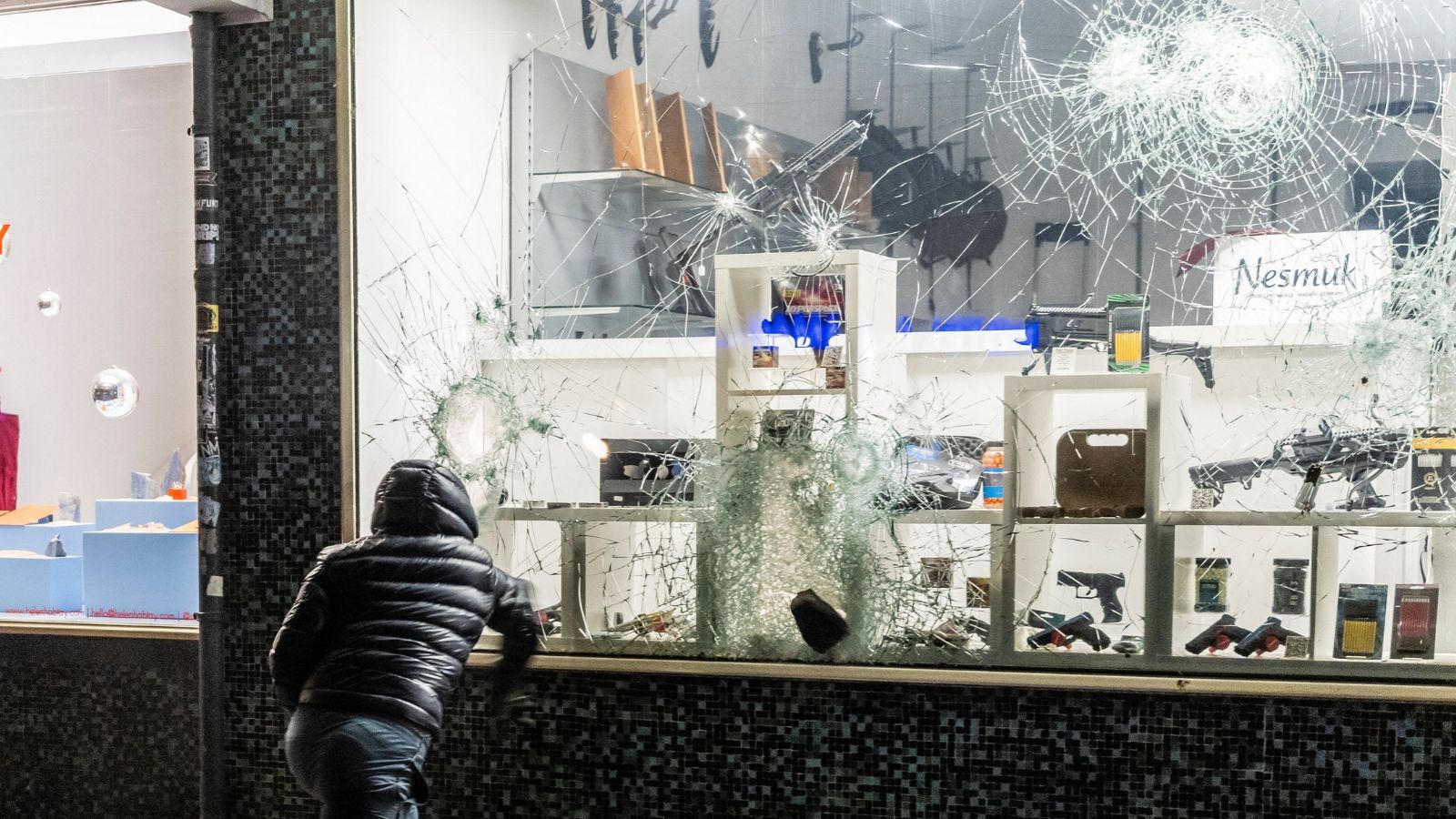
On October 31, about 180,000 young people marched in 34 German cities, demanding increased funding for schools, lower living costs and the abolition of compulsory military service. The protests were organized by the loose alliance Gen Z Regelt. Most of the day’s demonstrations were peaceful, but in the evening clashes erupted in Frankfurt, Cologne and Berlin. In Frankfurt police broke up a demonstration and rioters smashed shop windows, looted stores, set fires and threw Molotov cocktails at officers. The police closed Die Zeil, one of Germany’s busiest shopping streets, and took about 30 people into custody. In Cologne, around 200 people were involved in disorder near the cathedral; bottles and bicycles were thrown at officers, one person was injured and five were detained. In Berlin, an evening demonstration ended after officers were struck with stones and fireworks were set off; 27 officers sustained minor injuries and up to 56 protesters were briefly detained. The demands of the protestors include more money for education, fairer distribution of living costs, affordable housing, better public infrastructure, an end to austerity in services, and no compulsory military service or mandatory military screening. The protests coincided with the German government’s increased defense spending, and the organizers criticized the allocation of funds to the military at the expense of schools and universities. The demonstrations were largely peaceful during the day, but the mood shifted after dark, leading to the reported riots and looting in the three cities. The German police and politicians attributed the evening violence to left‑wing activists and warned that extremist groups had influenced the unrest. The organizers, who describe themselves as non‑partisan and reject violence, stated that more than 100,000 people joined the protests across the country. The protests were part of a broader wave of youth demonstrations across Europe, including France, Belgium, Italy, Spain and Serbia. The German government has not yet responded to the specific demands of the protestors.