World
Syria Faces Rising Living Costs Amid Post‑Assad Economic Struggles
By Today News Hours Editorial Desk
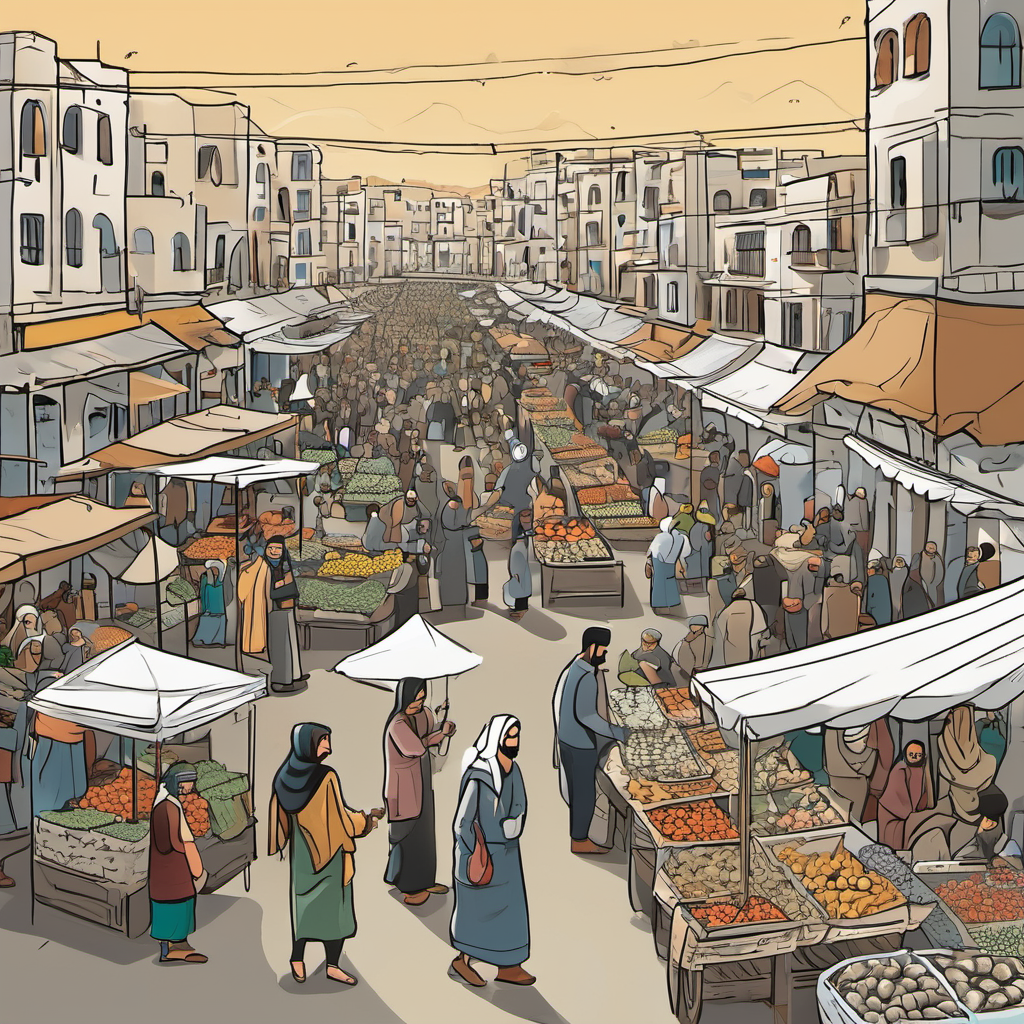

In the last month, protests erupted across Syria as citizens burned tyres, blocked roads and shouted slogans in response to a government decision to raise fuel prices again. The demonstrations were the largest display of discontent since President Ahmed al‑Sharaa came to power two years ago. On a Syrian TV channel, a man said he still supported the authorities but could no longer afford bread. Another protester warned, “We have begun to fear what kind of new decision each morning will bring.” The fuel hike was the latest measure blamed for a growing cost‑of‑living crisis.
Since rebels led by Sharaa ousted President Bashar al‑Assad, ending five decades of his family’s rule and more than 13 years of civil war, many Syrians have seen their finances worsen. Sharaa has overseen Syria’s transition and attempts to revive a broken economy after years of mismanagement, isolation and conflict. While the overthrow of Assad was celebrated as a step toward freedom, many hoped for rapid improvement, which has not materialised. Prices for essentials and basic items have risen sharply, and the unexpected fuel increase was seen by many as evidence of a government out of touch.
“People stand by you and are still with you, but this will make things explode,” a protester told Sharaa. Days later, amid calls for further demonstrations, the fuel increase was revoked.
In a Damascus suburb, I met Fatima Saleh Eid, 50, who works as a cleaner to support her family. She said, “We’ve suffered a lot. We eat more sparingly now. We can’t afford chicken or meat. We only eat vegetables, but even that is expensive.” Her husband had recently been hired by a ceramic factory after a year of unemployment. Many others struggle to find work.
Since coming to power, the government has cut long‑held subsidies as part of an austerity drive. The price of bread has risen tenfold. Fuel prices now align with the international average, increasing pressure on farmers and transportation costs. Electricity prices have risen several hundred percent for some. In response, authorities have adjusted public sector wages, including pensions, but the additional pay has been eroded by rising prices.
Other residents echoed these concerns. Marwan Bashour, 68, said his monthly public sector pay of about $90 (£70) is insufficient. He often borrows money or sells household items to make ends meet. The United Nations Development Programme reported that 90% of Syrians were in poverty last year. Aid agencies have cut services due to funding cuts.
Nabil al‑Remhein, 63, said none of his four adult children could find work. “We’re now having only one meal a day. It’s tragic,” he said. He described cutting back on electricity use to avoid bills, which still amount to about a third of the family’s income.
Dr. Haid Haid, a Syrian columnist and consulting fellow at Chatham House, said a significant portion of the population is worse off than before Assad’s fall. He described the economic crisis as one of the most dangerous issues for the government, partly due to a lack of financial resources and the legacy left by the former regime, and partly because new policies are moving Syria toward a liberal, free‑market economy that does not consider the impact on people.
A spokesman for the Syrian economy and industry ministry declined to comment. Sharaa has achieved some gains: international sanctions imposed during the Assad era have been lifted, and the US has removed Syria from its list of state sponsors of terrorism. Security remains volatile, but the country feels more stable. The president has consolidated power and earlier this year retook the resource‑rich north‑east from a Kurdish‑led militia. The Druze still control areas in the south, seeking autonomy, while Israel occupies parts of the south‑west.
Large parts of Syria remain in ruins after a war that killed half a million people and displaced half the population. Many families live in partially destroyed buildings because they cannot afford rent. The World Bank estimates reconstruction costs at $216 billion, and without foreign help and investment, rebuilding will be impossible.
Samir Aita, a Syrian economist heading the Circle of Arab Economists, said the crisis is a combination of policies, mismanaged expectations, and unrealistic hopes. He warned, “It’s unsustainable. If they don’t change, I fear chaos.”
Despite exhaustion after years of conflict, Syrians remain hopeful. Cab driver Abu Mahmoud said, “They inherited the country bankrupt, so people need to be patient. Things don’t happen overnight.”