Politics
Democrats Face Internal Divide Ahead of Midterm Elections
By Today News Hours Editorial Desk
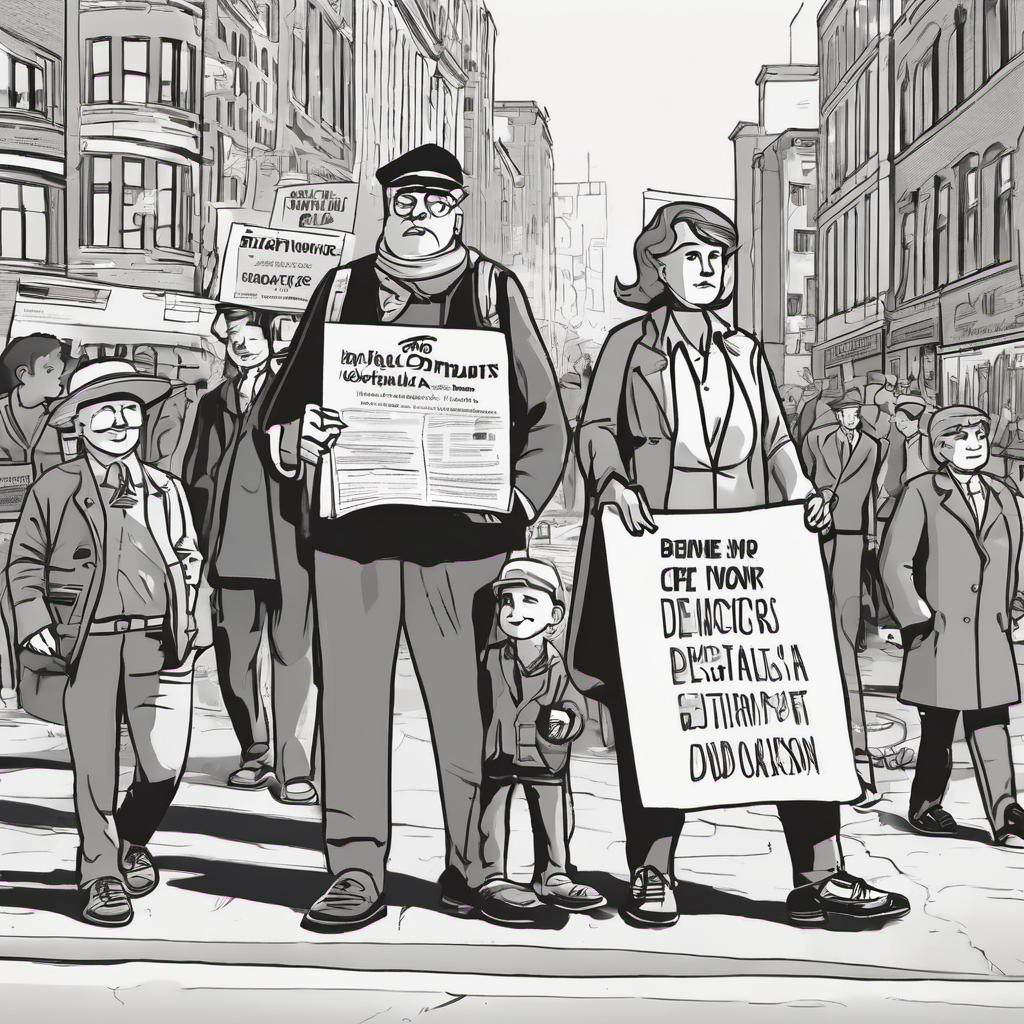

James Stevens, a 24‑year‑old film student from Georgia, identifies as a democratic socialist and has campaigned for Democratic candidates, including canvassing for Zohran Mamdani’s mayoral bid in New York City last year. His mother, Tamara, 56, also a Democrat, switched from the Republican Party after watching Barack Obama on Oprah and now supports reproductive rights, attends rallies, and donates to local candidates. Both mother and son want Democrats to win control of Congress in the upcoming midterm elections, but they differ on the party’s direction.
Stevens criticizes what he sees as the party’s compromise with Republican policies and calls for a bold vision aligned with the Democratic Socialists of America (DSA). He lists anti‑Zionism, removing corporate money from politics, and government‑run free healthcare as key policies. Tamara, a Zionist, shares a desire for universal healthcare but disagrees with Stevens on Israel.
The midterms are widely viewed as a referendum on President Donald Trump, whose approval rating is at a record low for a president heading into a midterm, comparable to George W. Bush in 2006. Iran’s ongoing conflict, higher gas prices, and cost‑of‑living concerns also weigh on voters. Historically, the party in power loses House seats in 18 of the last 20 midterms.
Despite these conditions, the Democratic Party remains only marginally better than the Republicans in public opinion. Real Clear Politics polling shows a net unfavourability rating for Democrats, and analysts suggest that if Republicans survive the midterms, it may be because the Democratic brand is disliked by a majority of voters.
The election cycle has highlighted a split within the party between institutionalists who favor incremental change and reformists who seek root‑and‑branch transformation. Senior fellow Ruy Teixeira of the American Enterprise Institute notes that the party’s identity is “cloudy,” shaped largely by reaction to the Trump administration and internal factions.
Left‑wing groups such as the Justice Democrats, founded in 2017 to support the “Squad” members Alexandria Ocasio‑Cortez and Ilhan Omar, blame the Democratic establishment for the current political climate. Usamah Andrabi argues that the establishment’s actions led to a Republican Congress and president, and that solutions require universal healthcare, childcare, and reduced defense spending.
Healthcare remains a central battleground. Carrie Dann of the Cook Political Report highlights voter appetite for transparency and lower costs. Some Democrats support Medicare for All, while others prefer to keep private insurance options. Recent polling indicates a majority of Democrats favor universal healthcare, but a majority of Republicans oppose it.
The Israel issue has become a litmus test in some primaries. Abdul El‑Sayed, a critic of Israel’s actions in Gaza, won the Michigan Democratic primary over establishment preferences. His victory energized voters who feel the party is too supportive of Israel, while others, such as Zach Nessel, fear exclusion of Zionists from the party.
If Democrats win the House or Senate, leaders will face a coalition that includes both centrist and left‑wing voices. Analysts predict that the party’s biggest challenge will be delivering on promises to improve the economy and affordability.
In Georgia, both Tamara and James support Senator Jon Ossoff, who is running for re‑election in a seat deemed “likely Democratic” by the Cook Political Report. Ossoff is praised for addressing corruption, healthcare, and corporate money, issues that resonate with voters across party lines.
The midterm results will likely spark further intra‑party debate and shape the 2028 presidential nomination process.