World
Widow of Fallen Airman Pushes Back After Pentagon Initially Denies Combat Benefits
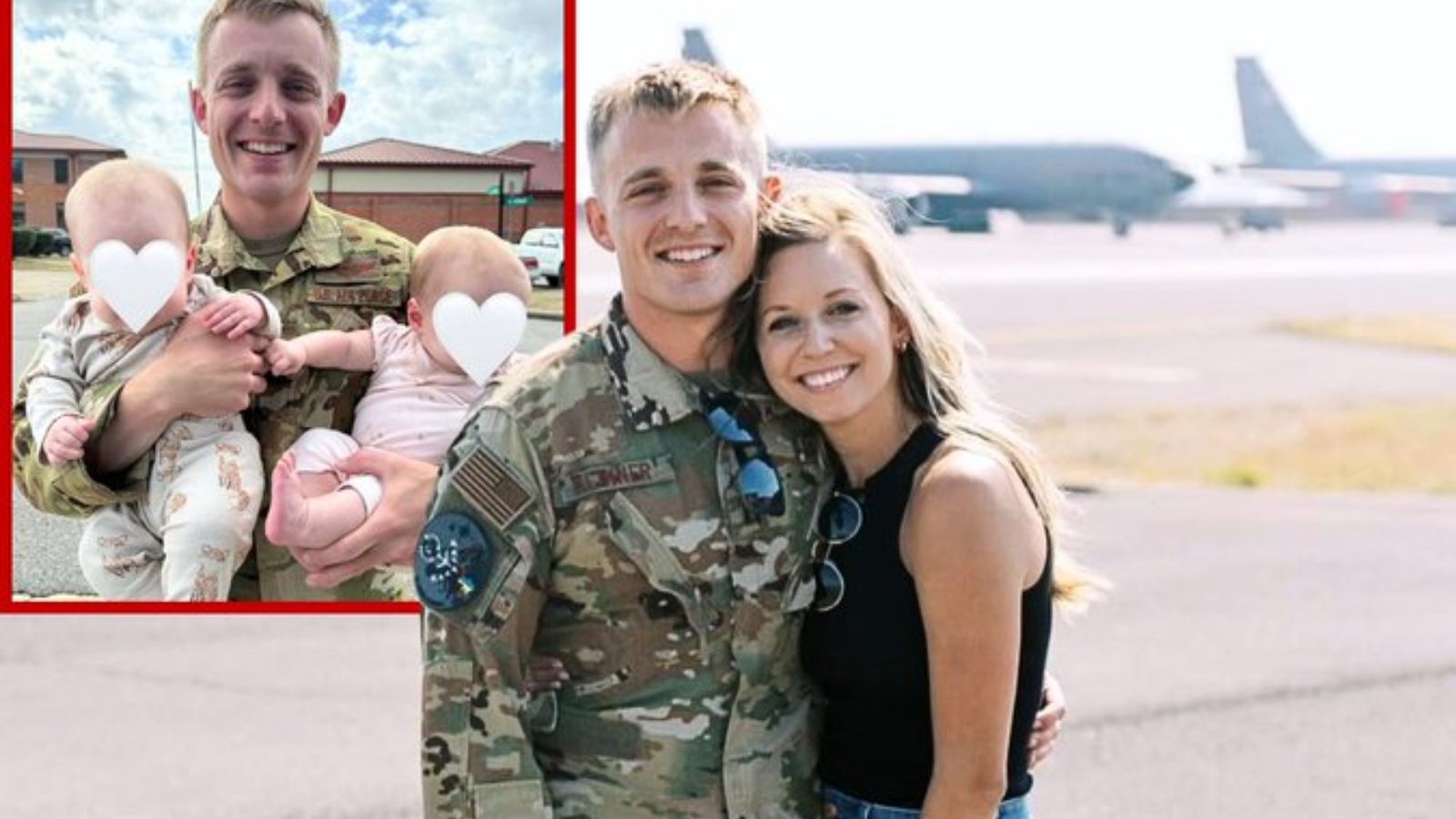
Libby Klinner had already buried her husband when she received another shock: a military officer assisting her with paperwork told her that the conflict that killed him was not officially classified as a war, meaning some benefits would not apply. "My husband lost his life because we're in a war, and then I was told that because it's not technically a war, we lose out on something," Klinner told the Associated Press. "It all comes down to principle."
Major Alex Klinner, 33, was one of six crew members killed when a KC-135 refueling aircraft crashed in western Iraq in March while supporting U.S. military operations against Iran. He is among 18 U.S. service members killed and 790 wounded during more than six months of fighting in the region.
Despite the significant casualties, the Trump administration has refrained from formally labeling the conflict a war. Vice President JD Vance stated this week that there was "no active shooting," even though the U.S. had carried out two strikes inside Iran that same week, and Iran had retaliated against American allies in the Gulf. President Donald Trump described the strikes as "intermittent" and characterized the fighting as "small potatoes," echoing Vance's phrasing.
The Pentagon has also altered how it tracks casualties. In late July, officials discontinued the operation name "Epic Fury" and began categorizing all Middle East casualties under a new designation, "Overseas Operations."
Klinner said she received no clear answers through official channels until she shared her story publicly. Her account, posted online over the weekend, gained widespread attention, prompting a question to Vance during a White House briefing. He pledged to assist her. "We want to be as helpful as we can and ensure she gets everything that she is entitled to," Vance said. "We love ya, we're grateful for the sacrifice."
Shortly afterward, the Air Force contacted Klinner to clarify that it had previously given her incorrect information. Officials said her husband's final paycheck had, in fact, included combat pay and related tax breaks, though it had been listed incorrectly.
The benefit in question, commonly known as combat pay, amounts to $225 per month. It does not require a formal declaration of war, only that a service member faced "grave danger of physical injury" or was harmed in a hostile-fire incident. Klinner's husband, who was paid twice monthly, would have been entitled to half of that amount in his final paycheck, along with additional tax relief that is harder to quantify. Klinner has not disclosed the amount she was originally told her husband would not receive.
The Air Force stated it remains "committed to providing clear information and continued support" to Klinner and to the families of other airmen who died in the crash. Officials noted that pay errors are not uncommon in the military, since benefits can change frequently based on deployment status, location, or family circumstances—far more often than in civilian employment.
Major Klinner, an eight-year veteran of the Air Force from Birmingham, Alabama, left behind three young children. A GoFundMe campaign established for the family has raised more than $1.5 million.
Klinner said she decided to speak publicly in part so that other grieving military families would not have to face similar struggles alone. "I am very fortunate to have a significant support system around us and a platform to advocate for myself and for my kids," she said. "If I can do anything to make this awful situation a little bit easier for someone else to navigate, then I am more than willing to do so."