World
UAE Boosts Eastern Ports as Hormuz Blockade Disrupts Trade, India Feels the Pinch
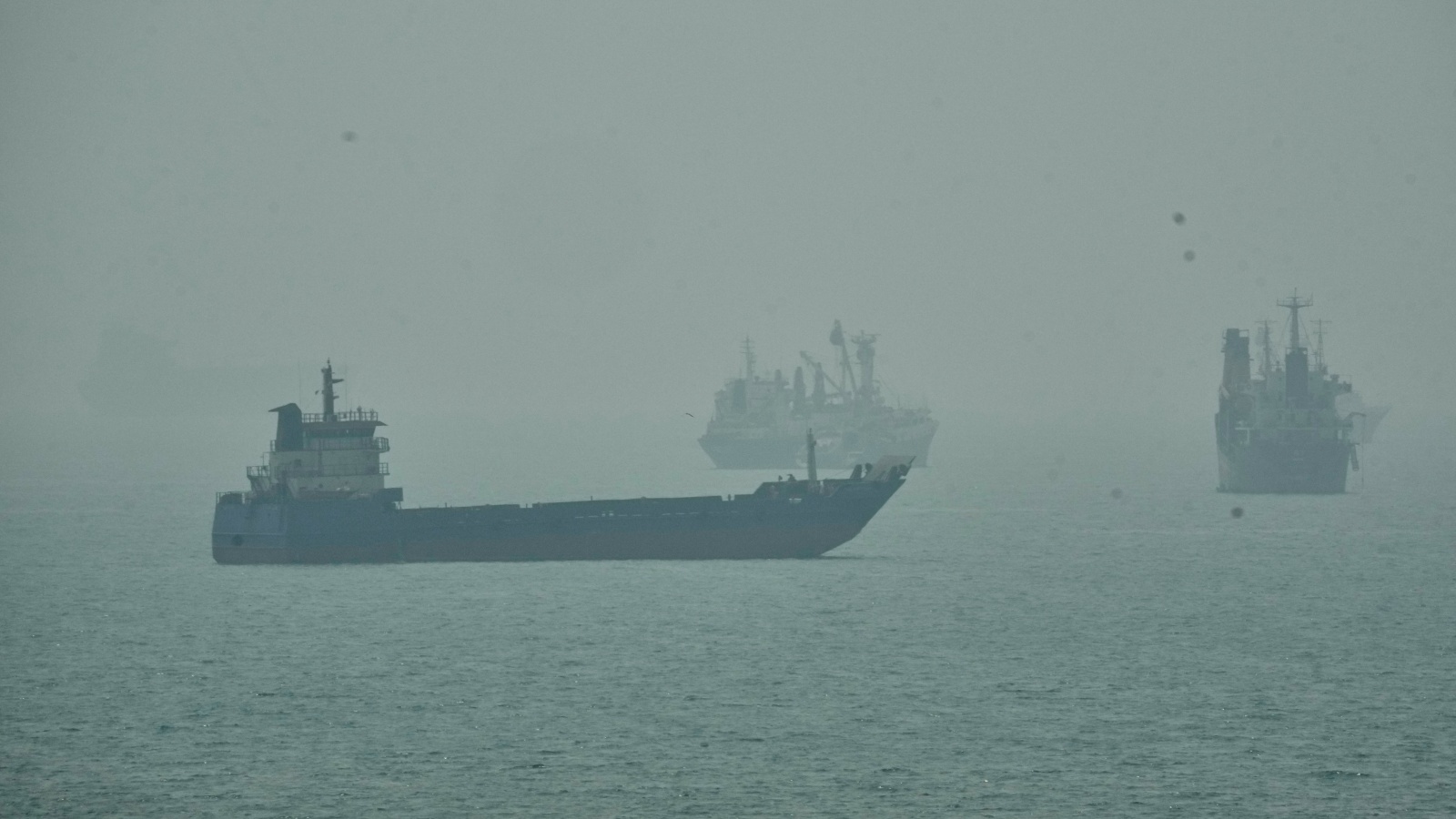
The United Arab Emirates has announced plans to expand port capacity on its eastern coast in order to bypass the ongoing blockade in the Strait of Hormuz, a move expected to benefit both the UAE and India, one of its largest trading partners.
The blockade, which followed a wider conflict in the region, has disrupted global trade and energy supplies. Iran claims full control over the strait, while the United States insists that no vessel can pass without its authorisation, creating a standoff between Iran on one side and Oman, the UAE, Kuwait, Qatar and Bahrain on the other.
Speaking at the Hili Forum in Abu Dhabi, UAE presidential adviser Anwar Gargash said the country is expanding port infrastructure along its eastern coast while also developing pipelines, railways and alternative trade corridors. "Our energy exports will not be held hostage, nor will our trade and economic activity," he said.
For India, the disruption has exposed heavy reliance on the Gulf for energy supplies. Prior to the blockade, around 40% of India's crude oil imports, 60% of its LNG imports and nearly 90% of its LPG imports passed through the Strait of Hormuz. India imports more than 88% of its crude oil needs, about 60% of its LPG and roughly half of its natural gas requirements.
LPG supplies have been hit hardest, with India's overall LPG imports falling by more than 40% between March and August as traditional Gulf supplies were disrupted. In response, India turned to the United States, whose share of India's LPG imports rose to more than 50% in the six months since the conflict began, up from less than 10% in the preceding six months. Imports from the US nearly quadrupled during this period. Following the drop in Gulf supplies, India raised prices for LPG, petrol, diesel, CNG and LNG.
Abu Dhabi-based energy analyst Natalia Katona noted that the US was already the world's largest LPG exporter before the crisis, with American propane cheaper than Asian supplies even prior to the conflict. She said India was willing to absorb higher freight costs to secure cooking gas supplies from the US and expects American shipments to remain strong until West Asian supplies stabilise.
According to Reuters, the status of the Strait of Hormuz remains a key obstacle in negotiations between the US and Iran, with Qatar and Pakistan mediating. Iran maintains that the waterway falls under joint jurisdiction with Oman, a position rejected by Gulf Arab states. The UAE has said freedom of navigation through the strait cannot be used as a bargaining chip and that any lasting resolution must include firm guarantees against further attacks on Gulf states.
The conflict began after US and Israeli strikes on Iran on February 28. A preliminary ceasefire reached in June has since collapsed, with little progress made in reviving peace talks.