Climate & Environment
Bezos Earth Fund Pledges $100 Million to New $500 Million Species Recovery Alliance
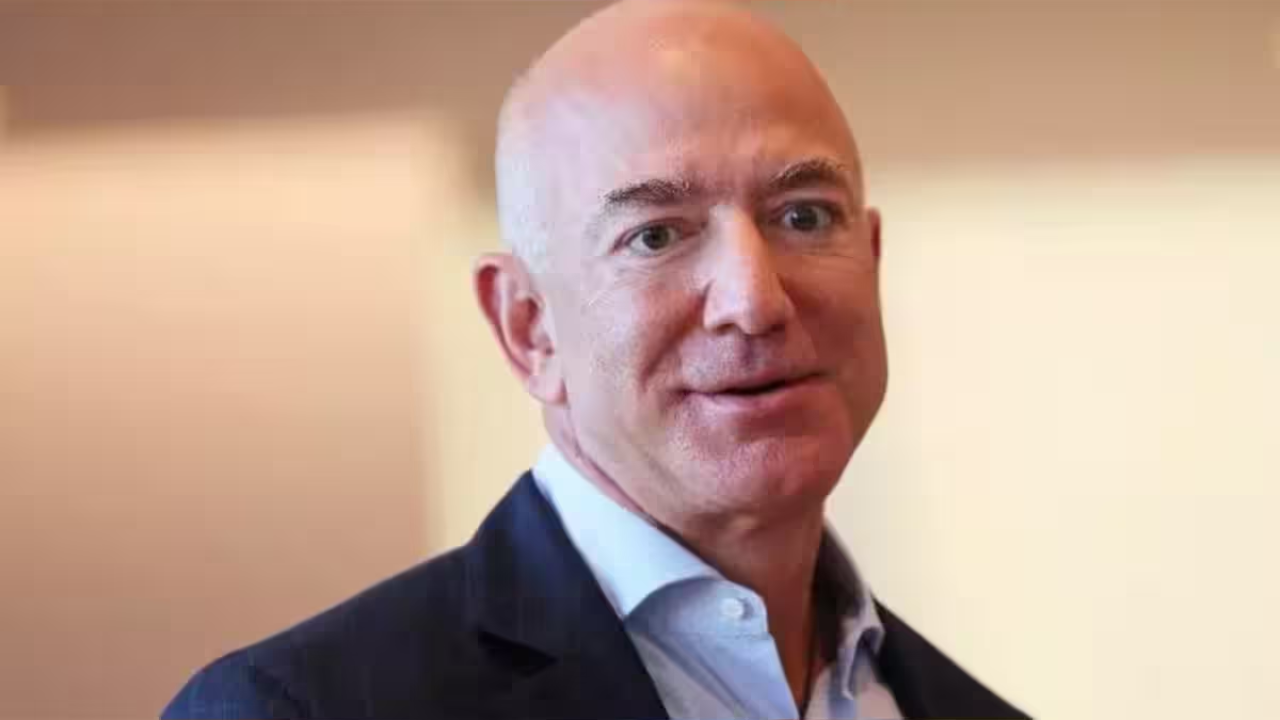
Jeff Bezos and Lauren Sánchez Bezos have committed $100 million to the Species Recovery Alliance, a partnership of nine founding organisations that together have pledged $500 million to support conservation programmes for species at the highest risk of extinction. The alliance was announced on 16 October at the Leaders’ Summit of COP17, the United Nations biodiversity conference held in Yerevan, Armenia. The Bezos Earth Fund’s contribution represents a quarter of the total commitment. The partnership includes Re:wild, the environmental group co‑founded by Leonardo DiCaprio, and Rainforest Trust, as well as the Colossal Foundation, Critical Ecosystem Partnership Fund, Fondation Segré, Franklinia Foundation, Ayers Wild Cat Conservation Trust and WildLives Earth. Rather than pooling all the money into a single pot, the members will manage their own grants while coordinating their work. Funding will be directed to conservation organisations and local partners working to protect species classified by the International Union for Conservation of Nature (IUCN) as endangered, critically endangered or extinct in the wild. Cristián Samper, managing director of the Bezos Earth Fund and its nature solutions lead, said that a lack of dependable funding could jeopardise recovery efforts even after teams have made substantial progress.
The IUCN Red List identifies more than 49,500 species as threatened with extinction. The new alliance will focus on three high‑risk categories that together cover more than 31,000 species. The funding could support a range of interventions, such as captive breeding before release, habitat restoration, disease control or invasive species management. Progress will be tracked through the IUCN Red List and its Green Status of Species, which assesses conservation outcomes over time.
The alliance follows another major commitment by the Bezos Earth Fund and Re:wild. In August 2026, the two organisations launched the Phoenix Species Project, pledging $100 million each toward a combined $200 million effort to recover 100 critically endangered species and species already extinct in the wild across 30 countries. Targets include Madagascar’s golden‑crowned sifaka and Australia’s night parrot.
Private philanthropy is increasingly filling a gap as governments struggle to meet biodiversity commitments. At the 2022 United Nations biodiversity summit in Montreal, countries agreed to mobilise $200 billion annually for biodiversity by 2030, but OECD figures cited by the Associated Press show annual funding at between $75 billion and $92 billion from 2023 to 2025. A United Nations progress report ahead of the October summit found that fewer than half of national biodiversity targets were on track.
The Bezos Earth Fund, established in 2020 with a pledge of $10 billion to support climate action and nature conservation by 2030, has so far distributed $2.4 billion. More than $7 billion remains to be allocated over the roughly four years leading up to the deadline. In addition to the species recovery commitment, the fund has announced grants for sustainable fabrics, wildfire detection, urban park creation and Pacific Ocean projects.
Frequently asked questions
How much money did the Bezos Earth Fund contribute to the Species Recovery Alliance?
$100 million, which is a quarter of the alliance's total $500 million commitment.
Which organizations are part of the Species Recovery Alliance?
The alliance includes Re:wild, Rainforest Trust, Colossal Foundation, Critical Ecosystem Partnership Fund, Fondation Segré, Franklinia Foundation, Ayers Wild Cat Conservation Trust, and WildLives Earth.
What species categories will the alliance focus on?
The alliance will focus on species classified by the IUCN as endangered, critically endangered, or extinct in the wild, covering more than 31,000 species.