World
Israel’s Election Result Leaves Netanyahu’s Coalition Without Majority, Opposition Must Seek Palestinian Support
By Libby Brooks

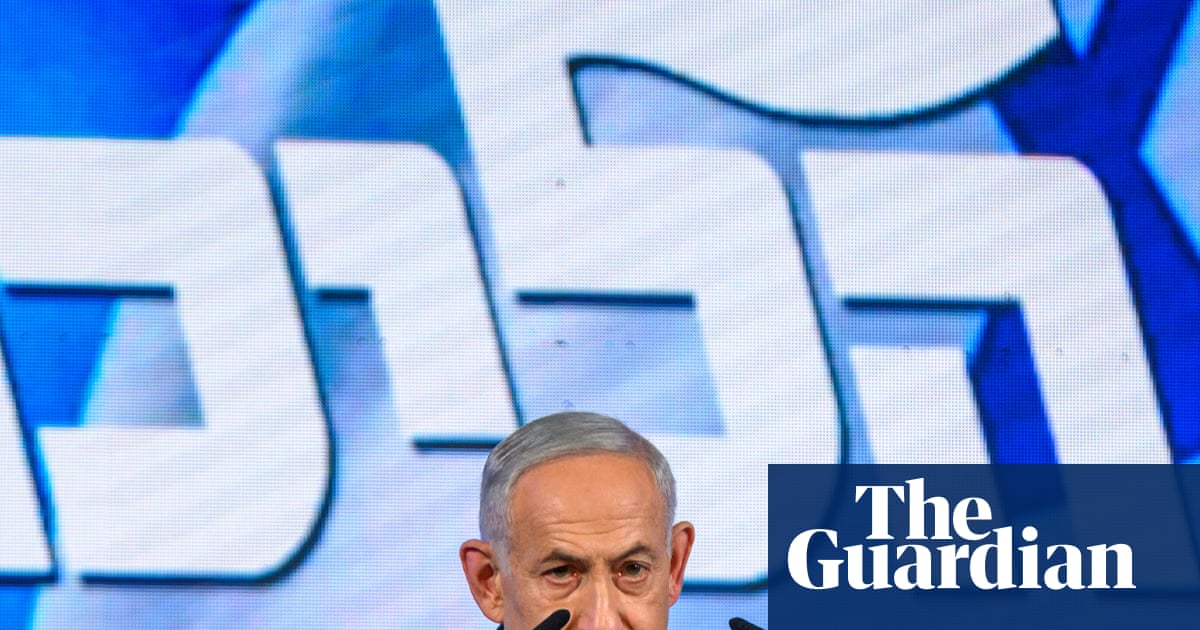
Israel’s latest election, described by many as the most consequential in the country’s history, has produced a result that leaves the nation at a crossroads. Benjamin Netanyahu’s far‑right coalition won 53 seats in the 120‑member Knesset, while the opposition bloc led by retired general Gadi Eisenkot secured 48 seats. Palestinian‑led parties captured a record 19 seats. No single group has reached the 61 seats required for a majority, meaning a coalition will be necessary.
President Isaac Herzog is expected to invite the party most likely to form a government to begin negotiations. The opposition, which includes the centre‑left Democrats, has indicated it is open to talks with Palestinian parties, but only if conditions are met that could be politically difficult for those parties to accept.
Netanyahu has accused the Palestinian parties of “stealing the election” and has called for investigations into alleged foreign interference, though Israeli authorities and the central elections committee have found no evidence of fraud. Far‑right allies have also targeted Palestinian leaders, prompting criticism from President Herzog, who warned against tarnishing an entire community.
The Palestinian parties, notably the Joint List led by Yousef Jabareen and Ra’am headed by Mansour Abbas, have historically been reluctant to join a government that supports military operations in Gaza and the West Bank. Ra’am has previously been part of a coalition but withdrew after disagreements over the occupied territories.
A poll taken as voting closed showed a majority of opposition voters were willing to form a government with Ra’am to unseat Netanyahu. Eisenkot has not ruled out cooperation with Palestinian parties but has set conditions that may be difficult for them to accept.
The election outcome has highlighted deep divisions within Israeli society. While the opposition has a parliamentary majority, the question remains whether it can bridge the gap with Palestinian‑led parties to form a stable coalition. If it cannot, Netanyahu may seek to form a right‑wing coalition or call for new elections, maintaining his position as caretaker prime minister during a period of uncertainty.
Frequently asked questions
How many seats did Netanyahu’s coalition win?
53 seats.
How many seats did the opposition bloc secure?
48 seats.
How many seats did the Palestinian‑led parties capture?
19 seats.