Politics
Helicopter Crash Highlights Unaddressed Safety Issues in Uttarakhand
By Kumar Rakesh
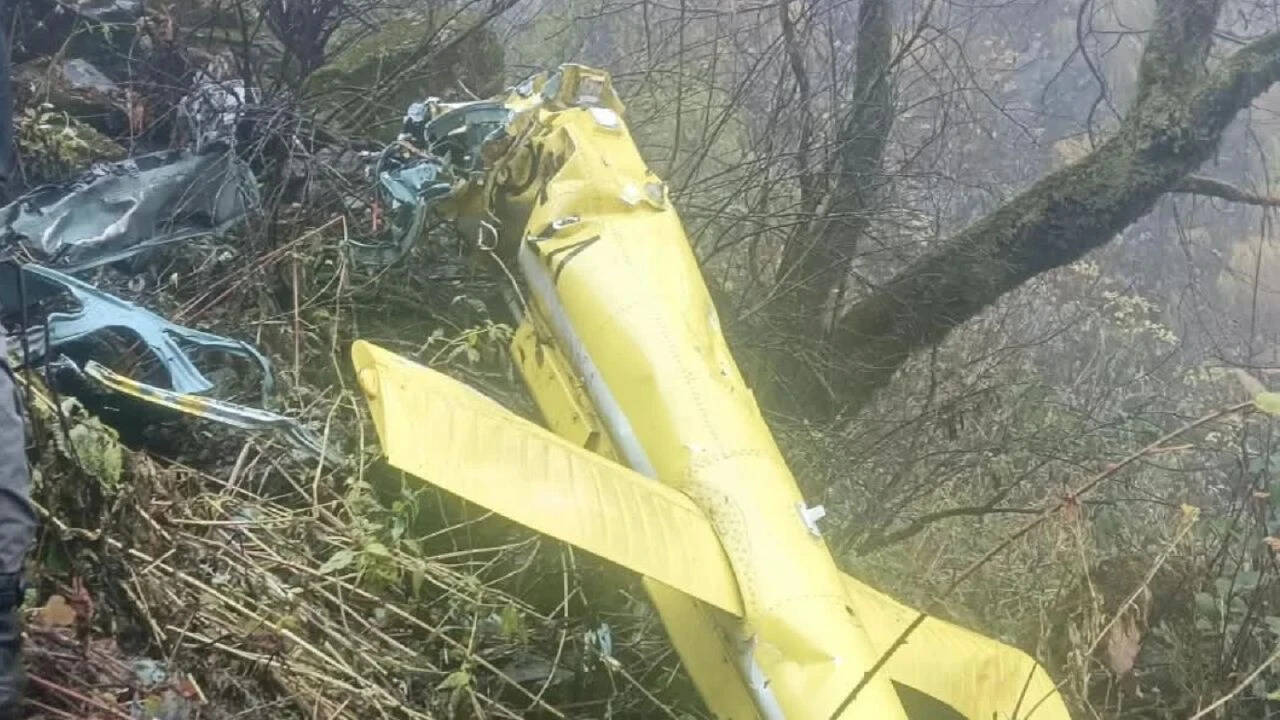
A recent helicopter crash involving pilgrims on the Char Dham route has drawn attention to safety concerns that a parliamentary panel has flagged but has not yet been acted upon. The panel, led by JDU MP Sanjay Jha, has identified a range of problems, from a “responsibility vacuum” that dilutes accountability to a “pressure culture” that allows commercial interests to override weather restrictions. It has described the situation as symptomatic of a larger structural flaw in India’s aviation governance, citing a fractured and ambiguous regulatory command structure. The DGCA has transferred direct oversight of one of the country’s most hazardous aviation zones to the Uttarakhand Civil Aviation Development Authority (UCADA), whose capacity and expertise are under scrutiny. The panel argues that this two‑tiered safety system, with differing levels of scrutiny, is inherently unsafe and unsustainable. After a series of helicopter crashes on the Char Dham route last year, the committee consulted experts and stakeholders—including the aviation ministry, DGCA and private operators—to investigate the causes and provide recommendations. Those recommendations have reportedly not yet been implemented. The committee also highlighted a significant regulatory gap: the lack of mandatory, terrain‑specific mountain flying training and certification for pilots operating in the treacherous Himalayan region. DGCA has expressed concern that UCADA lacks adequately trained and competent manpower for such high‑density operations, yet a specific training mandate for these unique conditions is not in place. The aviation ministry has acknowledged the high‑risk operational environment, marked by challenging topography, rapidly changing and often severe climatic conditions, and high‑density traffic, and has said that the inherent risks warrant immediate and serious intervention.