World
Kenya Launches Registration Drive for Undocumented Burundians Amid Trader Crackdown Tensions
By Today News Hours Editorial Desk
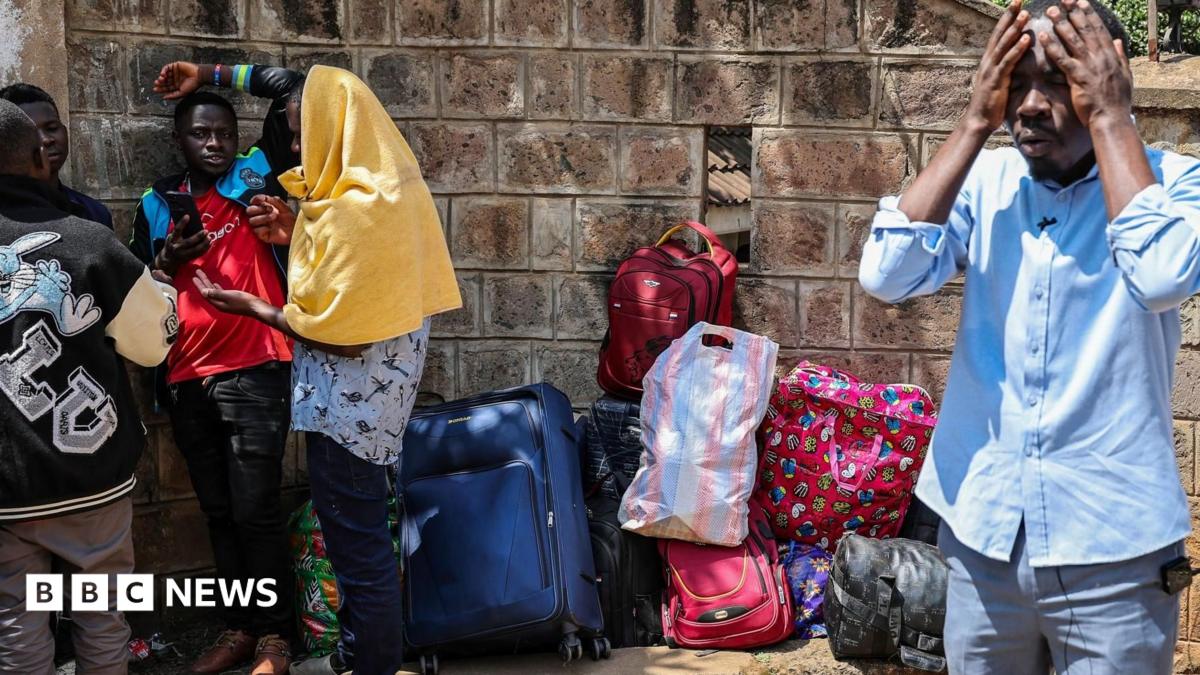
Kenya has announced plans to register undocumented Burundians and other East African nationals living in the country, following a wave of anxiety triggered by President William Ruto's directive targeting foreigners operating small businesses. On Monday, hundreds of Burundians rushed to obtain travel documents amid confusion over their ability to remain in Kenya. Government spokesperson Charles Owino said undocumented individuals should register through their respective embassies or high commissions as authorities collaborate with diplomatic missions to formalize their residency status. He noted that those undergoing registration would be considered legal residents during the process. President Ruto had set Monday as the deadline for foreign nationals running small-scale businesses to stop operating, a move that followed trade ministry concerns that some foreigners were bypassing visa regulations to work without proper permits. Long lines formed outside Burundi's embassy in Nairobi after it announced it would issue free emergency travel documents to citizens wishing to return home, while others rushed to secure bus tickets. Reports indicated that some Burundians faced hostility following Ruto's directive against foreign street vendors and small shop owners, with the president stating that such work should be reserved for Kenyans. Kenyan officials have since moved to reassure neighboring nations that no blanket ban on foreign traders exists. During a press briefing, Owino confirmed that the government had opened a registration and documentation process for foreign nationals lacking valid papers, acknowledging that historical and regional factors had left many East Africans, including Burundians, without full documentation while living and working in Kenya. "To address this constructively, the government of Kenya is establishing a formal documentation and registration window," Owino stated, urging undocumented East African nationals, particularly Burundians, to register with their embassies. He added that the Ministry of Foreign Affairs would coordinate with Burundi's embassy and regional partners to resolve these cases. Separately, senior foreign affairs official Korir Sing'oei apologized to Burundian nationals for harassment some had experienced, explaining that the president's directive had been misinterpreted. During a visit to the Burundian embassy in Nairobi, Sing'oei pledged increased security in areas populated by Burundians. Kenya hosts hundreds of thousands of migrants from across East Africa seeking employment and business opportunities. The UN refugee agency estimates approximately 16,000 Burundian refugees and asylum seekers reside in Kenya, though the number engaged in small-scale trade remains unclear. On Monday, several Burundians were seen carrying belongings, including suitcases and mattresses, in attempts to leave the country, though some said they lacked funds for travel and appealed for an extended deadline. Ruto's directive mirrors a similar crackdown in Tanzania last year and growing anti-migrant sentiment in South Africa. Burundi's Foreign Affairs Minister Edouard Bizimana warned on social media platform X that Kenyans in Burundi had been living peacefully, but cautioned that continued hostility toward Burundians could change that situation, adding that Kenya's government bore responsibility for the safety of Burundians in its territory. Ruto had maintained that while Kenya welcomed foreign investment, it was unacceptable for individuals from countries like China to operate as hawkers or small shop owners, arguing that investors should focus on job creation and production expansion rather than competing with Kenyans in small enterprises. His remarks drew mixed reactions, with critics calling them a populist tactic that risked fueling xenophobia—an accusation government officials have denied. Some foreign nationals reported fearing for their safety, prompting police warnings against targeting them. Bizimana convened an urgent meeting with East African Community representatives, a regional bloc promoting economic integration that includes both Kenya and Burundi. He said he had requested Kenya's ambassador relay Burundi's concerns and ensure no Burundian faced abuse. Alexis Ntinanirwa, head of the Association of Burundians living in Kenya, expressed disappointment over Ruto's decision but urged fellow Burundians to remain calm. He warned the dispute could have broader regional implications, noting that Kenyans also operate small businesses in Burundi, Tanzania, and Uganda, and advised Burundian traders to avoid confrontations with police.