India
Indian Railways Modernisation: Infrastructure Upgrades Outpace Passenger Experience
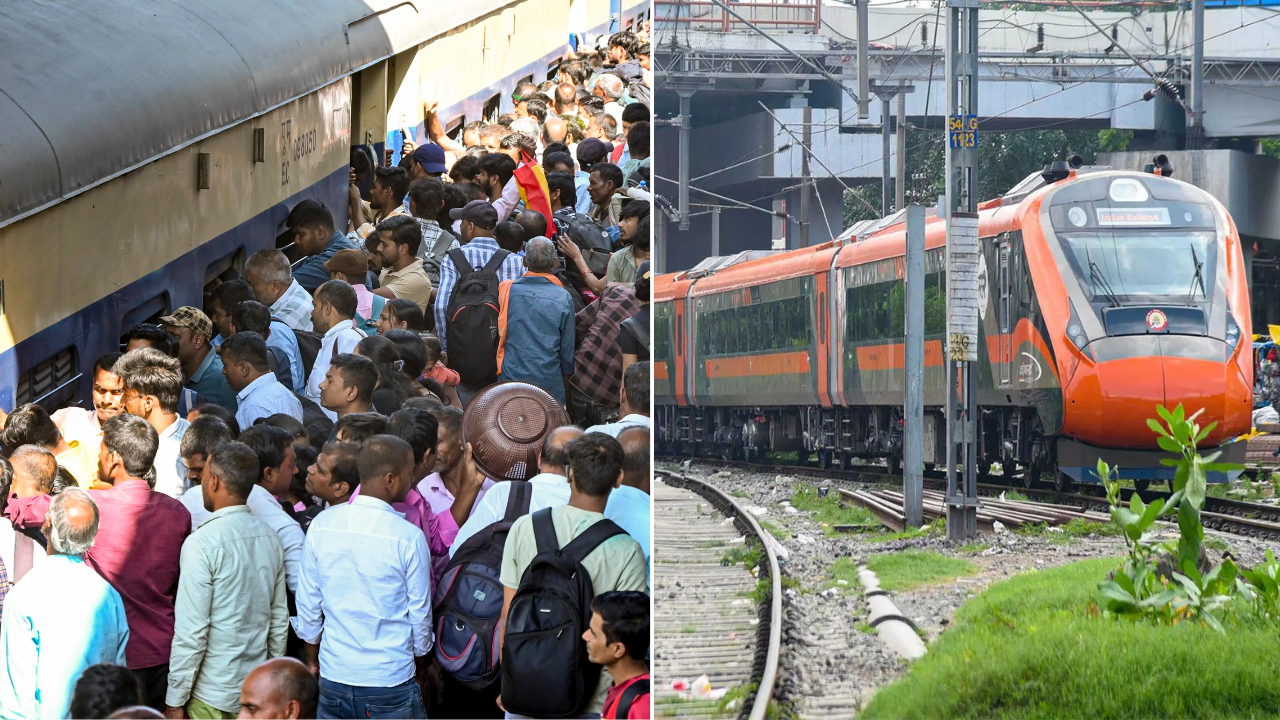
Indian Railways has invested heavily in modernising its network, with new trains, redeveloped stations and upgraded infrastructure. Yet the extent to which passengers feel the benefits remains uncertain.
The Amrit Bharat Station Scheme has identified 1,337 stations for redevelopment by December 2025. As of that deadline, 155 stations have been completed, according to the Ministry of Railways. The programme aims to improve station buildings, waiting halls, toilets, seating, drinking‑water facilities, platforms, foot‑overbridges, lifts, escalators and passenger information systems. It also seeks better station access, integration with surrounding transport, facilities for passengers with disabilities and local product spaces under the One Station One Product initiative.
Railway Minister Ashwini Vaishnaw has highlighted the difficulty of carrying out major construction without shutting down busy stations. Work near operational tracks, shifting utilities, statutory clearances and safety restrictions can affect project schedules.
The Vande Bharat Express has become a symbol of a contemporary railway experience. In 2025‑26, nearly 3.98 crore passengers travelled on Vande Bharat services, up from 2.97 crore in 2024‑25, a 34% increase. Since its introduction, the service has carried more than 9.1 crore passengers over about one lakh trips, according to a ministry statement issued in April 2026. A sleeper version launched in January 2026 carried 1.21 lakh passengers over 119 trips in its first three months, with occupancy exceeding 100%.
A railway official, speaking to the Times of India on condition of anonymity, said newer trains such as Vande Bharat and Amrit Bharat are being introduced using push‑pull technology, offering passengers improved facilities, and that the work undertaken over the past few years is gradually beginning to show results.
The Comptroller and Auditor General’s Report No. 31 of 2026, tabled in Parliament on 12 August, examined passenger amenities and sanitation at non‑suburban stations. Of the 512 stations covered, 458 had deficiencies in one or more essential passenger amenities. Deficiencies involved basic facilities such as toilets, urinals and drinking water. The audit also found E. coli contamination in water samples collected from coolers at eight locations, raising concerns about the safety of drinking water.
Punctuality improved from 73.62% in 2023‑24 to 77.12% in 2024‑25, reaching 77.24% in 2025‑26 up to February 2026. The ministry said the network operates around 25,000 trains a day and attributed delays to fog, track and route constraints, maintenance, signalling issues, agitations and other unforeseen events.
The railway official said the growing demand for passenger trains has put pressure on punctuality, and that infrastructure upgrades are being undertaken to address the issue. Dedicated freight corridors, such as the Delhi‑Mumbai Dedicated Freight Corridor, are being operated or upgraded to provide separate tracks for goods trains. Major stations are undergoing remodelling and interlocking work to reduce additional halts and delays, and sections with heavy traffic are being converted to automatic signalling systems. Fog signal devices have been installed in locomotives, and the advanced Kavach system is being deployed to improve punctuality and safety.
Crowd management has become another part of the passenger experience. The New Delhi railway station witnessed a stampede in February 2025 that killed at least 18 people. In March 2026, the railway ministry announced plans for permanent holding areas at 76 identified stations, alongside measures including access control, wider foot‑overbridges and technology‑assisted monitoring. The ministry also referred to additional ticketing facilities, drinking‑water arrangements and separate toilets at New Delhi Railway Station.
Satellite stations are being developed in large and industrial cities to reduce pressure on major stations during periods of heavy passenger movement. The Train on Demand initiative, particularly services with high‑capacity unreserved coaches, is also being promoted to accommodate more passengers through fewer trains.
The Ministry of Railways allocated Rs 12,118 crore under the customer amenities budget head for 2025‑26, with Rs 7,253 crore spent up to October that year.
Abhishek Mishra is a Digital Content Producer at The Times of India, working with the news desk. He writes with a keen eye on foreign policy, defence developments, and the shifting currents of geopolitics—and yes, Indian politics always finds a way onto his radar too.
Frequently asked questions
How many stations have been redeveloped under the Amrit Bharat Scheme?
155 stations have been completed by the December 2025 deadline, out of 1,337 stations planned for redevelopment.
What was the passenger count on Vande Bharat Express in 2025‑26?
Nearly 3.98 crore passengers travelled on Vande Bharat services during the 2025‑26 period.