World
Ukraine's Top Prosecutor Steps Down Amid Call Centre Money-Laundering Probe
By Today News Hours Editorial Desk
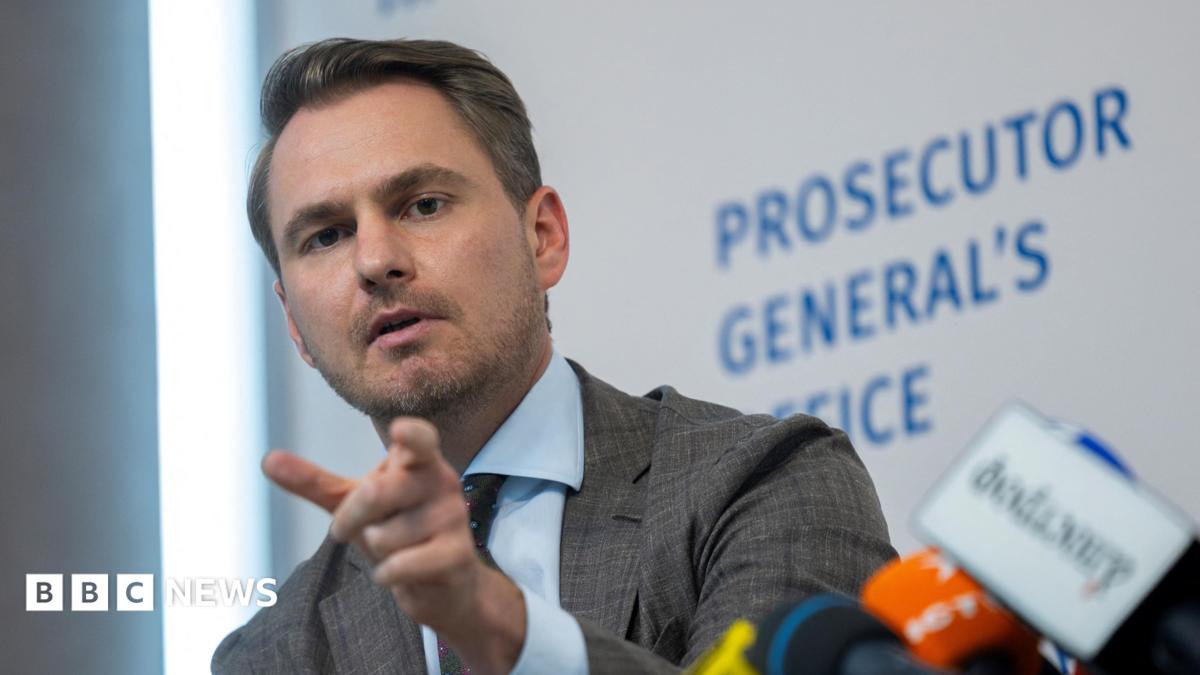
Ukraine's chief prosecutor, Ruslan Kravchenko, has resigned following corruption allegations tied to illegal call centre operations in the country. His departure comes after anti-corruption investigators searched his offices over the weekend, saying they had uncovered a money-laundering scheme allegedly run by an official within his department.
In a resignation letter, Kravchenko stated he did not want his position exploited as a "tool for political confrontation," reiterating an earlier statement in which he dismissed the accusations as "unsubstantiated."
Corruption controversies have repeatedly affected Kyiv throughout the war with Russia, with allegations previously directed at figures close to President Volodymyr Zelensky.
According to Ukraine's National Anti-Corruption Bureau (Nabu) and the Specialised Anti-Corruption Prosecutor's Office (Sap), the network operating within Kravchenko's office accepted payments to shield call centres running phone scams, laundering millions of dollars in the process. Investigators say the proceeds were used to purchase property, jewelry, and other valuable assets.
On Sunday evening, Kravchenko issued a statement denying the allegations entirely, calling them "completely unsubstantiated" and rejecting any wrongdoing. The following day, he submitted his resignation, expressing gratitude to President Zelensky and the Ukrainian parliament for their "trust." As of now, Zelensky has not publicly addressed the resignation.
Despite Nabu and Sap having been established over ten years ago to combat corruption, the issue remains widespread in Ukraine. Earlier in 2025, nationwide demonstrations erupted after Zelensky attempted to introduce reforms that would have reduced the independence of these two anti-corruption agencies. The move drew concern from Ukraine's European allies, with G7 ambassadors warning it could jeopardize the country's path toward EU membership. Ukraine holds EU candidate status, granted on the condition that it demonstrates a genuine commitment to fighting corruption.
Following public backlash, Zelensky restored the independence of Nabu and Sap, though doubts about his dedication to anti-corruption efforts have persisted.
Last month, Nabu revealed a separate scheme involving the alleged misappropriation of more than $3 million (£2.2 million) in Ukrainian currency, reportedly used to pay bail for a former energy minister facing money-laundering charges. A senior official in Zelensky's administration linked to the case was subsequently dismissed.
In an interview with the BBC last month, Ukraine's former defence minister, Mykhailo Fedorov, said President Zelensky should be questioned about his awareness of possible corruption among close aides. "Let him answer this question... I believe he's ready for such questions. It's his responsibility to tell us whether he was aware of all that or not. I don't want to make any assumptions," Fedorov said.
During his tenure, the 35-year-old Fedorov was recognized for leading anti-corruption efforts. Since his dismissal in mid-July—reportedly following a disagreement with the head of Ukraine's armed forces—he has spoken out against what he describes as a "systemic crisis of governance" in the country. However, he has stressed that he has no evidence directly implicating Zelensky in corruption. "In all the time that I worked with him, not a single time have I received from him any task or assignment that would go against the law or my sense of integrity," Fedorov told the BBC.