World
Nepal Vows Legal Action Against Online Trolls Targeting Flood Victims' Families
By Today News Hours Editorial Desk
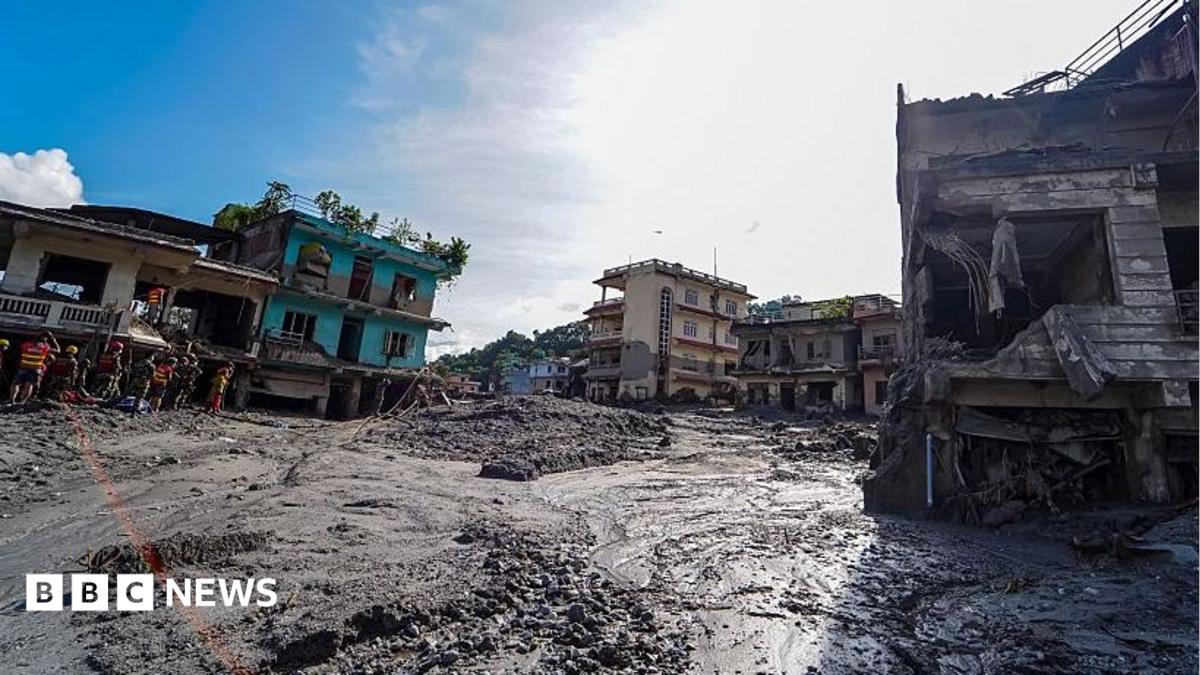
Nepal's government has launched a crackdown on online harassment aimed at survivors and relatives of victims from last month's deadly floods. Prime Minister Balendra Shah stated that authorities would show no tolerance for individuals who mock or add to the suffering of those affected by the disaster.
Many relatives have turned to social media seeking information about missing family members and calling for more effective search and rescue operations, but have instead faced a wave of hostile and abusive comments. In a Facebook post, Shah described such behavior as criminal, saying those who make hurtful remarks or intensify the pain of grieving families during this sensitive period should be held accountable.
Nepali police confirmed they are investigating the origins of these comments, working to trace the addresses and phone numbers of those responsible. A special ten-member committee has been formed to review the abusive posts.
One woman, whose brother has been missing since the floods struck two weeks ago, told the BBC that rescue operations were too slow, suggesting that quicker mobilization of experts and equipment might have led to faster news about missing loved ones. She said her family still hopes to find her brother alive. However, days later, she reported receiving numerous cruel comments after criticizing the government's response, saying the abuse had deepened her family's pain during an already difficult time.
In another case, a young woman voiced frustration over what she called a lack of urgency in the search for her missing husband. In a video that went viral, she asked whether authorities could at least locate her husband's body if they were unable to find him alive. The video drew a mix of reactions, including insulting comments telling her to join the search herself, alongside others defending her and condemning the cruelty of such remarks, emphasizing that victims deserve comfort rather than blame.
Under Nepal's Electronic Transactions Act, individuals found guilty of using social media to defame or harass others could face up to five years in prison, a fine of up to 100,000 rupees (about $662 or £490), or both.
Dovan Rai, executive director of Body & Data, a Nepal-based organization promoting safe digital spaces, suggested that some of the harmful comments may stem from “rage baiting,” a tactic used to provoke outrage and attract engagement online. She also noted that some remarks could come from strong government supporters, adding that extreme partisanship has further polarized public discussion on social media platforms in Nepal.