Law & Justice
Madras High Court Upholds Right to Protest While Limiting Targeted Attacks on Judges
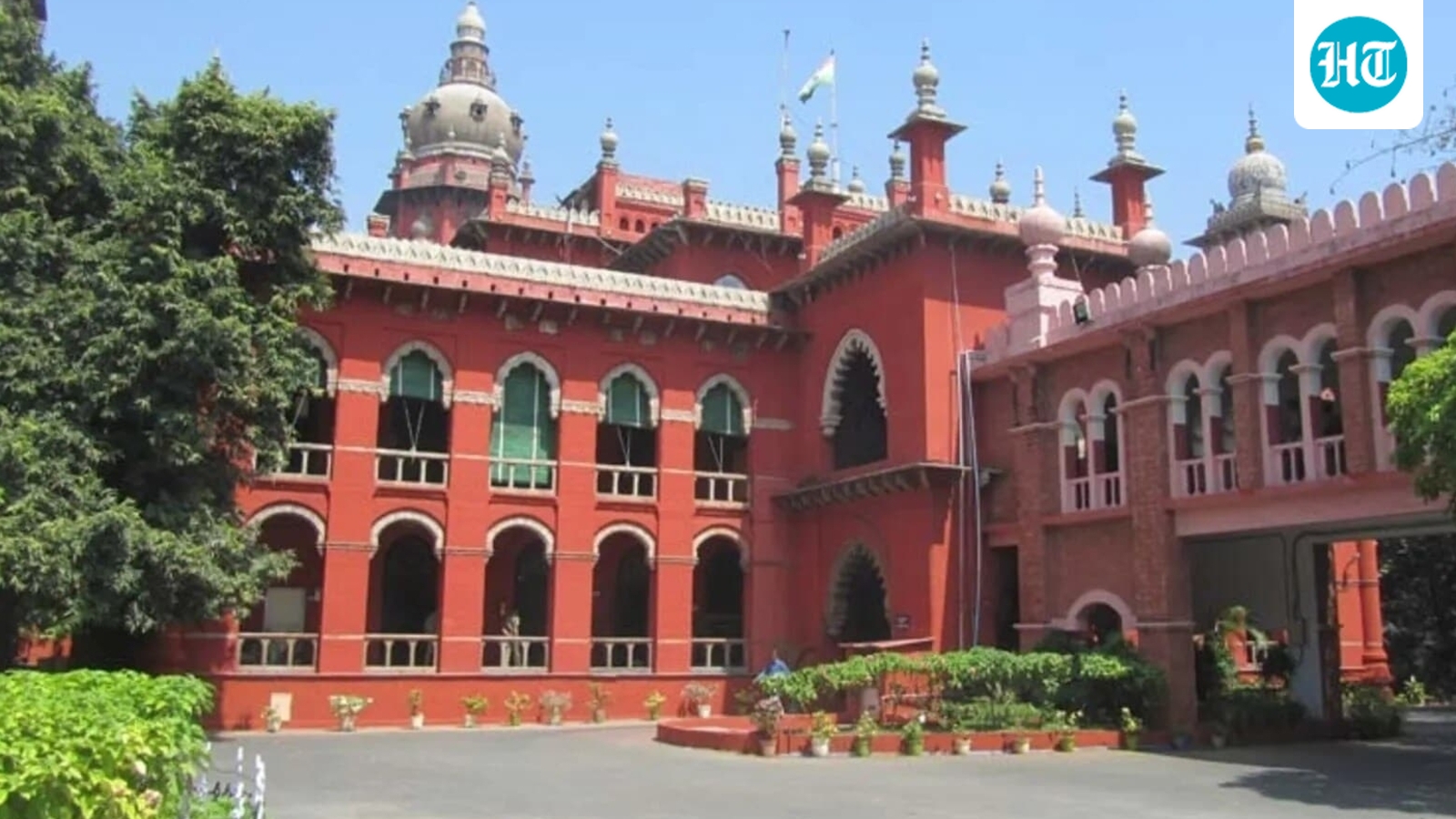
The Madras High Court, in an order dated Friday, October 30, directed authorities to evaluate requests for meetings, marches or protests related to judicial matters on a case‑by‑case basis, citing powers under the Bharatiya Nagarik Suraksha Sanhita (BNSS) and local police laws. The court rejected a blanket ban on public discussions or peaceful gatherings concerning court rulings, stating such a measure would be excessive and infringe on democratic expression.
However, the court ordered the state and police in Tamil Nadu to deny permission for any gathering that personally targets a sitting judge. It also instructed the Cyber Crime Division of the Tamil Nadu police to monitor digital platforms to prevent online content that could amount to criminal intimidation directed at judges. The police were further directed to complete investigations into two criminal cases linked to protests against a Madurai Bench judgment in a fair, thorough and expeditious manner.
The order was issued while the court heard a public interest litigation filed by R Karthikeyan. The petitioner sought action against organised campaigns, public meetings, processions, demonstrations and social media publications that allegedly targeted judges and undermined judicial authority. He argued that after a June judgment by the Madurai Bench that struck down a government order on backward‑class benefits, several organisations staged protests that went beyond criticism of the ruling and turned into personal attacks on one of the judges.
Advocate Rajendran Raghavan, appearing for the petitioner, contended that while Article 19(1)(a) protects fair criticism of judicial decisions, it does not cover personal attacks or intimidation. The State Public Prosecutor, John Sathyan, countered that the petition lacked specific details and that existing BNSS provisions and the Chennai City Police Act already provided adequate powers to address public disorder.
The High Court noted that judicial independence requires judges to decide cases solely on law and facts, free from fear or external pressure. It reaffirmed that citizens have a right to disagree with a judgment but distinguished this from personal attacks on judges. Coordinated actions involving abusive, defamatory or caste‑based language directed at a sitting judge do not fall under protected free speech and are subject to reasonable restrictions under Article 19(2) of the Constitution.
The court rejected the petitioner’s claim that the police had failed to name individuals in the FIRs, stating that an FIR is not an exhaustive list of all offenders and that identification must occur during investigation. It directed the state to ensure that if a permitted assembly turns into a personal attack, officers must end it immediately and take legal action.
Frequently asked questions
What did the Madras High Court decide regarding protests about judicial matters?
The court said authorities should evaluate requests for meetings, marches or protests on a case‑by‑case basis, rejecting a blanket ban on public discussions or peaceful gatherings concerning court rulings.
What restrictions did the court impose on gatherings that target judges?
The court ordered the state and police to deny permission for any gathering that personally targets a sitting judge and instructed the Cyber Crime Division to monitor digital platforms to prevent online content that could amount to criminal intimidation directed at judges.
What did the court say about the FIRs and identification of offenders?
The court rejected the claim that police had failed to name individuals in the FIRs, stating that an FIR is not an exhaustive list of all offenders and identification must occur during investigation.