Law & Justice
Kentucky Organ Donation Case Sparks Decertification of Network for Hope
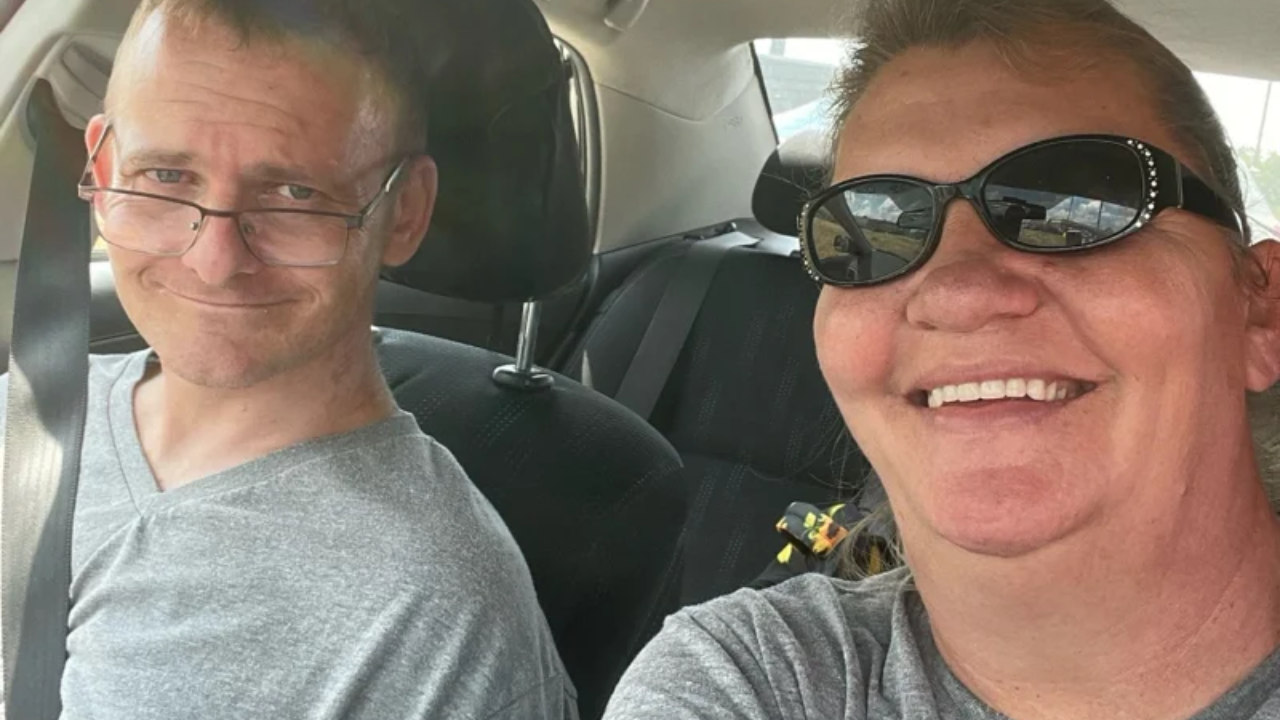
Donna Rhorer testified that her brother, Anthony Thomas “TJ” Hoover II, was taken for organ donation after a drug overdose in Kentucky in October 2021. While preparations for organ retrieval were underway, Hoover showed signs of life. Rhorer described how, during the procedure, Hoover’s eyes were open, he tracked her, and he thrashing, crying and grabbing the doctor’s hands to stop the operation. The physician eventually refused to proceed, and the organ procurement was halted. Rhorer said a coordinator later told her to find another surgeon or risk losing her job.
The case drew national attention in October 2024 when NPR and The Guardian reported witnesses who said Hoover had shown life signs during the recovery process. Former employees of the Kentucky Organ Donor Affiliates (now Network for Hope) also raised concerns about his condition.
On August 5 2026, the U.S. Department of Health and Human Services announced it had begun the process of decertifying Network for Hope after a federal review identified concerning patient‑safety practices in multiple potential donor cases. The review examined 351 cases from 2021‑2024, finding 103 with concerning features, including 73 patients who displayed neurological signs incompatible with organ donation. The findings highlighted issues with neurological assessments, communication, consent practices, and classification of causes of death, especially in drug‑overdose cases.
The Centers for Medicare and Medicaid Services said its Medicare agreement with Network for Hope would terminate on November 3 2026, pending appeal or the organization’s decision not to appeal. Network for Hope disputes some allegations, stating that it does not provide patient care or independently declare death, and that recovery can only proceed after an independent healthcare provider declares a patient dead.
Rhorer’s brother survived the aborted procedure but reports ongoing memory problems, nightmares, and confusion. His case has become part of a broader examination of patient safety and accountability in the U.S. organ donation system, amid a national shortage of organs for transplant.