India
Delhi’s Repeated Fire Tragedies Highlight Persistent Safety Failures
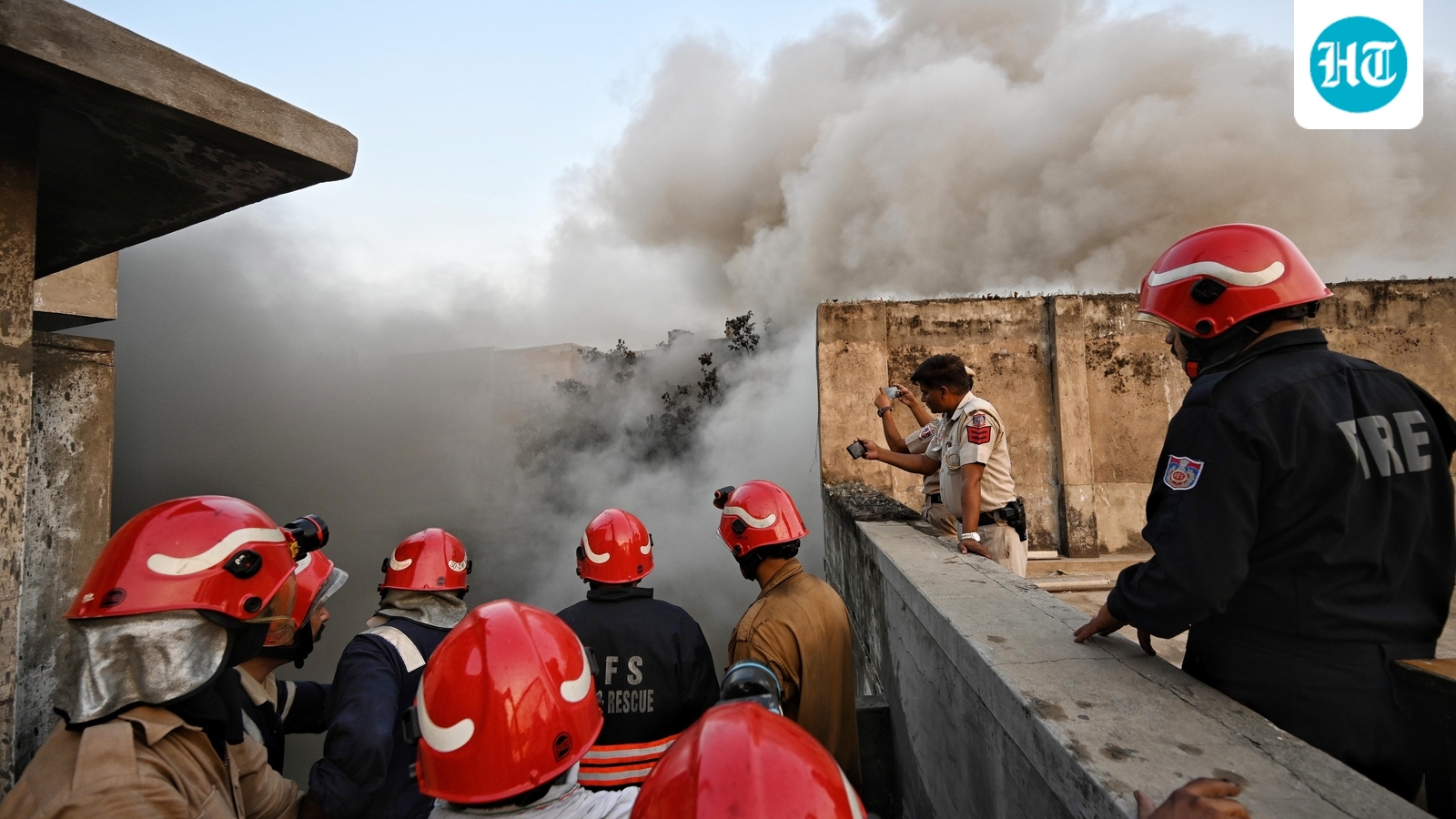
Delhi has suffered a series of severe fires in factories, hotels, hospitals and other buildings, exposing repeated violations of safety norms. The latest incident occurred on Friday night at a three‑storey shoe factory in Mangolpuri Industrial Area, Phase‑I. The blaze began around 9.30 pm in the basement. More than 20 fire tenders were deployed and firefighters fought the fire for over three hours. Six people were rescued unconscious and taken to Sanjay Gandhi Memorial Hospital; four died and two are still receiving treatment. The cause of the fire has not yet been determined.
The Mangolpuri fire follows a string of other deadly incidents in Delhi. On 3 June 2026, a fire at Flourish Stay, a bed‑and‑breakfast in Hauz Rani, killed 23 people, including 14 foreign nationals. The establishment, which was licensed for six rooms, operated 31 rooms across multiple floors and lacked a proper fire exit. A magisterial inquiry blamed the Delhi Police, the Municipal Corporation of Delhi, the tourism department and BSES Rajdhani Power Ltd for lapses in licensing and inspections.
In May 2026, a fire in Vivek Vihar killed nine people. The inquiry found that flats had been sold without occupancy certificates and that major structural alterations had been made against sanctioned plans. Restricted escape routes, a locked terrace, inadequate ventilation and congested approach lanes worsened the tragedy. The first fire tender’s water supply ran dry within minutes.
A fire at Palam on 18 March 2026 also killed nine people and revealed shortcomings in emergency response. Illegal overhead cables obstructed a Delhi Fire Services aerial platform, and there was no effective backup arrangement when the equipment failed. The probe highlighted inadequate training of personnel operating sophisticated equipment and manpower shortages in the fire service.
On 25 May 2024, a fire at a baby care centre in Vivek Vihar killed seven newborns. Twelve infants were rescued, several sustaining injuries. The incident raised serious questions about fire safety arrangements in healthcare facilities and the storage and handling of oxygen cylinders.
In May 2022, a fire in a three‑storey commercial building near Mundka Metro station killed 27 people and injured several others. The blaze started at 4.40 pm when more than 70 people were inside. The building housed commercial establishments, including an office and manufacturing units. Investigations highlighted violations of building and fire safety norms.
On 8 December 2019, a fire at an illegal manufacturing unit on Rani Jhansi Road in Anaj Mandi killed 43 workers. The five‑storey building housed several unlicensed units manufacturing bags, plastic toys and jackets. Many workers were sleeping inside when the fire broke out early in the morning. The building had very few windows and a narrow entrance, and the factory did not have a fire department no‑objection certificate.
A fire at Hotel Arpit Palace in Karol Bagh on 12 February 2019 killed 17 people. The blaze reportedly started on the first floor and spread to upper floors. An inquiry by the Delhi Fire Services pointed to a delay in alerting firefighters, the use of inflammable material in the building, complicated window‑locking systems, and non‑functional or ineffective firefighting equipment. The emergency exit was reportedly blocked with stored goods.
In January 2018, a fire at an illegal firecracker manufacturing unit in Bawana industrial area killed 17 people, including 10 women. The three‑storey factory operated in violation of safety norms, exposing concerns about illegal manufacturing activities and enforcement of fire safety regulations.
The Uphaar cinema fire in Green Park on 13 June 1997 remains one of the worst fire tragedies in the country, killing 59 people and injuring more than 100. A transformer malfunction in the basement triggered the blaze during a screening of the film Border. Blocked exits and serious fire safety violations contributed to the high death toll.
Two years later, a fire at a chemical warehouse in Lal Kuan in Old Delhi killed 57 people. Highly inflammable chemicals stored in a congested area caused the blaze to spread rapidly.
Across these incidents, recurring concerns include unauthorised construction, commercial activities in residential buildings, inadequate emergency exits, absence of fire clearances and poor enforcement of safety regulations. The latest Mangolpuri incident again highlights the need for stricter inspections and accountability to prevent another preventable tragedy.
Frequently asked questions
What happened in the latest Mangolpuri fire?
The fire began around 9:30 pm in the basement of a three‑storey shoe factory in Mangolpuri Industrial Area, Phase‑I. Over 20 fire tenders fought it for more than three hours. Six people were rescued unconscious, four died, and two are still receiving treatment.
How many people died in the Flourish Stay fire?
Twenty‑three people died, including fourteen foreign nationals.
What were the main safety failures identified across Delhi fires?
Unauthorized construction, commercial activities in residential buildings, inadequate emergency exits, absence of fire clearances, and poor enforcement of safety regulations.