India
Villagers in Gondia District Seek Removal from Maharashtra’s Drought‑Hit List
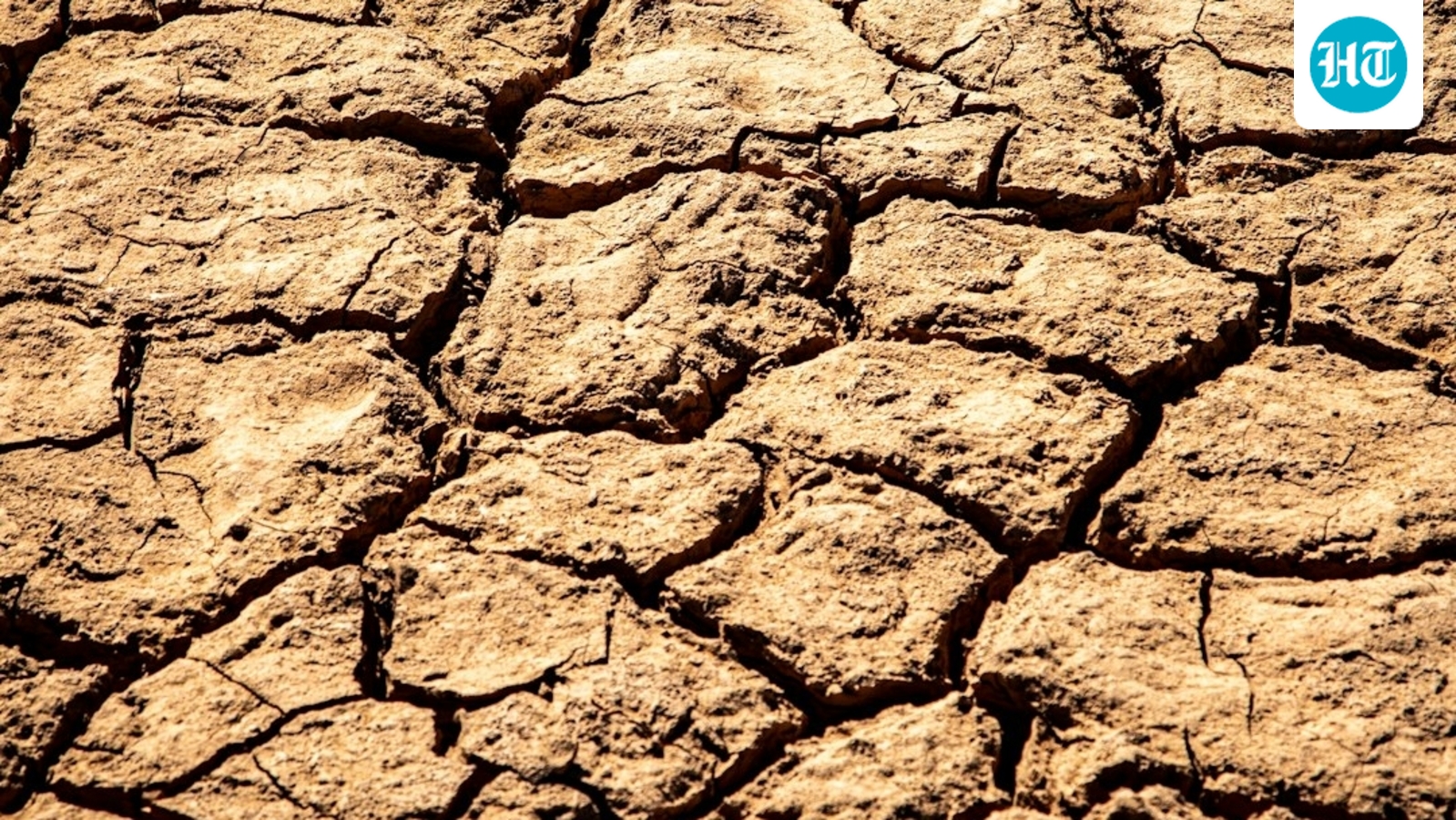
Villagers from the talukas of Arjuni Moregaon, Sadak Arjuni and Goregaon in Gondia district have asked the district collector to remove their areas from Maharashtra’s list of 304 drought‑hit talukas. They say that the classification, while providing benefits, has also imposed water cuts that restrict irrigation for rabi crops, especially paddy, which is the main crop and income source in the region. The villagers argue that the drought‑hit status has led to restrictions on dam releases, leaving canals dry for both rabi and summer crops. They also warn that reduced water availability in forests could push wild animals into villages, increasing human‑wildlife conflict.
Lalit Balbodhe, president of the Annadata Dhan Utpadak Sanghtana, told reporters that farmers have offered to forgo the ₹5,000 cash assistance announced for drought‑hit areas if irrigation supply is restored. He said the loss from being unable to grow rabi crops outweighs the benefit. Balbodhe and other farmers have met the guardian minister, Indraneel Naik, and submitted a memorandum requesting exclusion.
Gangadhar Parshuramkar of the Kisan Sanghtana said the talukas received excess rainfall and that dams overflowed during the monsoon, making the inclusion in the drought list unnecessary. Several villages have passed resolutions in gram sabhas supporting the demand for exclusion.
The state government last month directed district administrations to monitor water use strictly, imposing a minimum 10% water cut from 16 October 2026. Reservoir water must be reserved for drinking until 31 August 2027, with an additional 10% emergency buffer. Irrigation releases are allowed only after drinking‑water, livestock and fodder needs are met, prioritising rabi foodgrains and fodder. Industries are required to reuse or recycle at least 30% of their water, and treated wastewater may replace fresh water for gardening, construction and washing. In some dams, water has been reserved exclusively for drinking, leaving no canal supply for rabi crops.
Authorities have been instructed to act against unauthorised withdrawals from dams, rivers and canals. As of now, 32 of Maharashtra’s 36 districts are facing drought conditions due to deficient rainfall. Although the government has extended 12 benefits and concessions to the 304 drought‑hit talukas, the restrictions on irrigation supply have affected farming even in areas that received adequate rainfall. An official from Mantralaya noted that some talukas added on 28 October to the initial list of 265 were included under political pressure, and that two talukas in Nanded were included despite not meeting the criteria.
Resident deputy collector Bhayyasaheb Behere said, “We have received the memorandums and an appropriate call will be taken.”
Frequently asked questions
Which talukas in Gondia district are seeking removal from Maharashtra's drought‑hit list?
Arjuni Moregaon, Sadak Arjuni, and Goregaon talukas.
Why do villagers want to be removed from the drought‑hit list?
They say the classification imposes water cuts that restrict irrigation for rabi crops, especially paddy, and leads to dry canals.
What benefit has been offered to drought‑hit areas that farmers are willing to forgo?
The government announced ₹5,000 cash assistance for drought‑hit areas, which farmers offered to forgo if irrigation supply is restored.