World
Funerals of Houthi Fighters Highlight Growing Burden on Yemen’s Families
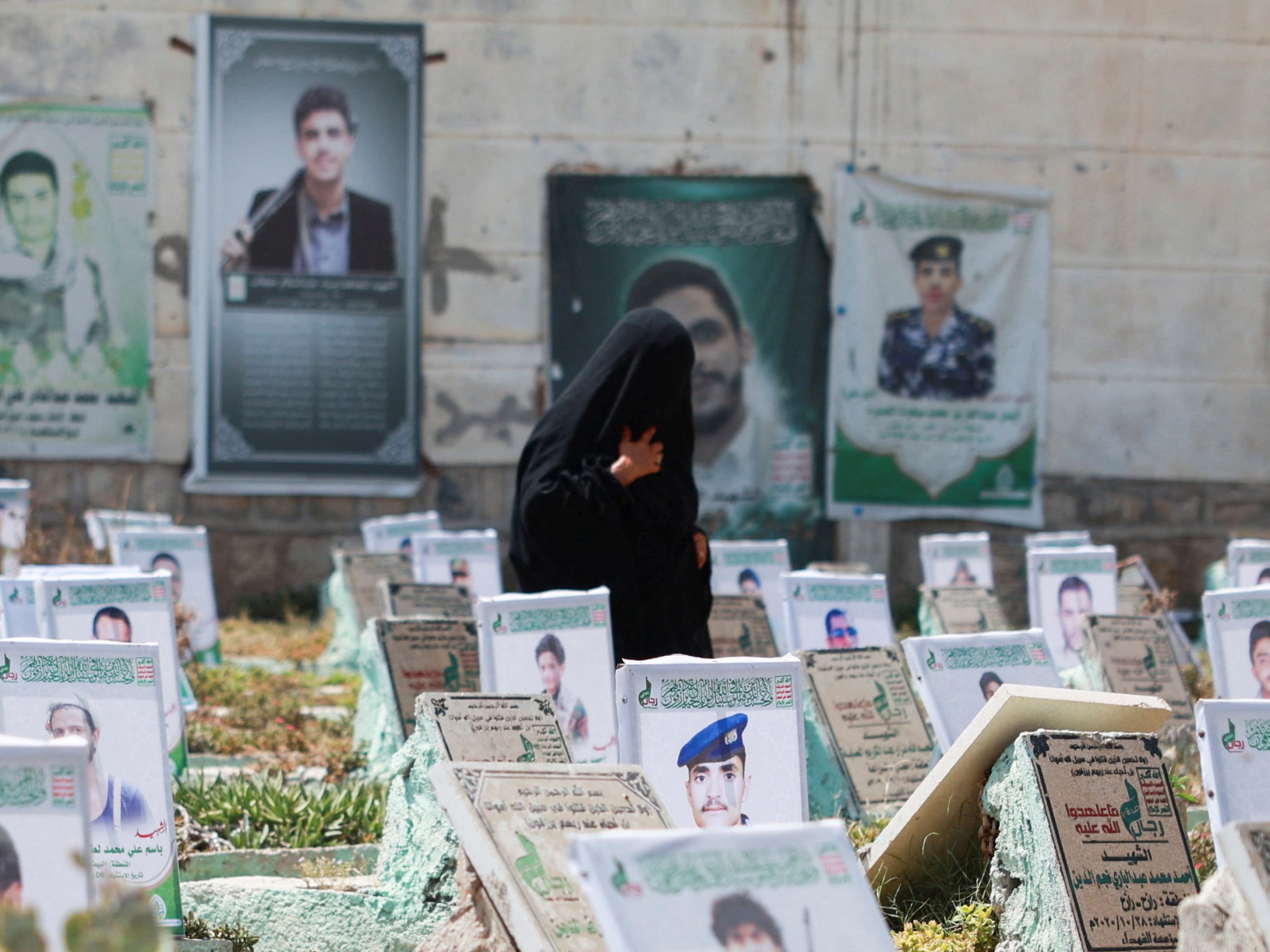
In Sanaa, Yemen, pickups carrying the bodies of Houthi fighters are often accompanied by gunmen as they travel to the cemetery, where mourners pay respects and show solidarity. The funerals have become a frequent sight in recent weeks. Earlier this month, the Yemeni government reported that its forces killed or wounded 1,540 Houthis in 24 hours. Since October 5, it said 16,100 Houthi operatives and commanders had been killed or wounded. Houthis have also killed hundreds of pro‑government troops, including a missile attack on a security camp in Shabwa on October 19 that killed more than 70 government soldiers.
Families of the deceased fighters receive only brief public tributes, while their grief and economic hardship continue. Akram, a 23‑year‑old resident of Sanaa, told Al Jazeera that the death of his 21‑year‑old brother Abdulaziz on October 10 left the family without its main income source. Abdulaziz had been recruited two months earlier and worked with his brother in construction or agriculture, pooling earnings to support their six‑member household. Without him, Akram says the family struggles to cover water, electricity and food.
Petrol and diesel prices have risen 10 percent in Houthi‑controlled northwestern Yemen, adding to the cost of basic goods. “When it comes to paying the fees for water, electricity, or buying groceries, it does not matter if your relative is a martyr or not. You have to pay or starve to death,” Akram said.
The conflict between Saudi‑backed government forces and the Iran‑aligned Houthi group has escalated in recent months, threatening food security. Matthew Hollingworth, World Food Programme Assistant Executive Director for Programme Operations, warned of a growing hunger crisis.
Houthi authorities have given families food baskets that include flour, cooking oil, rice and sugar, but the supply is irregular. Ali Yahia, a 55‑year‑old father of a deceased fighter, said he receives baskets only a few times a year and believes a monthly stipend of at least $200 would help families cover basics.
The World Food Programme reports that 18.3 million people in Yemen face severe food insecurity and 2.2 million children under five suffer from acute malnutrition.
Houthi representative Ali Mohammed said the rising number of martyrs strains the authorities’ ability to support families. He noted that a complete Houthi victory would bring stability and better support for families, but that would take time.
On October 25, the Houthi Ministry of Youth and Sports held a Martyrs’ Day commemoration in Sanaa. Undersecretary Ali Hadban emphasized the importance of honoring sacrifices and supporting families.
UN estimates from the end of 2021 put the war‑related death toll at 377,000. The return of fighting has added to that figure. Adel Dashela, a researcher at the Sanaa Center for Strategic Studies, described the public celebration of fallen fighters as an alien practice that normalises violence and encourages children to risk their lives. He argued that such displays do not alleviate families’ suffering, which remains a social, psychological and financial burden. Women and children often assume responsibility for supporting their families after the loss of a breadwinner, while public celebrations remain detached from their everyday realities.
Frequently asked questions
How many Houthi fighters were reported killed or wounded by the Yemeni government in 24 hours earlier this month?
1,540 Houthis were killed or wounded in 24 hours.
What monthly stipend do families suggest would help cover basics?
Families suggest a monthly stipend of at least $200 would help cover basics.