India
AISA’s Neha Bora Declines Peace Bond Amid Delhi Protest Clampdown
By Kunal Varma
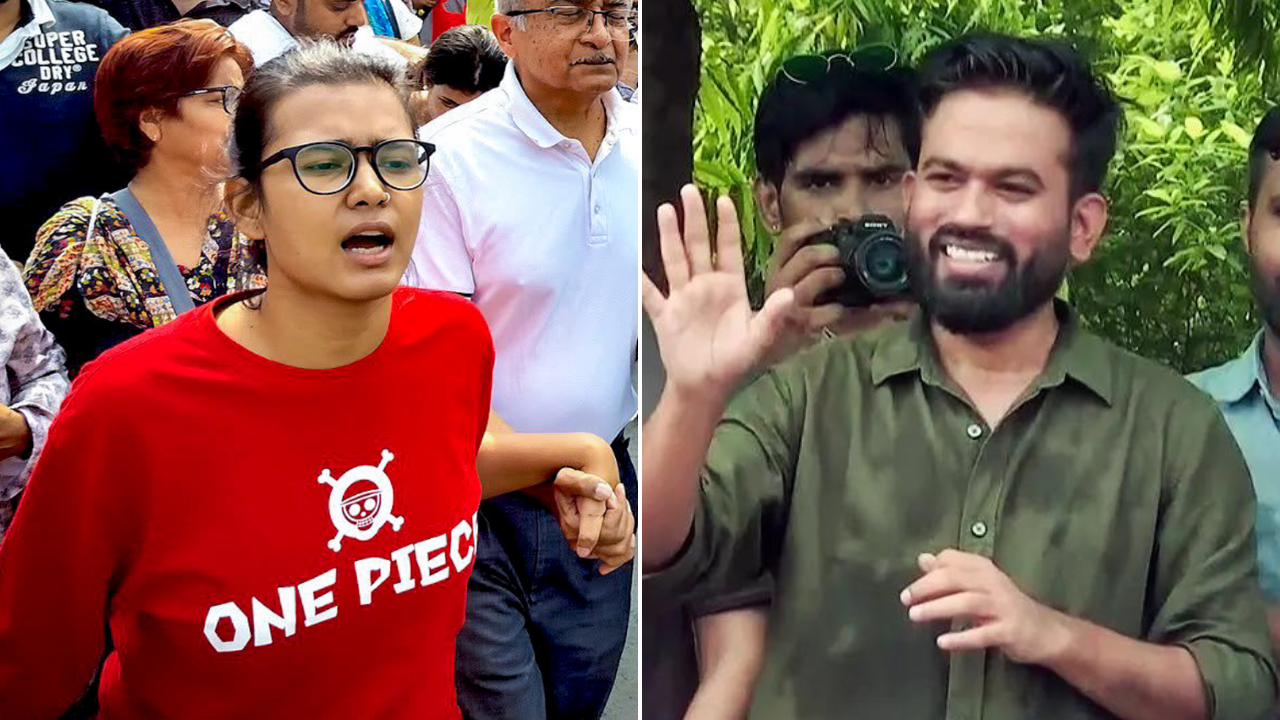
AISA president Neha Bora said that her organization would not participate in normalising the signing of peace bonds, a stance that highlighted the contrast between the Jantar Mantar 2.0 protests against the SIR and the “vote chori” movement. Bora refused to sign a peace bond before a special executive magistrate and challenged the police action, arguing that peace bonds are being weaponised to curb democratic protests. She said, “Signing such peace bonds is no less than signing away our democratic right to dissent.” Bora has not yet signed the bond and is awaiting copies of six FIRs cited as her criminal antecedents in the peace‑bond proceedings. She also demanded that all documents relied upon in the show‑cause notice be provided.
On October 10, the CJP’s call for Jantar Mantar 2.0 drew national attention. CJP founder Abhijeet Dipke, along with associates Ashutosh Ranka and Sourav Das, led a youth mobilisation against the NEET paper leak earlier in the year, which had forced Education Minister Dharmendra Pradhan to resign. Ahead of the October 10 protest, Delhi Police closed routes that could facilitate the movement of protesters to Jantar Mantar. The three CJP leaders were detained upon arrival in Delhi and released a day later after giving an undertaking to maintain public order. A surety bond of Rs 50,000 was furnished for the three activists for one year following their preventive arrest.
The CJP leaders made two further attempts to reclaim the streets, but were detained again and required to sign peace bonds. In contrast, AISA leader Neha Bora was detained five times between October 2 and October 11, but each time she returned to the streets to continue her protests. On October 11, Bora announced a gathering at RK Ashram Marg Metro Station, which prompted heavy police deployment and barricades. During the confrontation, police mistakenly detained another protester, believing her to be Bora. While police were focused on RK Ashram Marg, Bora appeared near Connaught Place, breaching barricades and running alongside fellow demonstrators in a viral dash.
A user on X compared Bora to CJP founder Dipke, calling her a “complete GenZ icon.” Dipke responded with a simple agreement. Bora’s presence on the streets, including walking behind Rahul Gandhi during an opposition protest, underscored her impact on street politics. The campaign against “vote chori” brought her into the spotlight, while the CJP struggled to regain a central role in the protests.
The INDIA bloc, led by the Congress, demanded the resignation of Chief Election Commissioner Gyanesh Kumar and returned to the streets from October 6 to October 9, a day before the announced CJP protest. CJP announced support for the INDIA bloc’s November 1 rally, raising questions about its political ambitions. CJP co‑founder Sourav Das advised a rethinking of strategy when youth Congress and NSUI activists were detained immediately, suggesting that the group should reassess its approach.
Frequently asked questions
Why did Neha Bora refuse to sign a peace bond?
She said signing peace bonds is weaponised to curb democratic protests and would mean signing away her democratic right to dissent.
What actions did Delhi Police take during the Jantar Mantar 2.0 protest?
Delhi Police closed routes that could facilitate the movement of protesters to Jantar Mantar, detained the CJP leaders upon arrival, and later deployed heavy police and barricades at RK Ashram Marg during Bora's gathering.
What was the outcome for the CJP leaders during the protest?
The CJP leaders were detained upon arrival, released a day later after giving an undertaking to maintain public order, and a surety bond of Rs 50,000 was furnished for them for one year following their preventive arrest. They were later detained again and required to sign peace bonds.