World
Houthi Attacks on Saudi Aramco Sites Injure 73, Stoke Fears of Wider Regional Conflict
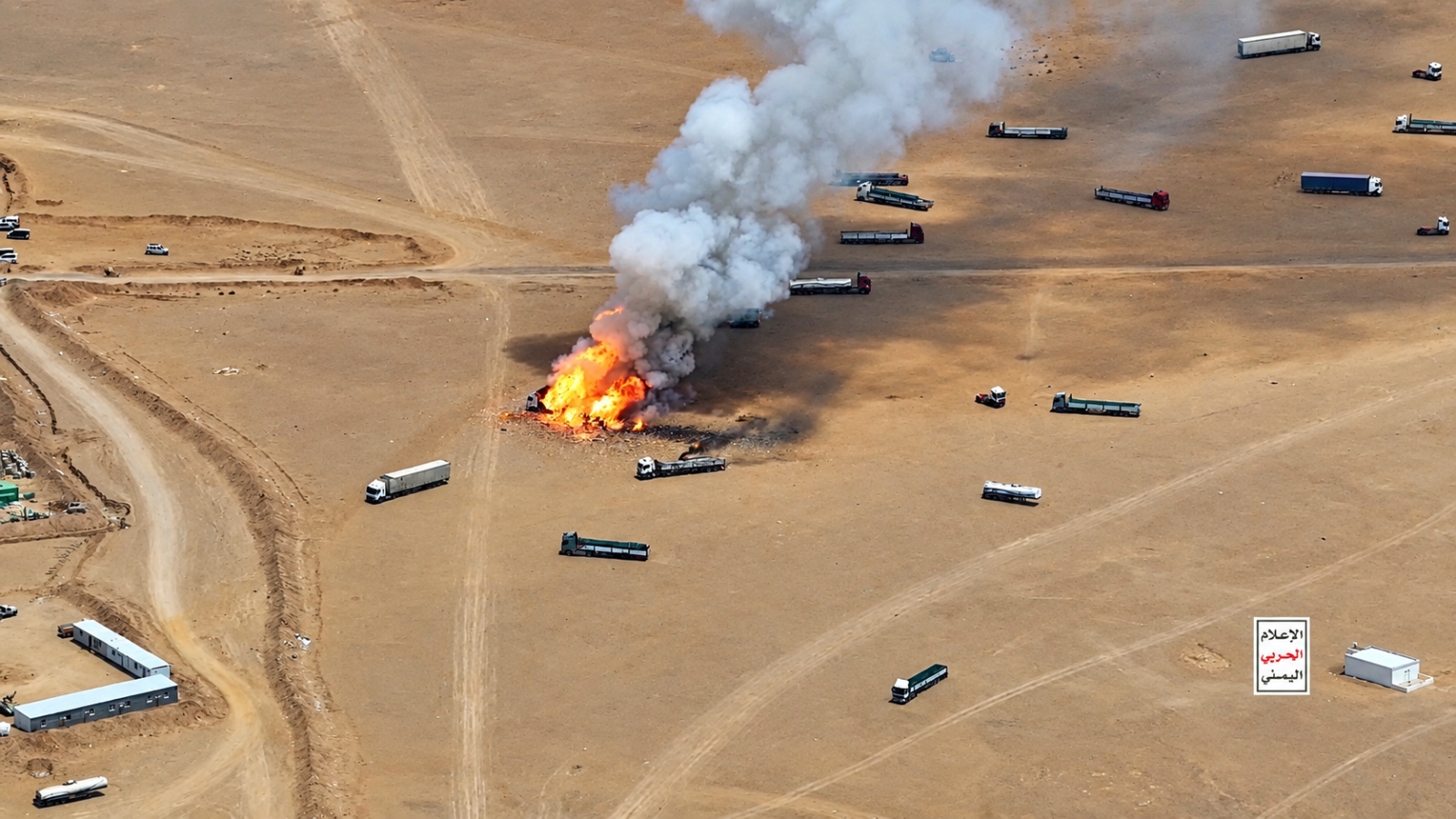
Yemen's Iran-aligned Houthi movement launched drone and ballistic missile strikes on southern Saudi Arabia on Tuesday, wounding at least 73 people and disrupting operations at several energy facilities, including those belonging to Saudi oil giant Aramco.
Colonel Turki al-Malki, spokesperson for the Saudi-led coalition in Yemen, said the attacks struck Abha, Khamis Mushait, Jazan and Najran, with women and children among the injured.
The Houthis said they had targeted Aramco facilities in Abha, Najran and Jazan, along with an air base in Khamis Mushait, using a combination of ballistic missiles and drones. Reuters was unable to independently verify the reported strike on the Jazan facility, and Aramco did not immediately respond to requests for comment.
Saudi Arabia's energy ministry confirmed that fires broke out at some energy sites and that operations at certain facilities were temporarily suspended while officials assessed the damage.
Al-Malki said the coalition would "take all necessary operational measures to deter this terrorist militia and resolutely confront its hostile approach."
The strikes follow a warning from Iran that energy infrastructure across the Gulf region, including US oil and gas interests, could face similar risks after a recent exchange of attacks on vessels in and around the Gulf.
The Houthis, who control Yemen's most populous regions and much of the country's north, declared a naval blockade against Saudi Arabia in July and have since carried out multiple attacks on the kingdom, including strikes on Saudi-linked ships in the Red Sea.
The escalation has heightened concerns over global energy supply chains. Shipping traffic through the Strait of Hormuz, a vital corridor for oil and gas exports, has slowed considerably, with only seven commodity vessels passing through on Monday, according to Kpler data cited by Reuters.
Oil prices climbed following the attacks, with Brent crude nearing $99 a barrel and US crude surpassing $94, as markets factored in the potential for further disruptions.
The developments carry particular significance for India, which sourced 13.58 percent of its crude oil imports from Saudi Arabia in the 2024-25 fiscal year. Any sustained disruption to Gulf energy supplies could raise import costs, fuel inflation and put pressure on the rupee, especially with oil prices already approaching $99 a barrel and shipping through the Strait of Hormuz significantly constrained.