World
Train Crash Shifts Focus of Spain’s Election Campaign to Safety and Governance
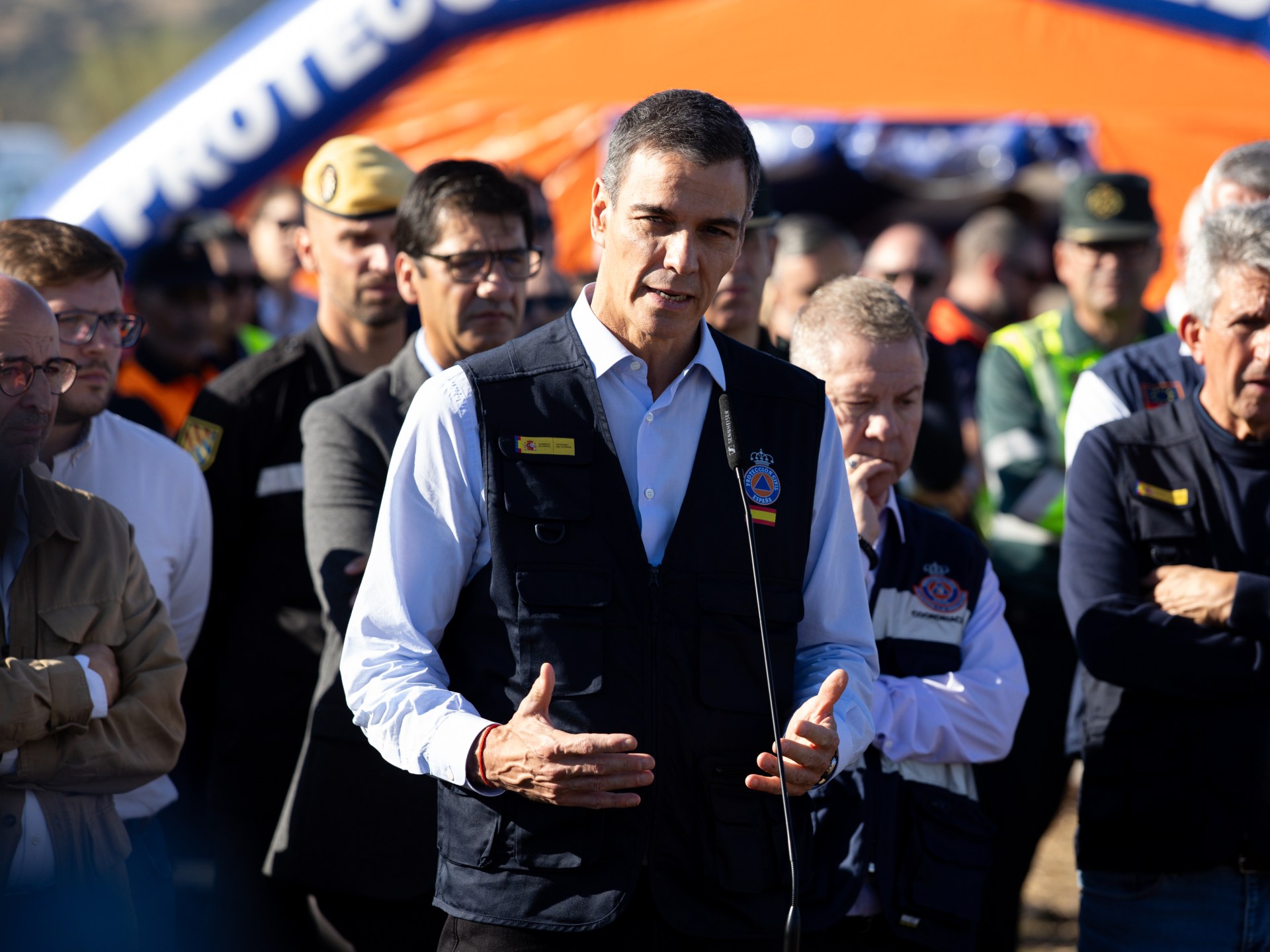
A high‑speed train collision near Toledo on Wednesday killed 69 people and has shifted the November 29 election campaign from housing to safety and government competence. Spanish Prime Minister Pedro Sánchez posted on X at 9:03 a.m. that there were “lots of reasons to be optimistic about this country,” after his Socialist Party (PSOE) had been campaigning on the housing crisis. Less than an hour later, news of the crash emerged, changing the political narrative.
The crash, which occurred at 8:53 a.m. (7:53 GMT) when a Madrid‑to‑Seville train struck the rear of a stationary train, was attributed to a failure in the LZB train‑control system that has operated on the Madrid‑Seville line since the 1990s. Transport Minister Oscar Puente dismissed claims that the accident revealed an unsafe railway system, calling it “reliable and safe” while acknowledging limits imposed by equipment and human error.
Former Adif president Isabel Pardo de Vera criticized the transition from the older LZB system to the European Rail Traffic Management System (ERTMS), raising questions about the pace of modernization and whether warnings about the network had been adequately addressed.
The incident has revived memories of other fatal accidents, including the 2013 derailment at Angrois that killed 80 people. Spain’s high‑speed rail network, which carried about 45 million passengers last year, has long been considered a flagship public service.
Political fallout has intensified scrutiny of the government’s record. The Popular Party (PP) leader Alberto Núñez Feijoo demanded accountability, saying the moment was to respect the dead and the injured while also answering tough questions. The PP suspended campaign activities for two days. Far‑right Vox leader Santiago Abascal, who is hoping to enter a coalition with the conservatives, did not suspend campaigning and accused Sánchez of criminal handling of affairs.
Hundreds of far‑right demonstrators gathered outside the Transport Ministry, demanding Sánchez’s resignation. A banner read, “Spain can’t take it anymore.”
The crash has also highlighted ongoing controversies involving Sánchez’s inner circle, including investigations into his wife Begona Gómez over alleged influence‑peddling and his brother David Sánchez over a public‑sector appointment. The government has faced criticism over border security after 80,000 migrants crossed into Ceuta in July.
Opinion polls show the PP at 31.5 percent, the PSOE at 26.7 percent, and Vox at 19.1 percent. The PSOE had been focusing on social policy and housing, but the crash has forced the party to defend its record and address questions of accountability as it seeks to win undecided left‑wing voters.
The tragedy has changed the tone of the campaign, giving the conservative opposition new grounds to challenge the government on competence and security.