Technology
Tech Giants Secure Decades‑Long Nuclear Power Deals Amid Rising Data‑Center Energy Costs
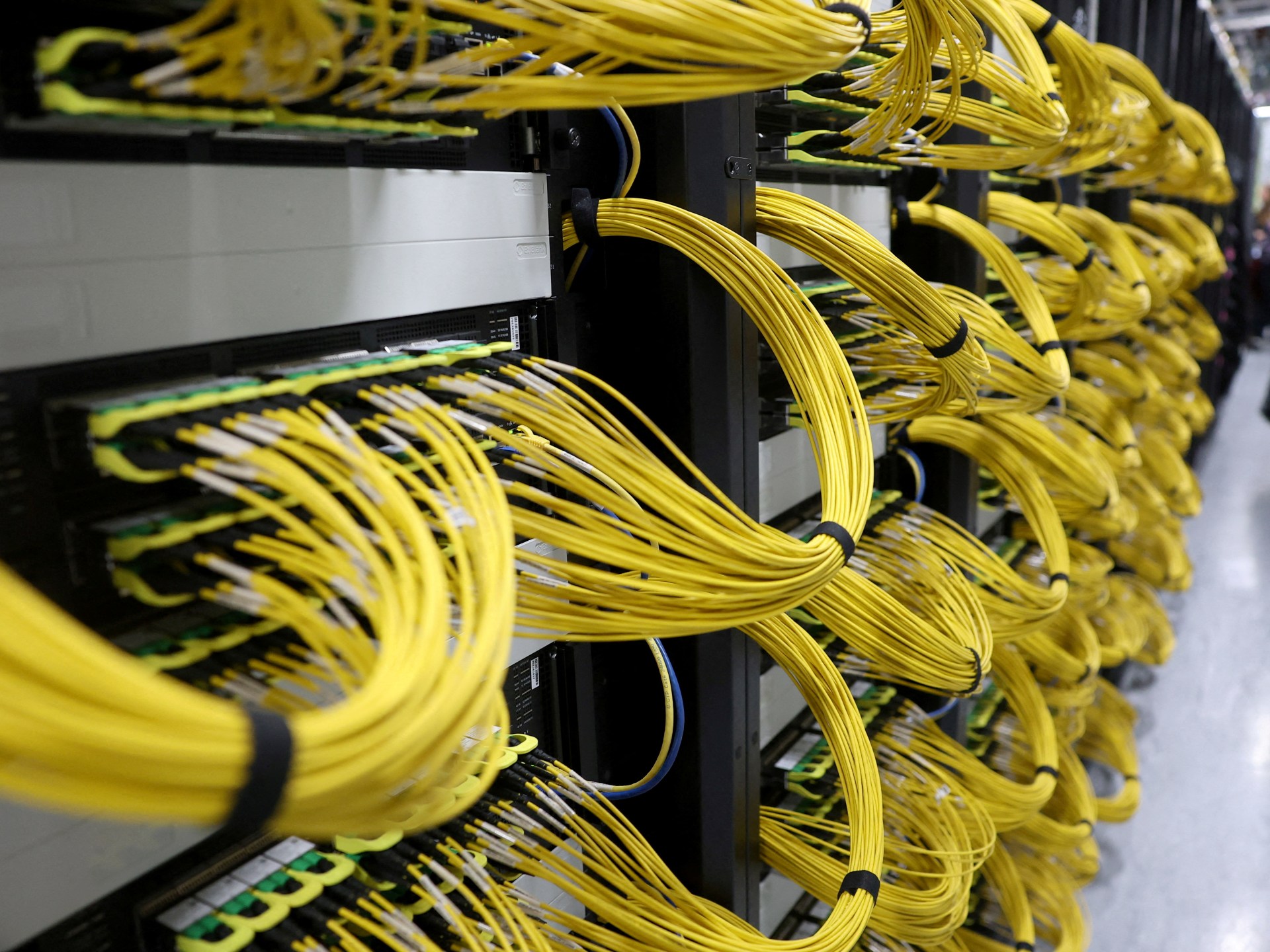
Amazon and Google have signed 20‑year contracts to purchase nuclear electricity, reflecting a shift by major cloud providers toward reliable, low‑carbon power sources for their expanding data‑center operations. Amazon will receive 690 megawatts from Constellation’s Calvert Cliffs plant in Maryland, with an additional 190 megawatts of capacity expected between 2030 and 2032. Google’s agreement will bring 890 megawatts of additional nuclear output into the United States. Constellation is investing more than $4.3 billion to upgrade 11 reactors across Illinois, Pennsylvania and New Jersey, but neither deal involves building new reactors; instead, the companies are paying to increase output from existing plants.
Historically, nuclear power had fallen out of favor after accidents at Three Mile Island (1979), Chernobyl (1986) and Fukushima (2011). Germany phased out nuclear energy and Japan shut down its reactors after Fukushima, although it has begun restarting them. Today, an undamaged reactor at Three Mile Island is being brought back into service, with Microsoft contracted to buy its output for 20 years. The U.S. Department of Energy is providing up to $4.4 billion in loans to support the restart of three shuttered plants, aiming to restore about 2.25 gigawatts. Palisades in Michigan, closed in 2022, is contracted to generate again by March 2027, potentially becoming the first U.S. commercial plant to restart after decommissioning.
In the past decade, the industry’s response to AI’s energy demands has focused on efficiency—better chips, smaller models and smarter cooling. While these advances improve performance per watt, overall electricity consumption has continued to rise. The International Energy Agency projects global data‑center electricity demand to more than double to roughly 945 terawatt‑hours by 2030, even with ongoing efficiency gains. Consequently, companies are now purchasing supply rather than relying solely on efficiency.
Large reactors require a decade or more from decision to electricity production. Tech firms are investing in small modular reactors, but most projects will not deliver power until the early 2030s. Reactor restarts and upgrades are the fastest option, yet they still lag behind the rapid pace of AI hardware development, which can become obsolete before a 20‑year contract expires.
These deals sit within PJM, the grid operator serving about 67 million people across 13 U.S. states and Washington, D.C. PJM uses capacity auctions to secure future generation resources, with costs ultimately passed to consumers. Capacity prices have reached the regulatory cap in three consecutive auctions. According to PJM’s independent market monitor, data‑center demand contributed approximately $29.4 billion in capacity costs across the four most recent auctions, with about $6.3 billion attributed to the latest auction alone. Households are already paying higher capacity charges, partly because of projected demand from facilities that may never become operational. The Natural Resources Defense Council estimates that by 2028, a typical PJM household could face an additional $70 per month in electricity costs if current trends continue.
Public dissatisfaction with data‑center electricity use is growing. Virginia has created a separate rate class for data centers, Ohio has introduced minimum billing requirements, and Illinois is debating legislation. The Google agreement aims to address this concern by requiring major new electricity consumers to bring additional generation capacity rather than compete with existing users for constrained supply. This approach is voluntary; in October 2026, U.S. federal regulators rejected most of PJM’s proposal to mandate that large new consumers provide their own generation capacity.
For Gulf countries expanding AI infrastructure, the U.S. experience offers a cautionary tale. Qatar’s sovereign fund has committed to a $20 billion joint venture with Brookfield for AI infrastructure, potentially expanding to 1.5 gigawatts. Abu Dhabi is pursuing up to five gigawatts of data‑center capacity, and Saudi Arabia targets almost two gigawatts through HUMAIN. These projects could consume a significant share of national generation capacity—Qatar’s 1.5‑gigawatt build‑out would equal about 12 percent of the country’s installed capacity. The opportunity costs of allocating electricity to AI infrastructure warrant careful consideration.
The debate in the United States centers on who ultimately bears the cost of AI electricity demands. Gulf countries have the chance to set terms—industrial tariffs, funding for new generation, contract management as hardware ages, and long‑term economic benefits—before large‑scale commitments constrain their options. The views expressed in this article are the author’s own and do not necessarily reflect Al Jazeera’s editorial stance.