India
ED Reveals Drug Syndicates Pay Myanmar Suppliers with Goods, Not Cash
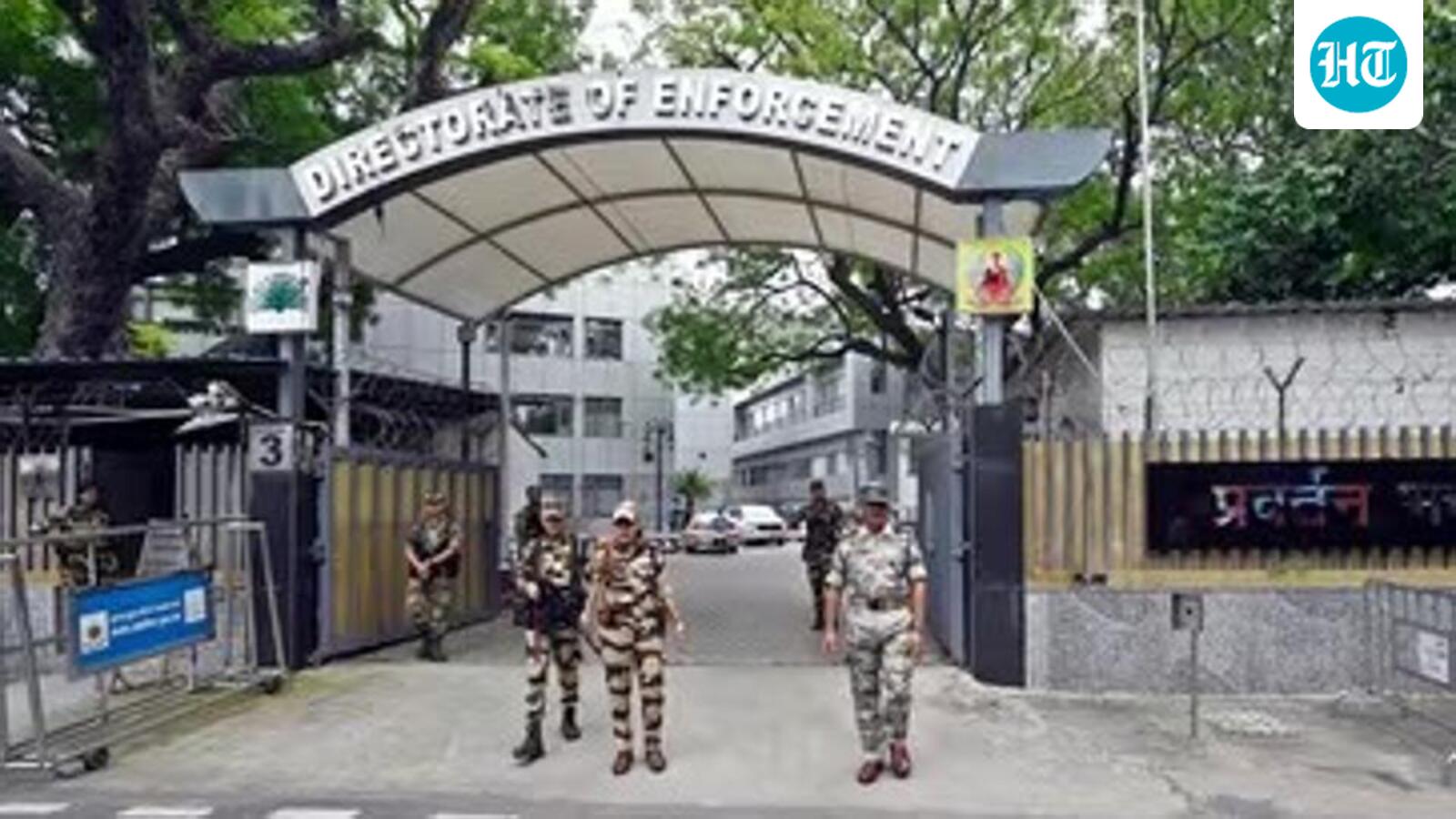
During a two‑ to three‑day probe, the Enforcement Directorate (ED) uncovered that drug syndicates on the Indian side of the border settle payments with Myanmar‑based suppliers by purchasing ordinary, commercially marketable goods—petrol and diesel, wheat flour, edible oil, groceries, medicines, footwear and clothing—and sending the products across the border. The ‘payment in kind’ arrangement prevents money from crossing the border.
The findings emerged from the ED’s investigation into the October 23 multi‑agency crackdown under ‘Operation Trident’, which involved raids at 38 locations in Assam, Mizoram and Manipur targeting an international narco‑cartel. The operation, carried out by the ED, Narcotics Control Bureau (NCB) and Mizoram police, revealed ₹100 crore worth of hawala transactions, froze 1,424 bank accounts, attached properties worth ₹22 crore, seized 500 detonators and ₹12 lakh in cash, and arrested 18 people. Union Home Minister Amit Shah described the action as a lethal blow against drugs.
A senior ED officer, who declined to be named, explained that the drug money is not only remitted through hawala in Mizoram but also converted into marketable goods that are then sent to Aizawl and other border towns before crossing into Myanmar. The drug suppliers are paid in kind, with dues settled without any money crossing the border.
A second officer detailed a five‑step process: (1) drugs sourced from Myanmar are sold for cash in Churachandpur, Champhai and other towns of Manipur and Mizoram; (2) the cash is gathered by syndicate operatives and handed to cash handlers or deposited into bank accounts provided by hawala operators; (3) the cash is placed into the banking system through mini‑ATM or customer service provider counters at Churachandpur, or via mule accounts in Mizoram, on the instructions of Myanmar‑based money exchangers; (4) the money is transferred by RTGS, NEFT or IMPC straight into the bank accounts of genuine suppliers of goods—petrol pumps, flour mills, grocery wholesalers, medicine wholesalers, footwear and cloth traders—in Mizoram, Assam, West Bengal and Delhi; (5) the suppliers raise GST invoices and e‑way bills on a different buyer—usually a trader in Aizawl or a border town such as Champhai, Zorinpui, Tlabung or Siaha—or sell in bulk to unidentified persons, and deliver the goods there. The person who pays is never the person who takes the goods. Finally, the goods are moved from the border towns into Myanmar and sold in Myanmar Kyat. The Kyat proceeds are used to settle the dues of the drug suppliers instead of paying in cash.
The banking system is used only for the Indian leg of the transaction, where the payment appears as an ordinary trade payment backed by a genuine GST invoice and e‑way bill. The cross‑border leg moves as goods and leaves no money trail. Fuel, flour and groceries have become the currency in which Myanmar‑based drug suppliers are paid.
Earlier, on October 25, the ED said that one single company had made 2,947 transfers worth ₹175.03 crore between 2024 and 2026 to mule accounts in Mizoram and settled with Myanmar through unlicensed Rupee‑Kyat exchangers in Champhai. The latest findings show a parallel channel that bypasses the exchangers altogether: by paying legitimate Indian suppliers and diverting the goods across the border, the syndicate launders the drug cash into a GST‑compliant trade payment, turns the goods themselves into the means of settling with Myanmar, and leaves no remittance, hawala entry or currency exchange for investigators to trace.
The investigation is ongoing to identify the consignees in the border towns, the persons who moved the goods across the border, the Myanmar‑based recipients of the goods, other petrol pumps, shops and suppliers paid in the same manner, the money exchangers directing the accounts, and to trace and attach further proceeds of crime.
Frequently asked questions
What goods are used as payment in the drug syndicate transactions?
The syndicates pay Myanmar suppliers with goods such as petrol and diesel, wheat flour, edible oil, groceries, medicines, footwear, and clothing.
How does the payment in kind process work according to the ED investigation?
The process involves selling drugs for cash in Manipur and Mizoram, depositing the cash via hawala or bank accounts, transferring the money to Indian suppliers, who issue GST invoices and e‑way bills, and then the goods are moved across the border to Myanmar where they are sold for Kyat.
What was Operation Trident and what were its outcomes?
Operation Trident was a multi‑agency crackdown on October 23 targeting an international narco‑cartel, involving raids at 38 locations in Assam, Mizoram and Manipur, and resulted in ₹100 crore hawala transactions, 1,424 bank accounts frozen, properties worth ₹22 crore attached, 500 detonators seized, ₹12 lakh cash seized, and 18 arrests.