World
UK to Test Emergency Call-Up of Military Veterans as Russia Tensions Rise
By Dan McDonald
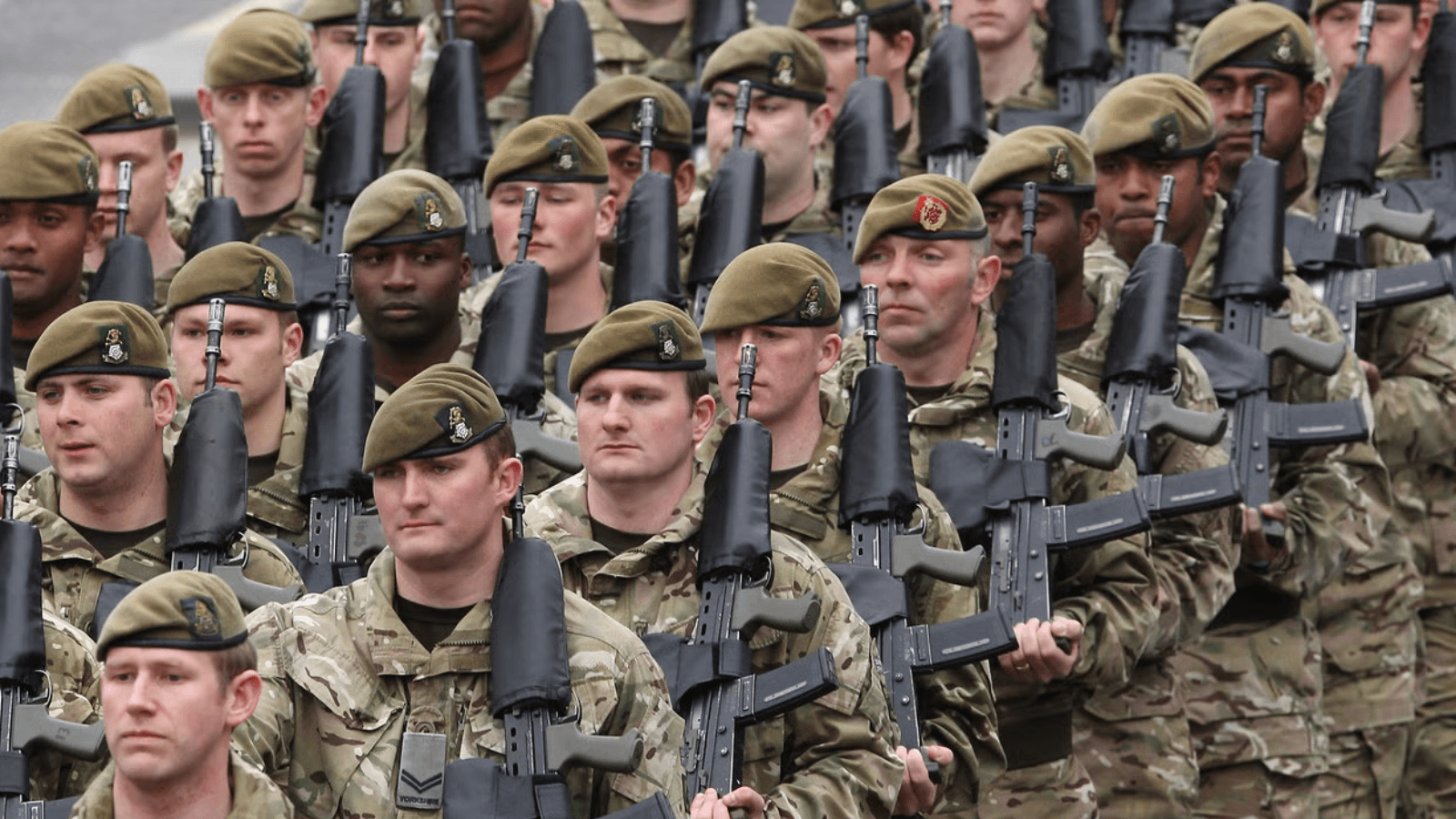
Britain is planning a large-scale exercise next year to test its ability to mobilise military veterans in response to escalating tensions with Russia. The drill will draw on the UK's strategic reserve of 95,000 former Army, Royal Navy and RAF personnel to assess whether they can be contacted, called up and equipped during a crisis.
Armed Forces Minister Louise Sandher-Jones said the reserve would be tested "on a scale we haven't seen for a long time," though the exact number of participants has not yet been finalised.
The exercise comes amid concerns from senior defence officials about the Ministry of Defence's capacity to track former service members. Lord Robertson of Port Ellen, who oversaw last year's strategic defence review, said officials did not know the whereabouts of most reservists and urged the government to identify those who are "available, fit and willing" to serve. Chief of the Defence Staff Sir Richard Knighton has similarly criticised the lack of an effective system for tracking and engaging recently discharged personnel.
Speaking to the House of Lords' national resilience committee, Sandher-Jones, a former Army officer, said the reserve would go through the full process of being called out, mobilised and equipped as part of next year's exercise programme. She acknowledged that the reserve had been "a lot less used" in recent decades, recalling that when she left the Army and learned she was part of the strategic reserve, she largely forgot about it. "We are definitely no longer in that space," she said.
The strategic reserve consists of former military personnel who can be recalled to service after leaving the Armed Forces, distinct from the UK's roughly 32,000 active reservists who serve part-time voluntarily. Under existing law, former regular and reserve officers remain liable for recall throughout their lives, and the MoD must maintain contact with ex-personnel for six years after they leave full-time duty.
The government is also broadening its mobilisation powers through the new Armed Forces Bill, raising the maximum call-up age from 55 to 65. The threshold for recalling former personnel is being lowered from situations of "national danger, great emergency or attack in the UK" to include "war-like preparations." These changes are expected to take effect next spring.
The moves come as defence planners warn that the UK could face direct confrontation with Russia before the end of the decade, amid rising tensions with NATO. Russia has threatened to strike British factories producing drones for Ukraine, while Western intelligence officials have cautioned that Moscow's sabotage activities across Europe could lead to a dangerous miscalculation and wider conflict.
Britain's regular Army currently stands at approximately 71,000 fully trained personnel, its smallest size in more than two centuries. However, there are early signs of a turnaround: the MoD reported last week that recruitment outpaced departures across the full-time forces over a full year for the first time since 2021, with the Army gaining 170 personnel, the RAF 840, and the Royal Navy and Royal Marines 440.
At the same time, questions have emerged over military readiness after reports that training for some troops in the Army's 3rd Division was cancelled due to budget cuts, including a suspension of live-firing exercises until April. Prime Minister Andy Burnham also faces pressure over Labour's defence spending commitments, with Chancellor John Healey unlikely to pledge reaching 3 percent of GDP on defence by 2030 in the upcoming Budget.
The planned mobilisation exercise is part of broader efforts to strengthen Britain's national resilience and its capacity to rapidly scale up military readiness in the event of a crisis.