Sports
NPL Opens Amid Nepal’s Flood Tragedy, Calls for Tribute and Transparency
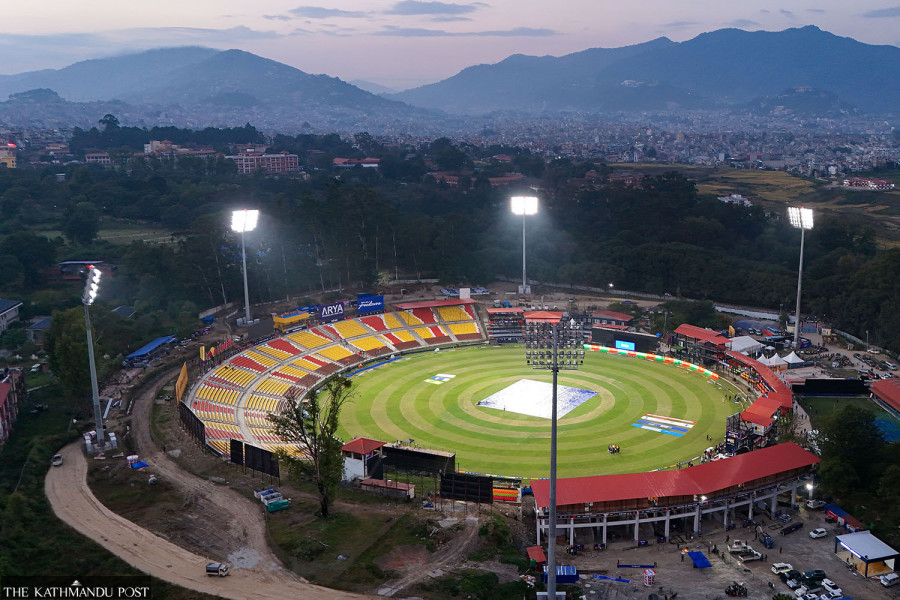
The Nepal Premier League (NPL) began its third season in Kirtipur on October 27, 2026, as the country mourns the loss of more than 1,100 people and nearly 5,000 missing after the Bhotekoshi flood that struck Rasuwa on August 26 and continued into the Tarai plains. Subsequent floods and landslides in late September left many families still awaiting news. The national festival of Dashain, normally a time of reunion, was subdued for many. In Salyan, neighbors scaled back celebrations to honor those missing in Rasuwa; in Kathmandu, 111 households from Timure spent the festival in a monastery in Swayambhu; and in Baglung, survivors of the September 27 flood celebrated without a home, told that their needs would be addressed only after Dashain and Tihar.
While cricket cannot rebuild homes, the league offers a space for collective grief and normalcy. The NPL’s previous seasons generated significant revenue—over Rs473 million in gross revenue in its second season—and provided domestic players with earnings up to Rs2 million, a level unimaginable for earlier generations. The tournament also created jobs and stimulated local businesses. With International Cricket Council recognition, a decision review system, and a broader overseas roster, the current season offers Nepali players a valuable learning environment. Sandeep Lamichhane noted that sharing a dressing room with international stars helps local players improve.
The NPL also serves as a rehearsal for upcoming events; Kathmandu will host 15 matches of the Under‑19 Women’s T20 World Cup next year, and the league’s performance will be closely observed. However, the 2022‑23 Nepal T20 League, the first franchise league organized by the Cricket Association of Nepal, faced criticism for unpaid players and spot‑fixing arrests. Recognition now brings obligations: the association must pay salaries on time, maintain transparent accounts, and enforce a credible anti‑corruption program.
Other sports in Nepal, such as volleyball and football, have seen similar patterns where overseas stars dominate while local talent improves through coaching. Franchise sports succeed when stakeholders trust the financial and competitive integrity of the league.
As the first ball is bowled today, some residents of Rasuwa and Nuwakot may be unable to watch, while others may tune in quietly for companionship. A league that acknowledges this reality—perhaps by holding a minute’s silence on opening day and pledging a share of gate receipts to the Prime Minister’s Disaster Relief Fund—would demonstrate care and earn its welcome.
The NPL’s broader importance lies in its ability to provide moments of joy amid sorrow, to support local economies, and to prepare Nepali cricketers for international competition. The country, having endured significant hardship, deserves such opportunities for good days.
Frequently asked questions
What revenue did the NPL generate in its second season?
The NPL generated over Rs473 million in gross revenue in its second season.
How many households from Timure spent Dashain in a monastery?
111 households from Timure spent the festival in a monastery in Swayambhu.
What obligations does the Cricket Association of Nepal have after ICC recognition?
The association must pay salaries on time, maintain transparent accounts, and enforce a credible anti‑corruption program.