Law & Justice
Supreme Court Calls for Balance Between Media Freedom and Citizen Privacy
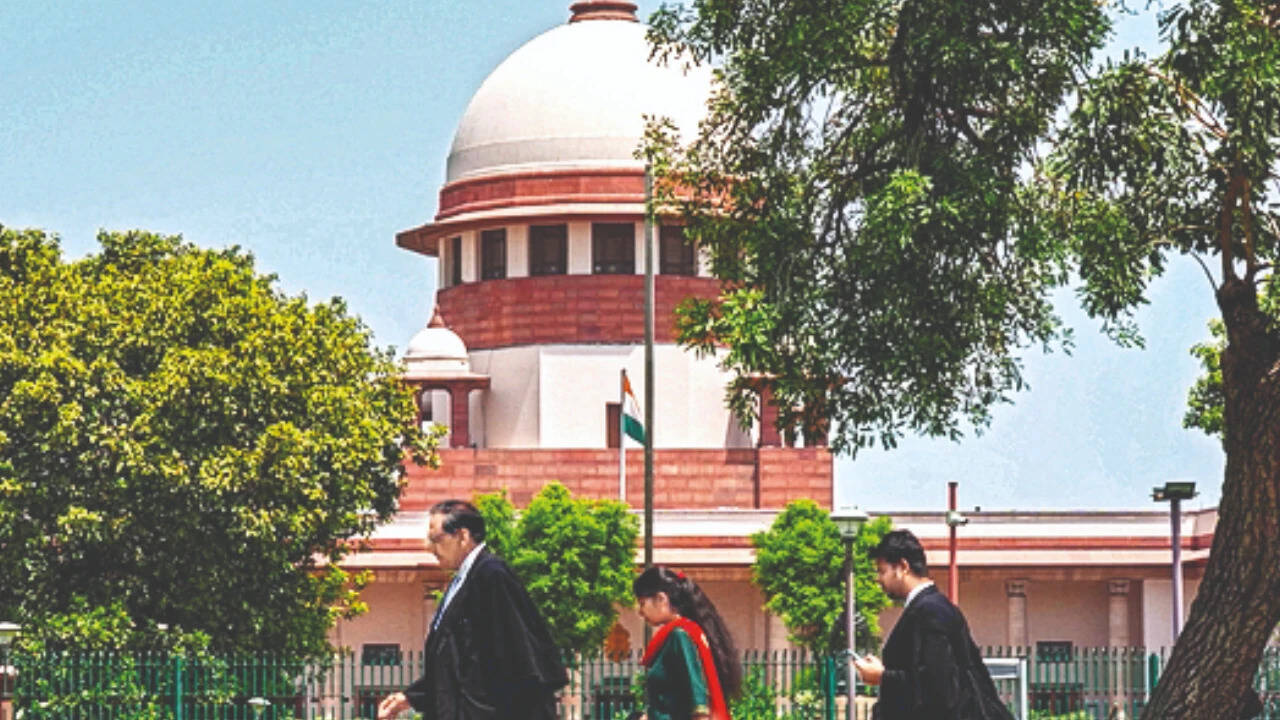
The Supreme Court of India acknowledged that while the media has a right to freedom of speech and expression, this must be balanced with citizens’ rights to privacy and dignity. The Court asked the Digital News Publishers Association (DNPA) to propose how these competing rights could coexist. DNPA argued that certain provisions of the Digital Personal Data Protection Act, 2023, and an amendment to the RTI Act that redefines ‘personal information’ threaten pre‑censorship of news and undermine media independence. The bench, led by Chief Justice Surya Kant with Justices Joymlaya Bagchi and V. Mohana, urged the media to prevent misuse of its rights and to safeguard citizen privacy. Senior advocate Madhavi Divan, speaking for the petitioner, contended that the DPDP Act lacks a distinct exemption for journalistic activity and imposes notice and prior consent requirements that could shut down newsrooms. She warned that seeking consent for every piece of information would stifle news dissemination. DNPA stated that the Act’s restrictions on how information is accessed, processed, and disseminated would unreasonably limit journalists’ fundamental rights. The petition cited a Supreme Court ruling that the right to know cannot be sacrificed for privacy. The Court has issued notice to the Centre and scheduled the case for hearing on November 17, along with related petitions.
Frequently asked questions
What did the Supreme Court ask the Digital News Publishers Association to do?
The Court asked the DNPA to propose how media freedom and citizen privacy could coexist.
What concerns did the DNPA raise about the Digital Personal Data Protection Act, 2023?
The DNPA argued that provisions of the DPDP Act and an amendment to the RTI Act threaten pre‑censorship of news and undermine media independence.
When is the Supreme Court hearing scheduled?
The Court has scheduled the case for hearing on November 17.