Politics
Exit Polls Show No Majority, Leaving Israel in Political Gridlock
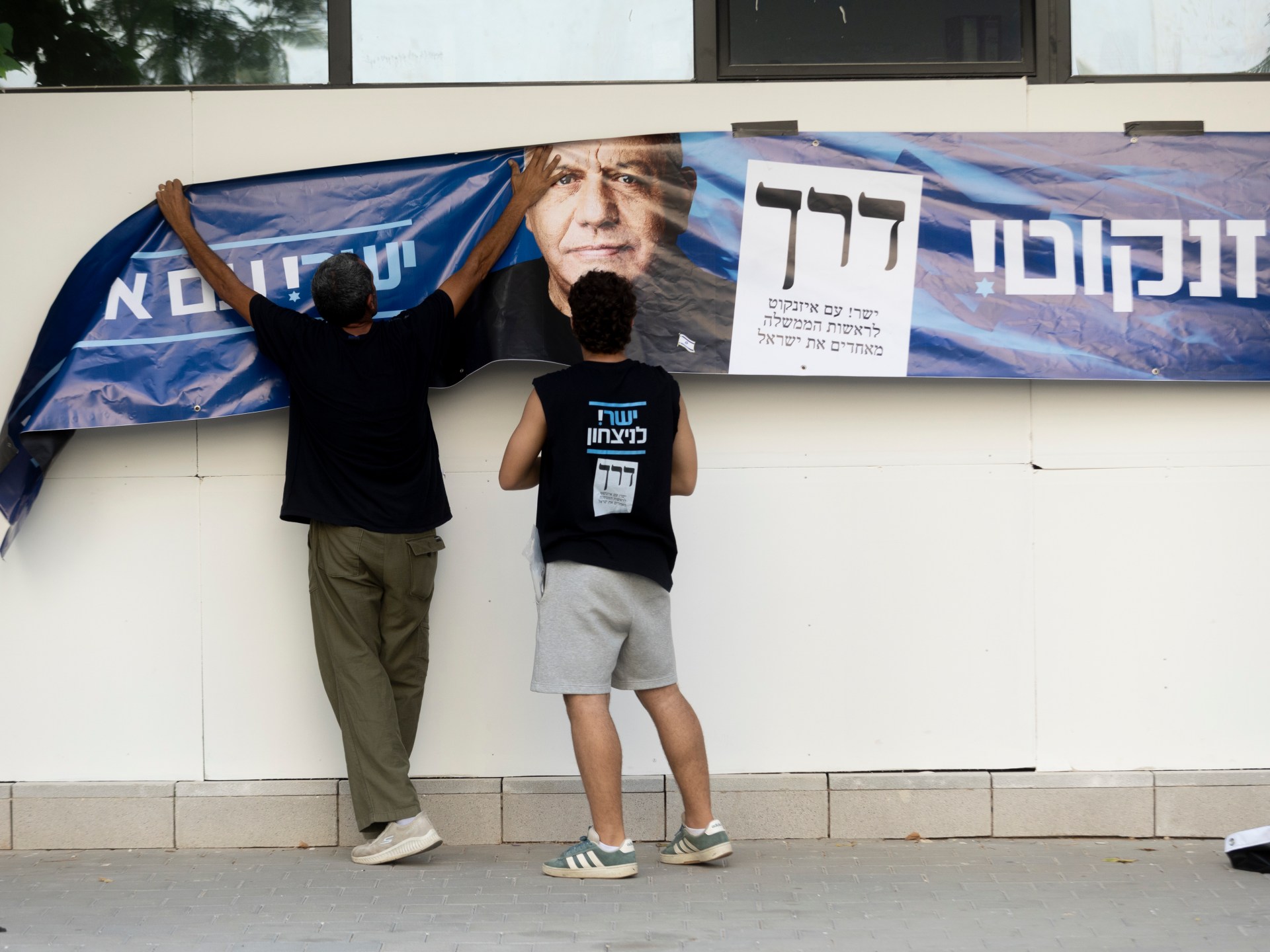
Exit polls released by Israel’s major television networks on Tuesday show that neither the Likud‑led coalition of Prime Minister Benjamin Netanyahu nor the opposition bloc led by former military chief Gadi Eisenkot’s Yashar party is projected to secure a clear majority in the 120‑seat Knesset. Both blocs are expected to win 51 seats, falling short of the 61 seats required for a majority. Arab‑led parties, not part of either coalition, are projected to win 18 seats, potentially positioning them as kingmakers if other parties seek their support.
Eisenkot said the polls indicate a “lack of confidence” in Netanyahu, while Yair Lapid, the opposition leader, called the result a “crushing defeat” and a “total collapse.” Foreign Minister Gideon Saar, a Likud member, warned that celebrations were premature, noting that Likud remains the largest party.
Palestinian analyst Ehab Jabareen told Al Jazeera that the exit polls show a weakening of Netanyahu’s bloc but cautioned against declaring a victory or the end of his career. He added that if no side can form a government, Netanyahu could stay on as caretaker while negotiations continue.
Once the final vote tally is announced on November 4, President Isaac Herzog will consult party leaders and appoint a candidate he believes can form a government. The appointed leader has 28 days to build a coalition, extendable by 14 days. If a coalition of at least 61 seats cannot be assembled, the candidate may attempt a minority government or a power‑sharing arrangement. A new government must win a simple‑majority confidence vote, which could be fewer than 61 if some parties abstain.
If the first candidate fails, Herzog may ask another Knesset member to try within 28 days. A third candidate could then be nominated by a majority of Knesset members, with a final 14‑day period to form a government. Persistent failure would lead to the dissolution of the Knesset and a new election within 90 days, while Netanyahu’s government would remain as caretaker.
Israel has experienced similar gridlock before, notably between April 2019 and March 2020, when three elections led to a rotating‑premiership agreement between Netanyahu and Benny Gantz that collapsed after a year.
Both Netanyahu and Eisenkot have ruled out partnering with the Arab‑led parties, citing a lack of shared values. Israeli political analyst Asaf Ronel warned that unless leaders abandon racist election promises, the country may face another round of elections in the coming months.
Frequently asked questions
How many seats did each bloc win according to exit polls?
Both the Likud‑led coalition and the opposition bloc led by Gadi Eisenkot’s Yashar party are projected to win 51 seats each.
What is required for a majority in the Knesset?
A majority requires at least 61 of the 120 seats.
What happens if no coalition can be formed?
If a coalition of at least 61 seats cannot be assembled, the appointed candidate may attempt a minority government or a power‑sharing arrangement; persistent failure could lead to dissolution of the Knesset and a new election within 90 days.