World
US Government Criticizes UK Proposal to Prioritize Traditional Broadcasters on Social Media
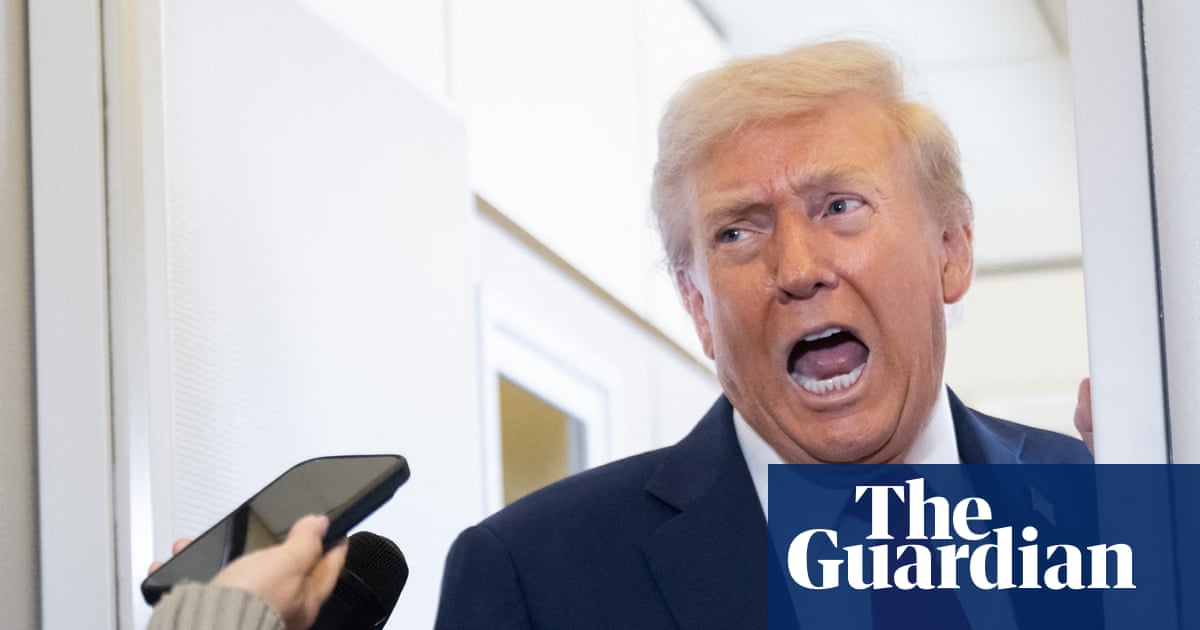
The Trump administration has voiced strong objections to a British government proposal that would require platforms like YouTube to give greater visibility to established broadcasters such as the BBC and ITV, cautioning that the plan could enable censorship.
In a statement issued through the US embassy in London, American officials said the proposal risked creating "a template that authoritarian regimes could invoke to justify more control over online content." They further warned it could harm independent journalists and constitute "extraterritorial censorship of protected speech by Americans online."
The UK plan, which has been discussed by ministers, regulators, and public broadcasters, aims to address the spread of misinformation as audiences increasingly consume news through less-regulated platforms including X, YouTube, and TikTok. A government consultation held earlier this year indicated that legislation could follow if platforms fail to voluntarily prioritize what officials describe as trustworthy content.
Washington argued that such measures could effectively suppress independent journalism in favor of officially sanctioned outlets. "Preserving a free, open internet and protecting freedom of expression online are top priorities for the Trump administration," the statement said, adding that empowering governments to influence algorithmic visibility "risks becoming a mechanism for viewpoint-based censorship."
The US statement continued: "If the UK compels platforms to boost government-preferred media in algorithmic feeds, the effect on a government-disfavoured speaker or media source's reach is not meaningfully different than outright removal. The US government would likely consider such a measure as facilitating censorship."
American officials also questioned what safeguards would prevent the biases of UK government officials or affiliated organizations from disadvantaging independent or minority-viewpoint journalism.
A spokesperson for the Department for Culture, Media and Sport responded: "We welcome engagement and responses to our media green paper. We believe strongly in free expression and fair competition, and any action we take will ensure these are protected." Government insiders noted that any resulting measures would apply only within the UK.
The intervention underscores Washington's willingness to defend major US-based technology companies operating the world's largest digital platforms. President Trump has frequently criticized mainstream media outlets as "fake news" and often engages directly with supporters through online channels. He remains involved in a legal dispute with the BBC over a Panorama episode that edited together segments of one of his speeches; the BBC has apologized for the edit but maintains the broadcast was not defamatory.
Social media companies have historically resisted efforts to artificially elevate traditional media content, arguing this undermines the principle of supporting independent creators. Some online content creators have likened the UK proposal to state control, expressing concern that their content could be pushed lower in platform rankings.
Simon Squibb, a UK-based YouTube creator, welcomed the US intervention, saying he was reassured that his concerns were shared by "an entity that I think politicians will listen to." He added: "This is a very dangerous potential direction for the UK to go in. I'm happy that the USA has stepped in."
Supporters of the UK proposal have framed it as a tool to combat misinformation and protect culturally significant British content. The government has also emphasized its intent to help public service broadcasters remain viable amid economic pressures created by the growth of digital platforms, a challenge facing media companies broadly.