Business & Finance
Credit Card Use in Bangladesh Climbs 30% YoY to Tk4,089 Crore in August, but Falls 5.4% from July
By TBS Report
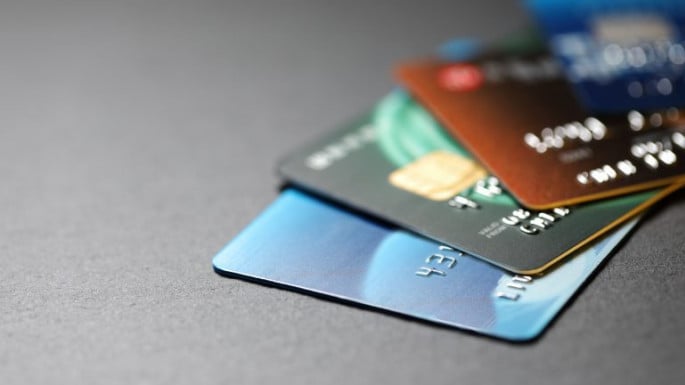
Credit card transactions in Bangladesh rose 30.03% year‑on‑year to Tk4,089 crore in August, up from Tk3,144 crore in August 2025, according to a Bangladesh Bank report released on 19 October. However, monthly spending fell 5.44% compared with July’s Tk4,325 crore.
Bangladeshis spent nearly Tk987 crore abroad in August using Bangladesh‑issued credit, debit and prepaid cards. In contrast, foreign‑issued cards were used for about Tk249 crore in Bangladesh, meaning Bangladeshi cardholders spent almost four times as much abroad as foreign cardholders spent in the country.
The report noted a continued shift from cash toward digital payments as the use of credit, debit and prepaid cards expanded. “Cash transactions have been dominating Bangladesh’s consumer payment ecosystem for many years, but their prevalence has shown a consistent decline in recent years,” the central bank said. It added that the government and Bangladesh Bank have implemented policy measures and regulatory reforms to accelerate electronic payment adoption.
Card numbers rose 96% between September 2021 and August 2026, while the total value of card transactions increased by 103%. At the end of September 2021, Bangladesh had 2.42 crore debit cards, 17.62 lakh credit cards and 10.26 lakh prepaid cards (total 2.70 crore). By August 2026, the numbers were 4.01 crore debit cards, 28.05 lakh credit cards and 92.70 lakh prepaid cards (total 5.29 crore). Prepaid cards grew 803%, debit cards 69% and credit cards 59%. The total value of card transactions more than doubled from Tk24,561 crore in September 2021 to Tk49,770 crore in August 2026.
Department stores accounted for the largest share of domestic credit card spending in August, with Tk1,969 crore (48.14% of total). Goods and services made up 93.37% of domestic credit card spending, cash withdrawals 6.43% and fund transfers 0.21%.
Bangladesh‑issued cards spent Tk987 crore abroad in August: Tk505 crore via credit cards, Tk422 crore via debit cards and Tk60 crore via prepaid cards. Overseas credit card transactions fell slightly to 823,150 in August from 830,086 in July, with spending declining to Tk505 crore from Tk526 crore. Department stores were the largest overseas credit card spenders (30.29%), followed by retail outlets (17.89%), transport (12.09%) and medicine and pharmacies (11.86%). The United States was the top destination for credit card spending abroad (17.16%), followed by Thailand (10.86%), the United Kingdom (9.75%), India (9.12%) and Singapore (7.98%).
Debit card spending abroad rose to Tk422 crore in August from Tk401 crore in July. Department stores accounted for 20.24% of spending, followed by government services (17.12%), business services (13.99%) and cash withdrawals (12.92%). The United Kingdom was the largest destination for debit card spending abroad (14.19%), followed by the United States (13.43%) and India (11.76%).
Prepaid card spending abroad increased to Tk60 crore from Tk58 crore in July. Government services were the largest category (20.60%), followed by cash withdrawals (17.53%), department stores (16.36%) and business services (14.39%). India was the top destination for prepaid card spending abroad (18.71%), followed by the United States (14.94%), Saudi Arabia (10.21%) and the United Kingdom (9.47%).
Foreign‑issued cards were used for Tk249 crore worth of transactions in Bangladesh in August, up 6.27% from Tk234 crore in July and 34.66% from August 2025. Department stores accounted for 35.25% of foreign card spending in Bangladesh, followed by cash withdrawals (23.76%), transport (12.99%) and clothing stores (9.17%). Cards issued in the United States accounted for the largest share of foreign card transactions in Bangladesh (21.29%), followed by the United Kingdom (10.81%) and India (8.61%).
As of the end of August, 47 scheduled banks and one non‑bank financial institution had a combined approved credit card limit of Tk43,108 crore. The outstanding amount owed by cardholders stood at Tk14,482 crore.
Bangladesh Bank highlighted several factors that continue to constrain the expansion of cashless payments, including the country’s cash‑based economy, limitations in digital infrastructure, gaps in financial literacy, cyber security concerns, lack of trust in digital systems, transaction costs and limited smartphone use. It said greater use of cards could support financial inclusion and the expansion of the digital economy, while stressing the need to strengthen fraud prevention, customer protection and user awareness as card‑based transactions grow.