World
Japan to Phase Out Gasoline Subsidies by December as Budget Strains
By Livemint
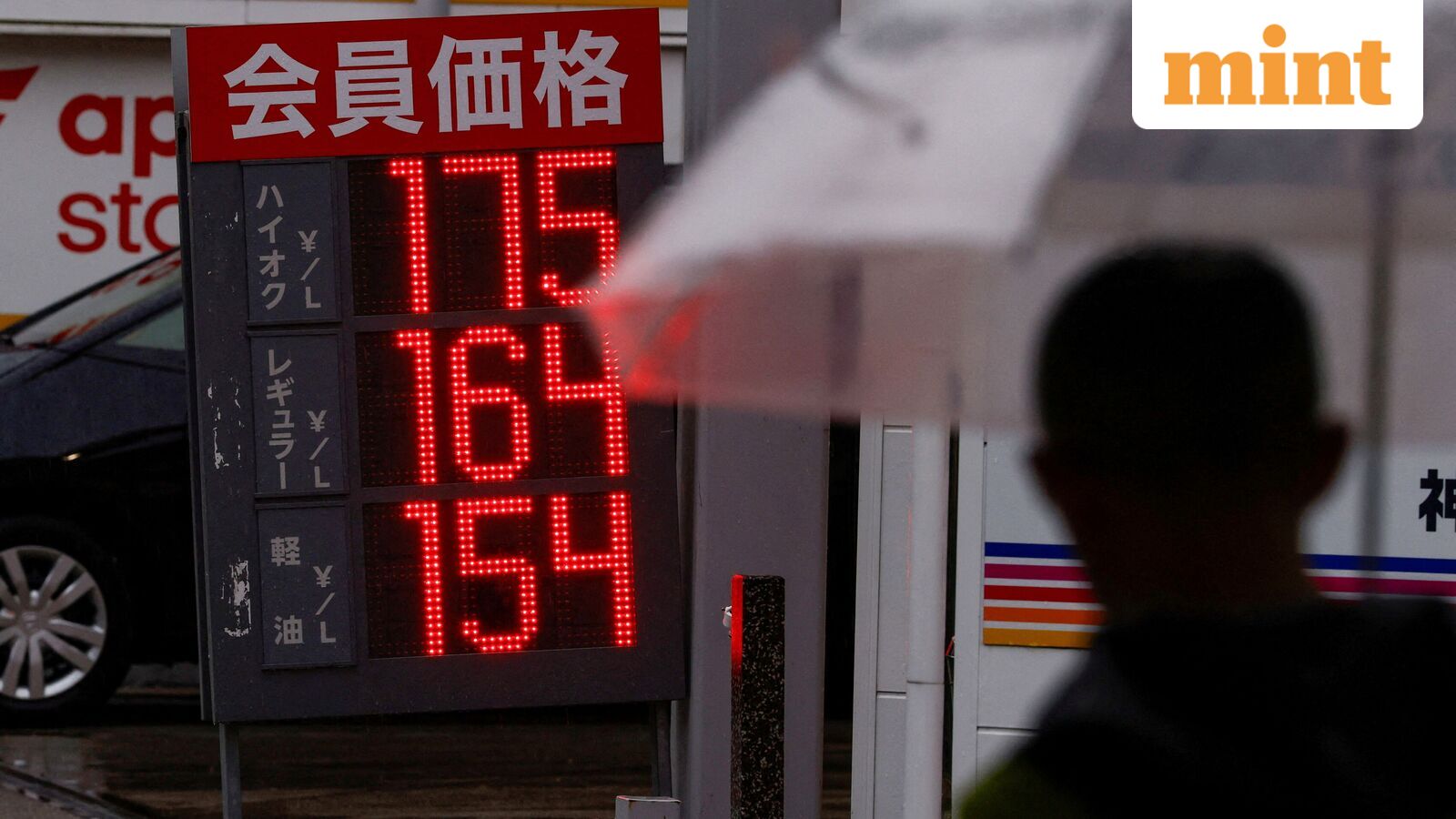
The Japanese government is reportedly considering cutting gasoline subsidies as early as December, after concerns that the program’s funding could run out. The subsidy, introduced in March as an emergency measure to shield businesses and households from the sharp rise in oil prices linked to the US‑Israel war with Iran, caps the national average price for regular gasoline at about 170 yen ($1.09) per litre. The scheme requires several billion dollars each month and is quickly depleting the 3.1 trillion yen supplementary budget approved in June. Officials said the government and ruling coalition are reviewing a plan to gradually reduce weekly payouts to fuel distributors, which would raise the average retail price to roughly 175 yen per litre in December and 180 yen by January. The Agency for Natural Resources and Energy did not comment. The move comes ahead of Prime Minister Sanae Takaichi’s planned reduction of the consumption tax on food and beverages from April next year. “Once the consumption tax cut begins, households will feel less financial pressure. We would like to reduce gasoline subsidies as much as possible by then,” a source told Reuters. Japan is also looking at other measures to protect households from rising energy costs, including the possible re‑introduction of gas and electricity subsidies that expired in September. Brent crude oil is on track for a third consecutive weekly gain as attacks on Saudi Arabian infrastructure raise the risk of broader supply disruptions in the Middle East. The global benchmark traded near $113 a barrel, up about 3 percent for the week, while West Texas Intermediate held above $99. The recent price surge follows claims by Iran‑backed Houthi militants that they attacked the Saudi Red Sea port of Yanbu, a kingdom oil field and an airport, heightening concerns over the Strait of Hormuz shipping route. Global oil markets have been highly volatile this year, with Brent surging over 85 percent largely due to the ongoing US‑Iran war, now approaching its ninth month. The price rally has been steeper for refined petroleum products, especially diesel. The geopolitical landscape remains tense, with US President Donald Trump stating that the US has “knocked” out Iran and threatened to go “a little bit further,” though he did not elaborate on the actions. The New York Times reported that the US and Israel have plans for renewed military strikes against Iran following the American midterm elections early next month.
Frequently asked questions
When does Japan plan to start cutting gasoline subsidies?
Japan plans to start cutting gasoline subsidies in December, raising the average retail price to roughly 175 yen per litre in December and 180 yen by January.
What is the current cap on gasoline prices under the subsidy?
The subsidy caps the national average price for regular gasoline at about 170 yen ($1.09) per litre.
Why is Japan considering reducing gasoline subsidies?
The subsidy requires several billion dollars each month and is quickly depleting the 3.1 trillion yen supplementary budget approved in June; the government also wants to reduce subsidies as consumption tax cuts begin.