World
India Criticises EU Carbon Border Tax While Highlighting New Trade Deal
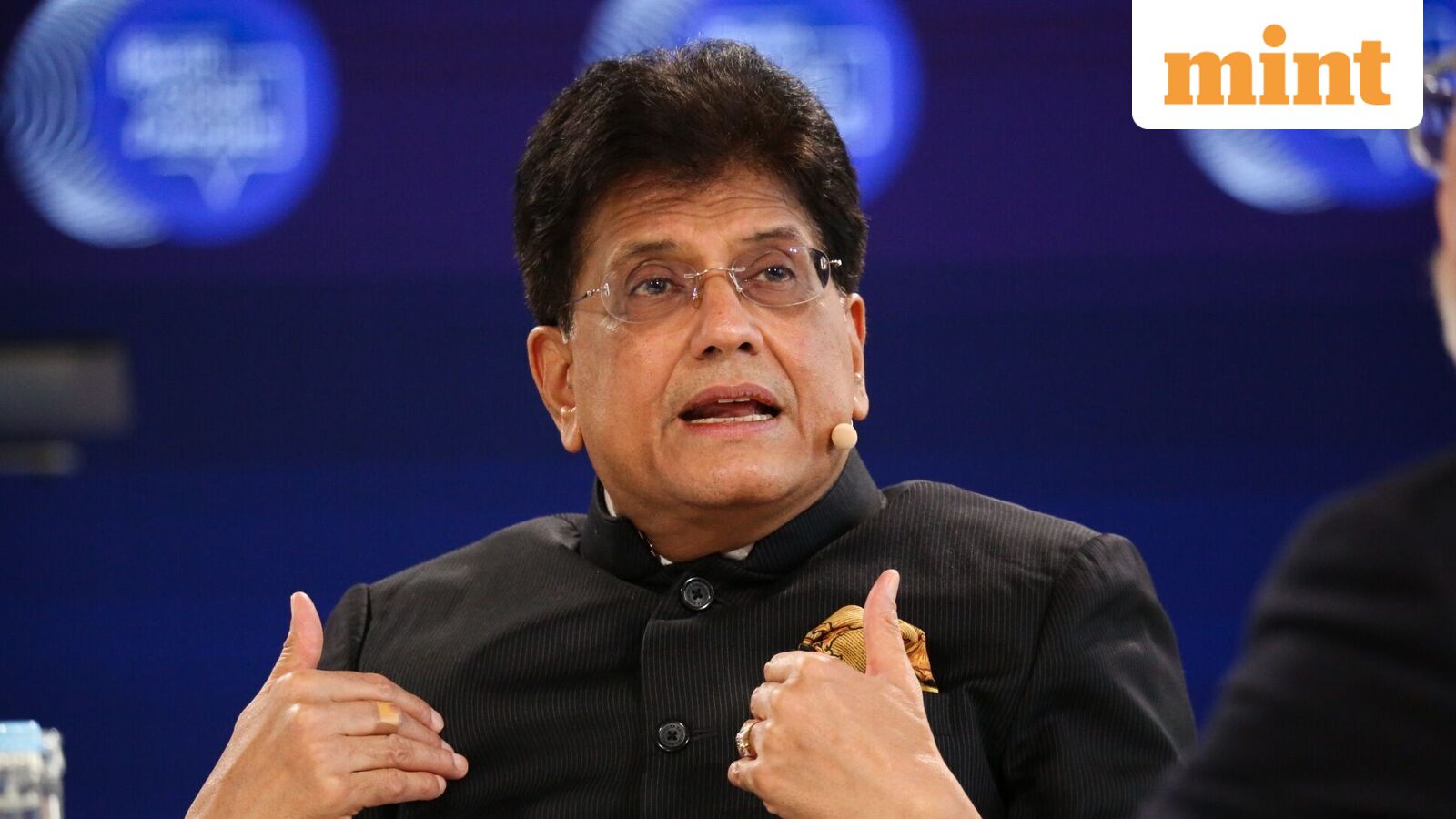
Berlin – India’s commerce and industry minister Piyush Goyal said on Thursday that the European Union’s carbon border adjustment mechanism (CBAM), a tax on carbon‑intensive imported goods, is "inviting disaster." Speaking at the Berlin Global Dialogue 2026, Goyal warned that a 50% import duty on steel would raise living costs, upset people and make Indian industry uncompetitive.
New Delhi has secured commitments from the EU, including a forward‑looking most‑favoured‑nation assurance that any flexibilities granted to third countries under CBAM regulations will also be extended to India.
At the inauguration of the India Centre at the German Council on Foreign Relations (DGAP), Goyal said the India‑EU free trade agreement (FTA) may become operational within four to five months and is expected to be signed by the end of the calendar year. He praised the EU for the speed and mutual commitment to the deal.
The FTA, formally known as the Broad‑based Trade and Investment Agreement, was concluded after talks that began in 2007, paused in 2013 and resumed in 2022. It will give over 99% of Indian exports by value and 97% of tariff lines preferential entry into the EU, benefiting micro, small and medium enterprises and creating jobs for women, artisans, young people and professionals.
According to the European Commission, the FTA will eliminate or cut tariffs on more than 96% of the EU’s goods exports to India, saving European exporters around €4 billion a year in duties. The EU will remove duties on about 70.4% of tariff lines immediately, covering almost 90.7% of India’s export value, with another 20.3% of products subject to phased elimination. Immediate duty‑free access will apply to all textiles, apparel, leather and footwear; 94.4% of marine products; and 96.6% of gems and jewellery.
India has promised immediate duty‑free access on about 49.6% of EU tariff lines covering 30.6% of trade value, with 39.5% of lines covering 63.1% of value under phased elimination over five, seven or ten years. India’s total offer covers around 92.1% of EU tariff lines and 97.5% of trade value.
The FTA was jointly announced by Prime Minister Narendra Modi and European Commission President Ursula von der Leyen at the 16th India‑EU Summit in New Delhi on 27 January 2026. India‑EU merchandise trade stood at €118.4 billion in 2025, with the bloc importing goods worth €69.5 billion from India and exporting €48.9 billion to India. The total annual bilateral trade in goods and services was worth €180 billion.
Goyal, who is on an official visit to Germany and the Netherlands to deepen strategic economic partnerships, said Germany is India’s largest trading partner in the EU. Total bilateral trade reached $31 billion in FY26, up 4.83% from $29.57 billion in FY25, according to commerce ministry data.
"Our ambition should not stop at Made in India or Made in Germany. We should look at goods co‑created by us and become collaborators to be competitive for the world," Goyal added. He urged linking trade with investment, manufacturing with research and industry with academia to bring the FTA to factories.
Experts noted the special relationship between India and Germany. Former Indian economic relations secretary Dammu Ravi said Germany’s medium‑sized businesses offer vital opportunities for Indian MSMEs to partner and build global competitiveness.
The article was written by Utpal Bhaskar, Assistant Managing Editor with Mint, and is based on statements made by Piyush Goyal at the Berlin Global Dialogue 2026 and the DGAP inauguration.