World
Pakistan’s Food Prices Fluctuate as Supply Chain Weaknesses Persist
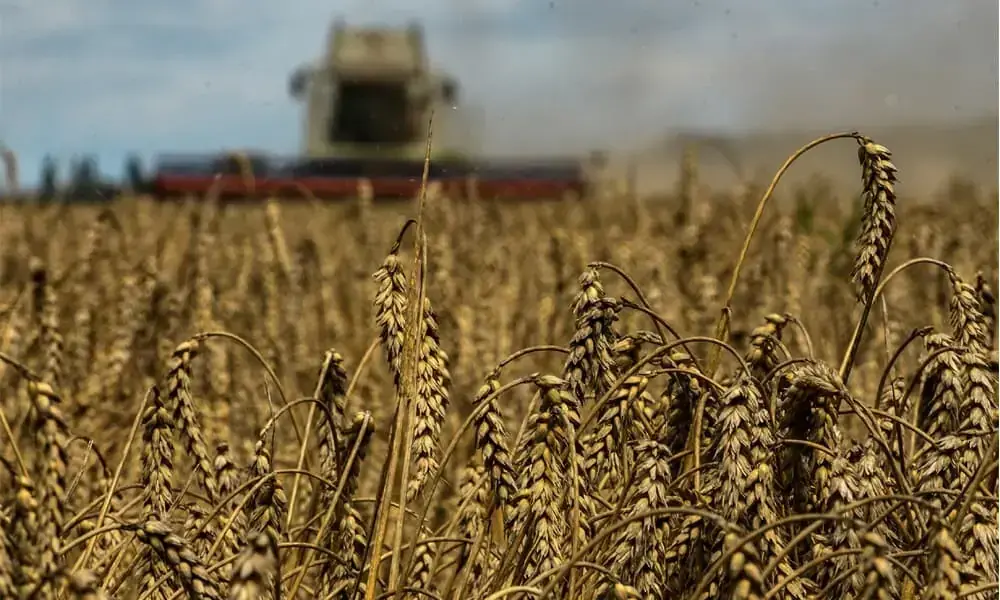
Pakistan’s food prices swing sharply due to systemic weaknesses in its agricultural supply chain, including inadequate infrastructure, market inefficiencies, and unpredictable policies. The Food and Agriculture Organization’s September 2026 analysis showed Pakistani wheat‑flour prices in August 2026 were 50–83 percent higher than a year earlier, reflecting elevated production and transport costs. Such volatility is driven not only by what farmers produce but also by storage, transport, trade policies, energy prices, and climate shocks. Fuel costs affect the entire food supply chain, but the relationship between petrol and food prices is complex, with contracts, inventories, market competition and perishability influencing the speed and extent of price transmission.
The farmer‑consumer paradox is evident: consumers face high retail prices while farmers receive relatively low farm‑gate prices. The Asian Development Bank cites inadequate storage, transport, packaging and finance as key weaknesses in Pakistan’s horticultural value chains. When produce cannot be stored or transported efficiently, farmers sell quickly, creating a temporary glut that drives farm‑gate prices down while later tightening supplies raises consumer prices.
Production cycles also contribute to volatility. High returns for a crop can lead farmers to increase cultivation the following season, potentially causing a glut and lower prices. Conversely, low prices may prompt reduced cultivation, leading to shortages. The Pakistan Economic Survey 2025–26 reports that sugarcane cultivation expanded by 2.4 percent and production increased by 6.2 percent to 89.45 million tonnes, partly due to higher expected returns compared with cotton and maize.
Perishable commodities such as tomatoes, onions, fruits and vegetables are especially vulnerable. ACIAR‑supported work in Pakistan has highlighted post‑harvest losses of 23–38 percent in the citrus sector. Losses reduce supply, raise prices, and waste land, water, fertilizer, labor, energy and capital already invested.
Climate shocks exacerbate existing weaknesses. Floods, heatwaves, droughts and irregular rainfall can reduce production, damage roads and storage facilities, and disrupt commodity movement. The World Bank reported that the 2022 and 2025 floods affected 33 million people and could increase the national poverty rate by 3.7 to 4 percentage points, pushing 8.4–9.1 million people below the poverty line.
Pakistan’s agriculture grew 2.89 percent in 2025–26, with wheat production at 29.61 million tonnes, sugarcane at 89.45 million tonnes and rice at 9.99 million tonnes. Despite increased production, price stability remains elusive because produce cannot be stored, transported and marketed efficiently.
Digital agriculture offers potential improvements through mobile market information, digital platforms linking farmers with buyers, electronic payments, weather information and advisory services. However, digital solutions cannot replace physical infrastructure such as cold storage, roads and reliable energy.
Policy challenges include frequent short‑term interventions that create uncertainty for farmers and traders. The objective should be to build a resilient food system rather than merely suppress individual price increases. Pakistan needs better agricultural forecasting, greater investment in storage and cold chains, improved rural roads, efficient logistics, reliable market information, predictable trade policies and a more resilient energy system. Addressing these weaknesses between production and consumption is essential to reduce unnecessary volatility and protect both farmers and households.
The writer is affiliated with the Department of Food Science and Technology, Bahauddin Zakariya University (BZU), Multan, Pakistan; the School of Management, Jiangsu University, Zhenjiang, Jiangsu, P.R. China; and the Department of Agribusiness and Entrepreneurship Development, MNS‑University of Agriculture, Multan, Pakistan.
Frequently asked questions
How much did Pakistani wheat‑flour prices increase in August 2026 compared to a year earlier?
They were 50–83 percent higher.
What was the increase in sugarcane cultivation and production in 2025–26?
Cultivation expanded by 2.4 percent and production increased by 6.2 percent to 89.45 million tonnes.
What post‑harvest loss percentages were reported for the citrus sector?
23–38 percent.