World
Macron Blames Far‑Left for Violence as France Bans Thursday Protests in Major Cities
French authorities have prohibited demonstrations in key areas of Paris, Lyon, Lille and Grenoble for Thursday. The Paris Police Prefecture announced a ban on protests until 8 pm (18:00 GMT), covering the vicinity of the Elysee Palace, both houses of parliament, the main train stations and parts of downtown where looting occurred over the weekend. A police source told AFP that the ban was necessary because organisers could not prevent violence and vandalism. Similar restrictions were imposed in Lyon, Lille and Grenoble.
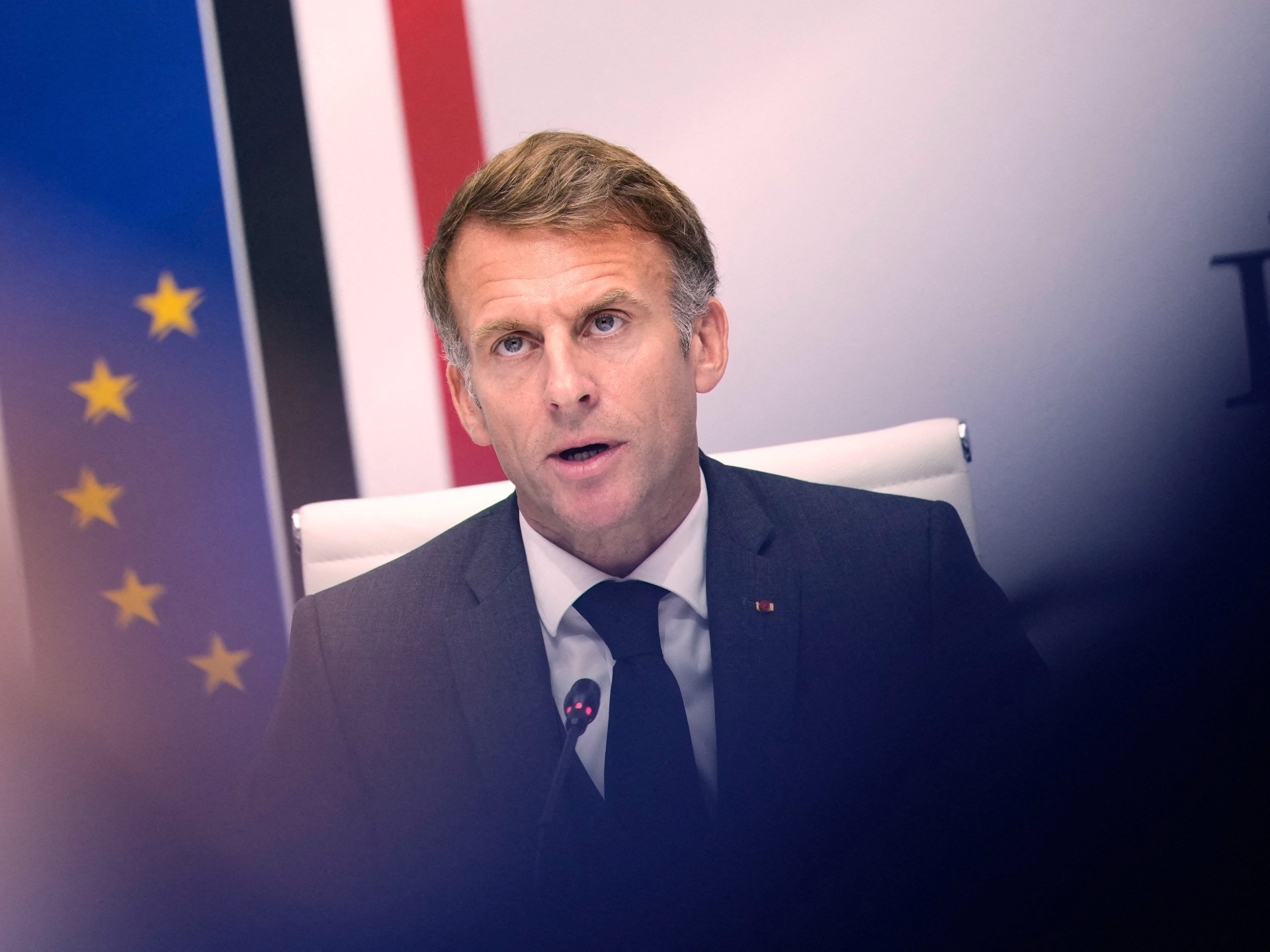
The measures follow a Saturday protest that drew more than half a million people across France, including students demanding better school conditions and groups protesting high living costs. Riots broke out in several areas, resulting in at least 2,500 arrests and shop looting. President Emmanuel Macron blamed the unrest on what he described as “seditious acts” by “ultra‑left” groups, accusing them of trying to “bring down the Republic”. Speaking from the Elysee Palace, Macron said France would ban all “illegitimate” protests in the coming days, while approved demonstrations led by organised groups such as unions would be required to take alternative routes outside city centres to protect businesses.
Macron announced that he would convene the country’s defence council on Friday to take further action. The planned Thursday protests were seen as a prelude to a larger demonstration on Saturday, when activists from the “yellow vest” movement, whose protests over fuel prices shook France in 2018 and 2019, are expected to join. Some of those protests, including marches in Lyon, will also be banned, local authorities said.
Prime Minister Sébastien Lecornu, who met union representatives on Wednesday, said a “massive” security operation was planned for Saturday to prevent a repeat of the violence by small groups of rioters that had exposed shortcomings in security measures. Macron held a meeting with intelligence services, Lecornu and ministers on Thursday morning to obtain a detailed account of what went wrong over the weekend and review preparations for upcoming protests. Union representatives said their meeting with Lecornu did not result in concrete proposals. They are now focusing on another big day of action scheduled for November 5, calling on private and public sector employees to join.
The education demonstrations first erupted last month in a high school in Créteil, southeast of Paris, over a lack of staff. From there, class strikes, blockades and demonstrations spread to other Paris suburbs and then nationwide, including in smaller towns. High‑school students have raised concerns about underfunded schools, dilapidated facilities and staff shortages, particularly in lower‑income neighbourhoods. The school demonstrations and blockades have morphed into larger protests over soaring living costs.