World
Iran Unveils Offensive Doctrine as U.S. Alerts on Potential Escalation
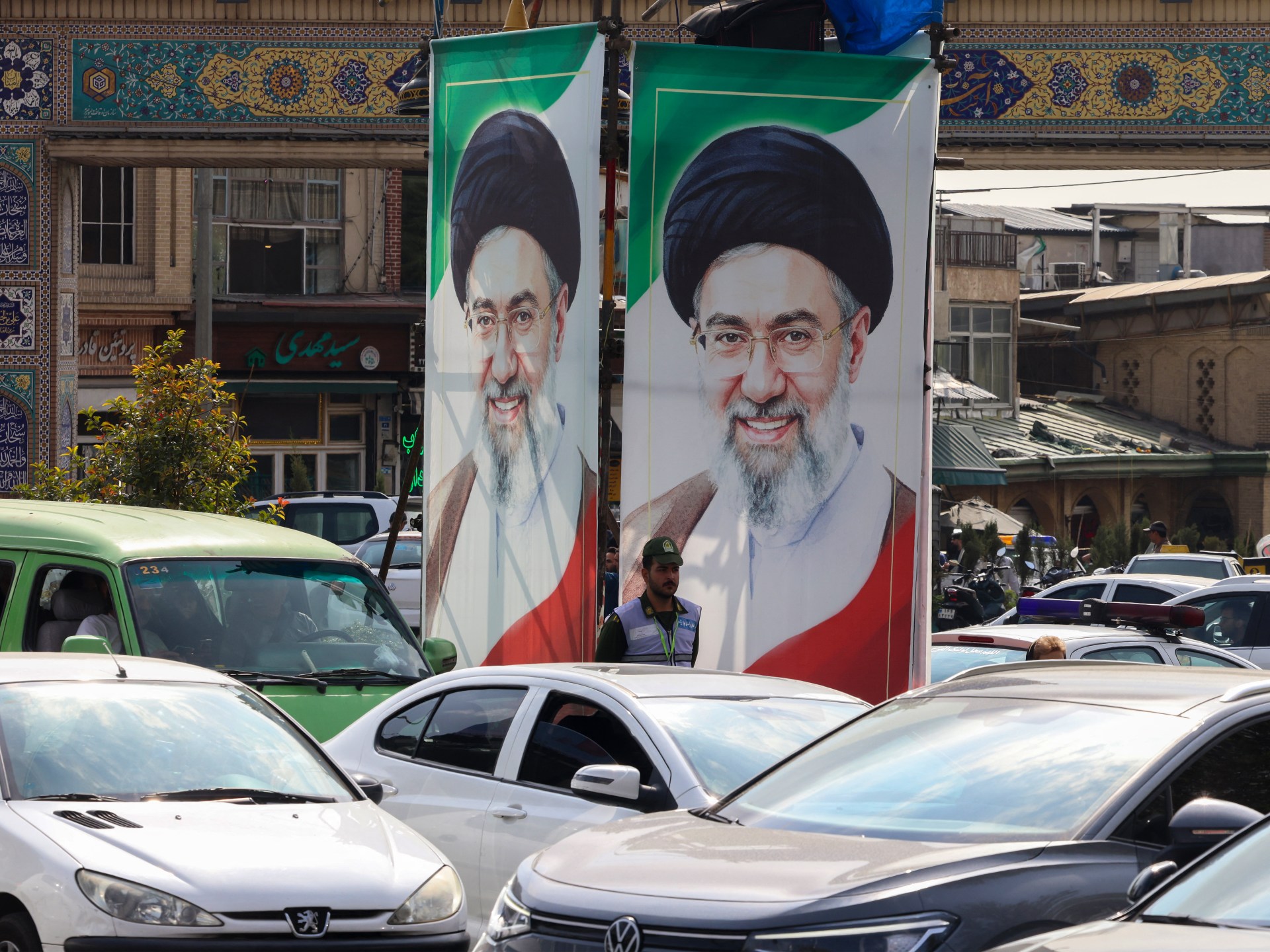
The Islamic Revolutionary Guard Corps (IRGC) announced on Wednesday that Iran’s defence doctrine has shifted from defensive to offensive and asymmetrical. IRGC spokesman Hossein Mohebi said the new strategy means Iran will not only respond to attacks but also launch offensive operations, including potential invasions of neighbouring countries and strikes on U.S. military bases. Mohebi added that Iran’s missile stockpile has grown 1.5 times since the 12‑day war with Israel in June 2025 and that the quality, range, destructive power and accuracy of its missiles have improved.
The announcement came amid continued attacks on shipping in the Strait of Hormuz, a key energy chokepoint. The IRGC navy reported that four vessels it accused of illegal oil transfers were struck and set on fire in the northern Gulf, and that three other vessels hit mines west of the strait. Although oil shipments through the strait have fallen below pre‑war levels, they returned to pre‑war volumes last month as exporters used alternative routes.
Brent crude rose above $110 a barrel on Thursday, reflecting fears of further disruptions to regional energy supplies.
The U.S. has ordered some diplomatic personnel and their families to leave Saudi Arabia after recent Houthi attacks. The State Department said the orders applied only to employees and families in Saudi Arabia, not to other Gulf missions.
U.S. President Donald Trump said the United States was no longer negotiating with Tehran and that a decisive outcome was imminent. Trump also stated that Washington could end the war immediately but wanted a lasting result. U.S. Secretary of State Marco Rubio said a peace agreement is extremely difficult and that Iran must stop targeting commercial shipping in the Strait of Hormuz. Rubio reiterated that the United States would reject any deal that allows Iran to develop nuclear weapons.
Iran has offered a seven‑day plan to restore shipping through the Strait of Hormuz in exchange for the U.S. ending its blockade of Iranian ports, easing sanctions and unfreezing Iranian assets.
Israeli Prime Minister Benjamin Netanyahu reiterated his pledge to topple Iran’s government, citing the need to prevent the country from rebuilding its nuclear programme and the “axis of resistance.”
Analysts warn that the U.S. and Israel could launch attacks on Iran in the coming weeks. Negar Mortazavi, senior fellow at the Centre for International Policy, said Tehran’s new doctrine aims to make future U.S. and Israeli attacks more costly and to influence the November 3 U.S. midterm elections. Rami Khouri, nonresident senior fellow at the Arab Center, said the doctrine seeks to extend the economic consequences of conflict beyond the Middle East.
Mohsen Rezaei, secretary of Iran’s Supreme National Security Council, said, “Everyone must know that any action against Iran comes at a cost.” He added that Iran has the means to sustain a response if diplomacy fails.
The situation remains tense, with both sides exchanging threats and diplomatic efforts stalled.
Frequently asked questions
What change did Iran's IRGC announce regarding its defence doctrine?
Iran’s IRGC announced that its defence doctrine has shifted from defensive to offensive and asymmetrical, meaning Iran will not only respond to attacks but also launch offensive operations, including potential invasions of neighboring countries and strikes on U.S. military bases.
How has Iran's missile stockpile changed since the 12‑day war with Israel in June 2025?
Iran’s missile stockpile has grown 1.5 times since the 12‑day war with Israel in June 2025, and the quality, range, destructive power and accuracy of its missiles have improved.
What actions did the U.S. take in response to recent Houthi attacks?
The U.S. ordered some diplomatic personnel and their families to leave Saudi Arabia after recent Houthi attacks, but the orders applied only to employees and families in Saudi Arabia, not to other Gulf missions.