Climate & Environment
Unconditional Cash Grants to Peruvian Amazon Communities Boost Forest Conservation, Study Finds
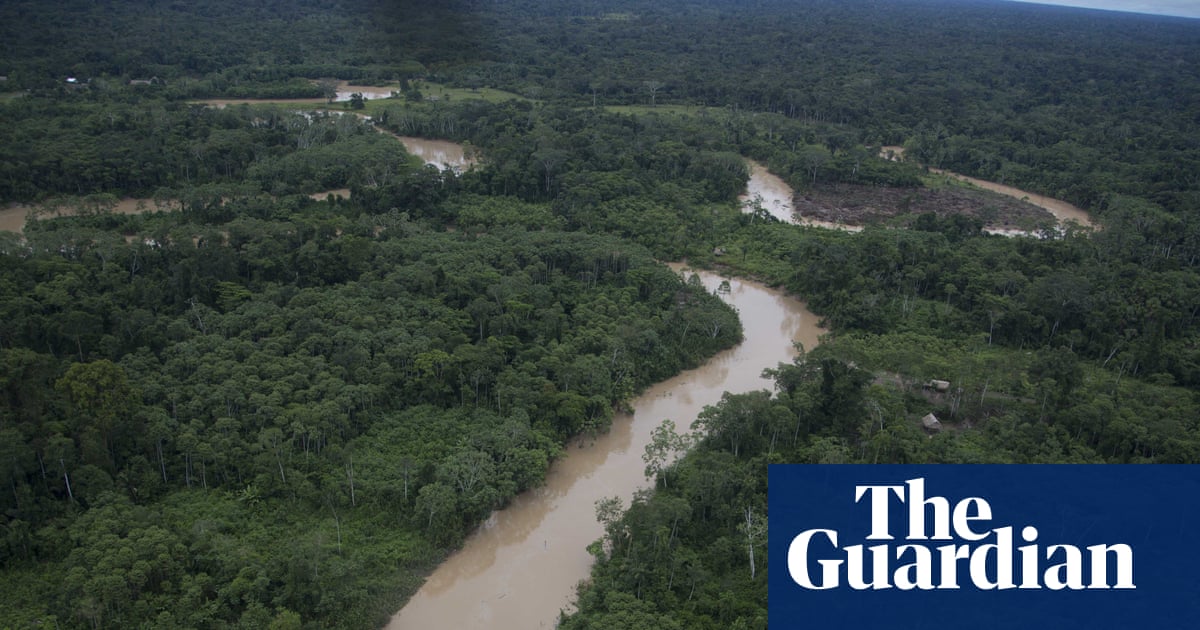
A two‑year pilot in Peru’s Asháninka region, run by the UK charity Cool Earth, gave 211 Indigenous residents six payments of 1,032 Peruvian soles (about £2 a day) each, with no conditions on how the money was spent. The University of Bath study reports that nearly 90% of participants adopted environmentally beneficial practices, such as collective reforestation, water source restoration and reduced forest burning. Food insecurity fell from 73% to 26%, and the proportion of households forced to leave their homes for work dropped from 43% to 18%. Dr Nick Langridge, a co‑author, said the results show that greater security and autonomy help communities protect the ecosystems they rely on. The project, designed with local women’s groups, is the first unconditional basic income scheme for an Amazonian Indigenous community. Dr Neil Howard, the lead author, noted that the payments reduce incentives to exploit or abandon land and place people at the centre of conservation efforts, contrasting with colonial conservation models. The pilot also included a voluntary “cash plus” programme offering community‑led education on finance, conservation and climate change. Critics caution that cash transfers elsewhere have sometimes increased deforestation or road building, and that the study did not measure vegetation or soil changes or account for other projects that might influence behaviour. Despite these limitations, the authors view the early results as encouraging for the cash‑for‑conservation movement and call for larger‑scale research to confirm the ecological impacts.
Frequently asked questions
How many payments were given to each participant?
Each of the 211 participants received six payments of 1,032 Peruvian soles.
What environmental benefits were observed?
Nearly 90% of participants adopted practices such as collective reforestation, water source restoration, and reduced forest burning.
How did food insecurity change during the pilot?
Food insecurity fell from 73% to 26% among the participants.