Health
Kenya Reports Eighth Ebola Case Amid U.S. Health Aid Cuts
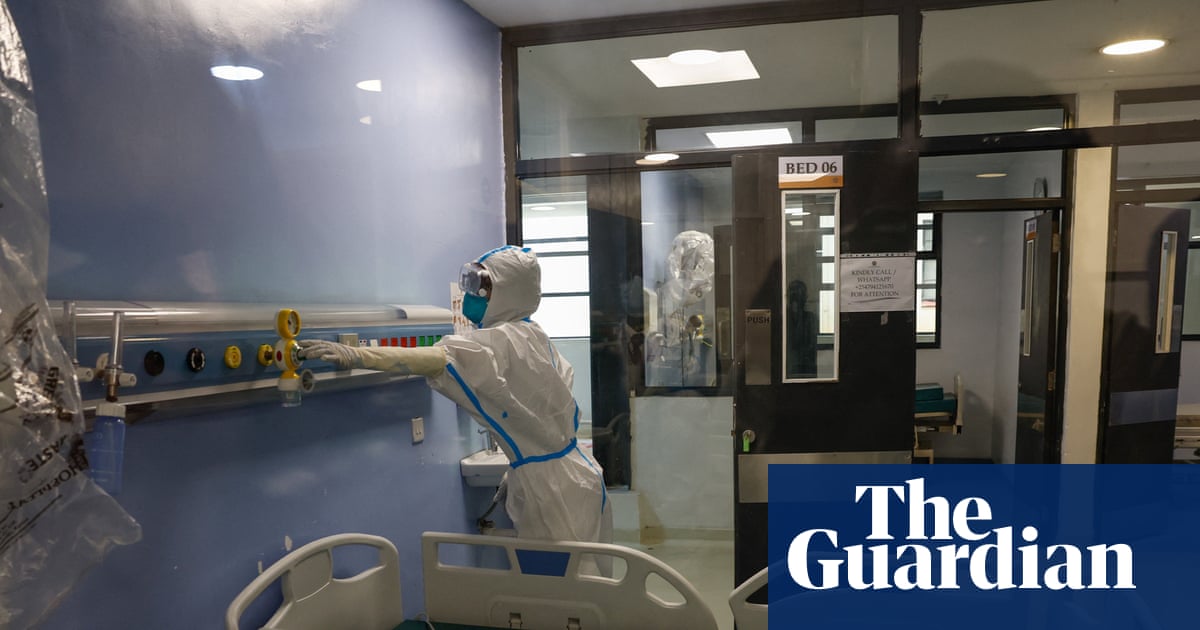
Kenya has confirmed an eighth case of the Bundibugyo strain of Ebola, the first cluster of cases in the country. The outbreak, the second‑largest in history, has killed more than 4,300 people and sickened over 9,000 in the region. The new case follows a Kenyan man who fell ill in the Democratic Republic of the Congo (DRC), traveled to Uganda, and then flew to Nairobi on 3 October, where he died two days later. Seven close contacts of the deceased have tested positive. Patrick Amoth, director‑general for health, confirmed the total number of infections in Kenya as eight.
Kenya’s Ministry of Health attributes the containment to effective contact tracing and quarantine. About 108 people have been quarantined in Nairobi. "The general feeling is that the contact tracing systems are working," said Allan Maleche, executive director of the Kenya Legal & Ethical Issues Network on HIV and AIDS (Kelin). However, Kenyans are questioning why a sick person was able to travel across borders. The border between the DRC and Uganda has been closed since May, and Uganda was declared Ebola‑free in August after reporting 20 cases and two deaths.
The U.S. has faced criticism for its response to the outbreak. The Trump administration built a quarantine center at Kenya’s Laikipia airbase for Americans returning from the DRC, a facility opposed by locals and halted by a Kenyan court. The center has raised concerns about the U.S. legal authority to quarantine Americans on foreign soil and about the safety of the facility. "We have world‑class Ebola treatment units," said Jennifer Nuzzo, director of the pandemic center at Brown University School of Public Health. "It is mind‑boggling that we are leaving them empty."
U.S. health support has been reduced through the dismantling of the U.S. Agency for International Development (USAID) and cuts to funding and staff at agencies such as the Centers for Disease Control and Prevention (CDC). On 1 October, the CDC closed HIV prevention offices in Angola and South Sudan and planned to close offices in Zimbabwe. The U.S. has also withdrawn from the World Health Organization (WHO) and cut substantial funding, weakening global disease‑monitoring infrastructure.
Senators Raphael Warnock and Bill Cassidy wrote to the Senate Appropriations Committee in June opposing the Trump administration’s cuts to HIV prevention and monitoring. Warnock said the cuts "degraded our outbreak preparedness" and "weakened our ability to keep Americans safe from infectious disease." Nuzzo agreed, noting that strengthening global health systems benefits both the U.S. and partner countries.
Kenyan officials remain concerned about potential travel bans and the international response to the outbreak. "The biggest fear is how other countries will react," Maleche said. The U.S. had imposed travel bans on the DRC, Uganda, and South Sudan once the outbreak was detected in May, a move that some find ironic given the quarantine center in Kenya.
The Kenyan government continues to monitor the situation closely, emphasizing the importance of contact tracing, quarantine, and international cooperation in managing the outbreak.
Frequently asked questions
How many Ebola cases have been confirmed in Kenya?
Eight confirmed cases, including the first cluster in the country.
What containment measures has Kenya implemented?
Kenya has used contact tracing and quarantine, with about 108 people quarantined in Nairobi.
Why has U.S. health aid to Kenya been reduced?
U.S. cuts include dismantling USAID, reducing CDC funding and staff, closing offices, and withdrawing from WHO.