Politics
Alberta Voters Face Referendum on Independence Amid Deep Divisions
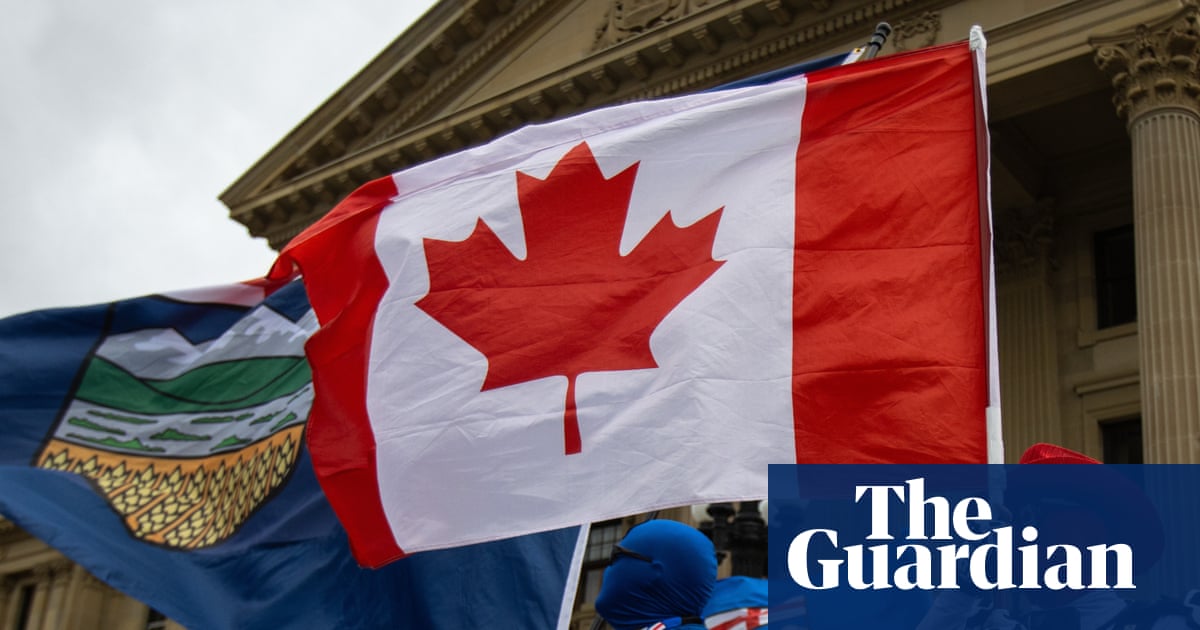
On Monday, Albertans will vote on whether the province should remain part of Canada or hold a second, binding independence referendum. The question has highlighted deep divisions within the province, especially among separatists who argue that Alberta is short‑changed by its financial relationship with Ottawa and cannot fully exploit its fossil fuel reserves. Enthusiasm for either side waned after a deadly fire at CFB Wainwright that killed and injured several people. Premier Danielle Smith, who has long opposed a referendum, called one after pressure from her United Conservative Party. She has not campaigned for independence, estimating a $400 billion transition cost and $25–$50 billion in annual costs for a new country. Critics of separation focus on the high costs, with the University of Calgary’s public policy school estimating up to $170 billion over five years. The issue does not split neatly along party lines; former premiers Jason Kenney and Rachel Notley have appeared together to set aside ideological rivalry. Former Bank of England governor Mark Carney, who grew up in Alberta, campaigned for a united Canada, warning that a vote against Canada would lead to uncertainty and lost opportunities. Carney joined former deputy premier Thomas Lukaszuk at a rally for Lukaszuk’s Forever Canadian group, which has distributed many lawn signs. Carney highlighted projects such as a Pacific coast pipeline that would benefit Alberta. Energy policy has long been a source of grievance, dating back to the 1980 national energy programme that increased federal control over the sector. The separatist movement is marked by competing interests and controversies, including allegations of mismanagement of First Nations trust funds by lawyer Jeff Rath and a voter‑data scandal involving David Parker. Keith Wilson, a key architect of the separatist movement, published a 214‑page transition plan and dismissed concerns about negotiations with Canada. Within the separatist camp, some leaders, such as Bill Jones of the Wildrose Independence Party, question the speed of the independence push and the readiness of institutions. The referendum also includes nine other measures unrelated to separation, such as proposals affecting social programs, judicial appointments and the Senate. Campaigns have distributed lawn signs for both “no to the nine” and “decline the 9.” Premier Smith has promoted a “yes to the rest” message. Calgary mayor Jeromy Farkas warned of catastrophic impacts from separation and urged clarity about who is a “real Canadian” or “real Albertan.” In October, reports emerged of meetings between Alberta separatists and Republican operatives and US State Department staff, discussing oil royalties and freshwater resources. First Nations played a crucial role in shaping the referendum; they sued to force the Alberta government to either dismiss the question of separation or change its wording. Chief Troy “Bossman” Knowlton of the Blackfoot Confederacy said the treaties signed before Alberta’s creation give First Nations a constitutional claim that Alberta cannot separate. He criticized separatists for ignoring First Nations and noted that the legal victory was followed by a halt to land‑claim talks. He urged that Alberta remain a beacon of prosperity for all its peoples.
Frequently asked questions
What are the estimated costs of Alberta becoming independent?
Premier Danielle Smith estimates a $400 billion transition cost and $25–$50 billion in annual costs for a new country, while the University of Calgary’s public policy school estimates up to $170 billion over five years.
What role do First Nations play in the independence referendum?
First Nations sued to force the Alberta government to dismiss or change the wording of the separation question. Chief Troy “Bossman” Knowlton said treaties signed before Alberta’s creation give First Nations a constitutional claim that Alberta cannot separate.
Who is campaigning for a united Canada?
Former Bank of England governor Mark Carney, who grew up in Alberta, campaigned for a united Canada, warning that a vote against Canada would lead to uncertainty and lost opportunities.